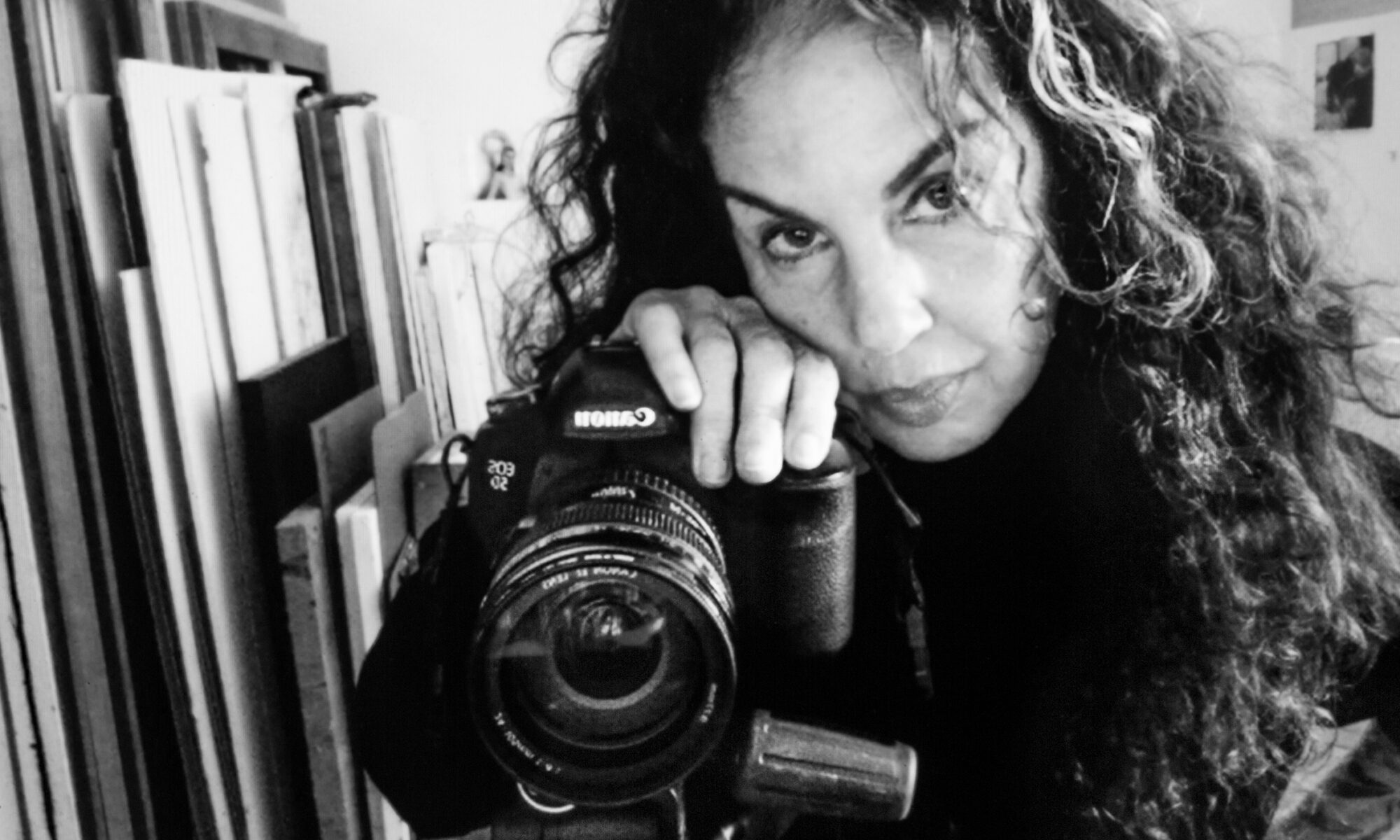
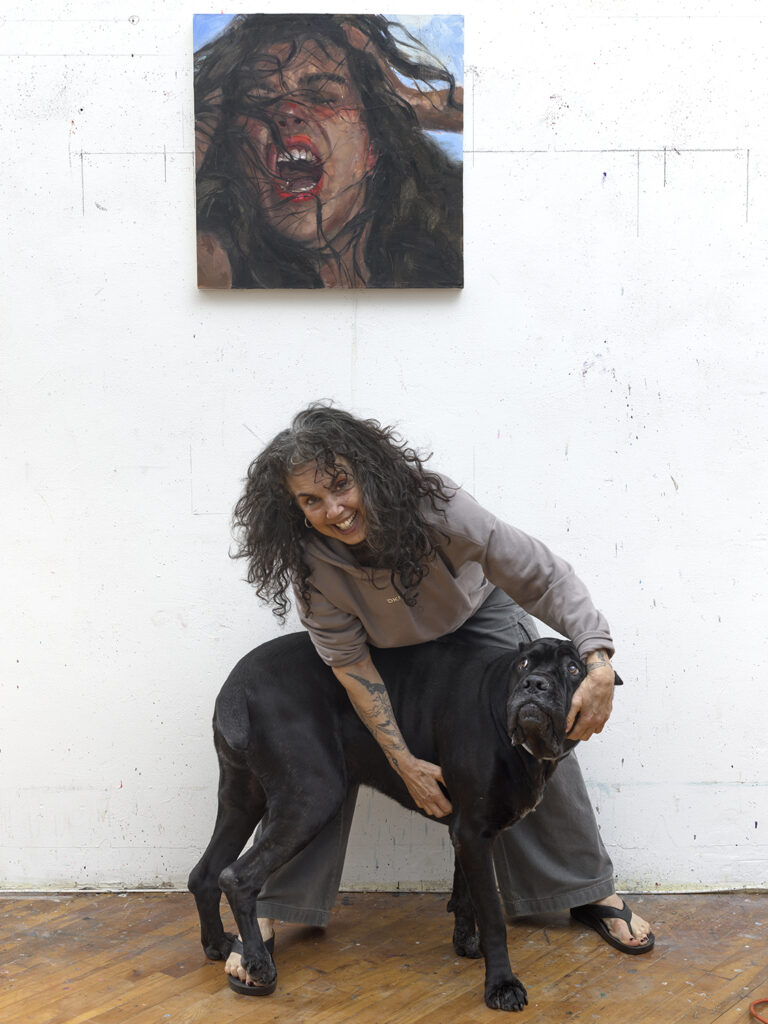
Grace Roselli’s Pandora’s BoxX Project began as something personal: a way to reconnect with a world of artists she’d drifted from while raising two daughters, much of it as a single mother. She started by photographing the few women artists she still knew; each led her to another, and the project grew by conversation and recommendation rather than plan. Nearly 360 portraits later — of artists alongside curators, writers, historians, educators, and museum directors — it had become a record of a community whose influence has rarely been seen whole. Roselli photographs each sitter in their own home or studio, in available light. She then lets them choose the final image, because the portrait isn’t finished until both of them recognize the person in it. Roselli discusses the project’s origins, her way of working, and what nearly 360 encounters revealed.
You’ve said Pandora’s BoxX Project began as a way to make art friends again, not as a grand archival project. At what point did you realize it had become something much bigger than that?
As a young artist, it was easy to meet people who shared my interests and became friends. But years later, after raising two daughters—much of that as a single mother—I realized how much my world had changed. My children were older and no longer depended on me in the same way. Around that time, I completed Naked Bike, a photographic series about the community of women motorcyclists I had come to know. When it ended, I realized I actually knew very few artists anymore.
I began photographing the handful of women artists I did know simply as a way to reconnect. Each person introduced me to someone else, and the project grew organically through conversation and recommendation rather than any predetermined plan.
By the time I photographed Pat Steir, I realized the portraits were beginning to describe something larger than the individuals themselves. I began including curators, writers, historians, museum directors, and other cultural practitioners because I came to understand that none of us exist in isolation. Our work is shaped by an ongoing exchange of ideas.
At some point, I stopped thinking of it as my project and started thinking of it as something I was responsible for. It had become a record of a community that, despite its enormous influence, has rarely been seen as a whole. I understood that I wasn’t simply making portraits; I was helping make visible a history that is still being written.
You photograph people where they live or work, using only available light. Why was it important to you to give up control over the conditions of the portrait?
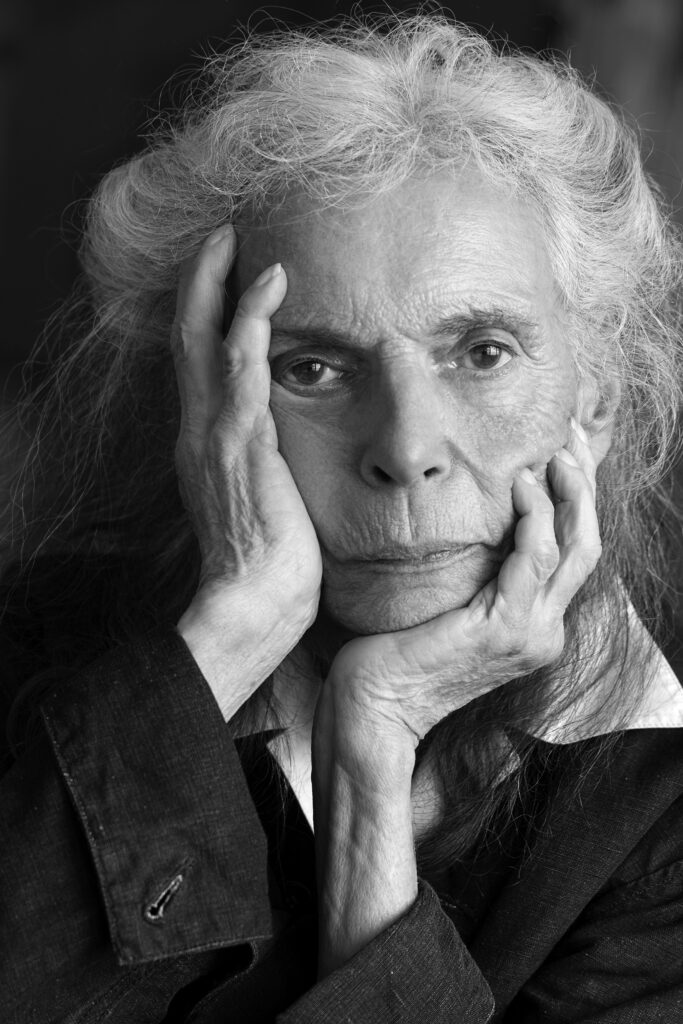
I didn’t want to dictate how I thought someone should look. My work has always evolved through direct encounter, responding to the unpredictability of the moment rather than trying to control it. I wanted to discover who someone was by showing up, spending time together, and having a conversation. The project isn’t about perfect lighting or an ideal image—it’s about the person.
I like walking into someone else’s world and discovering what I find there. Every home and every studio has its own atmosphere, rhythm, and history. Rather than imposing my own environment, I work within theirs.
We spend time talking before I ever pick up the camera, so by the time we begin photographing, we’ve already established a connection. I always make more photographs than I’ll ever need because I’m searching for the moment of recognition—the photograph that allows someone to look at themselves and say, “Yes, this is who I am.”
Is there one portrait or encounter from the project that has stayed with you in a way you didn’t expect — something that changed how you understood what you were building?
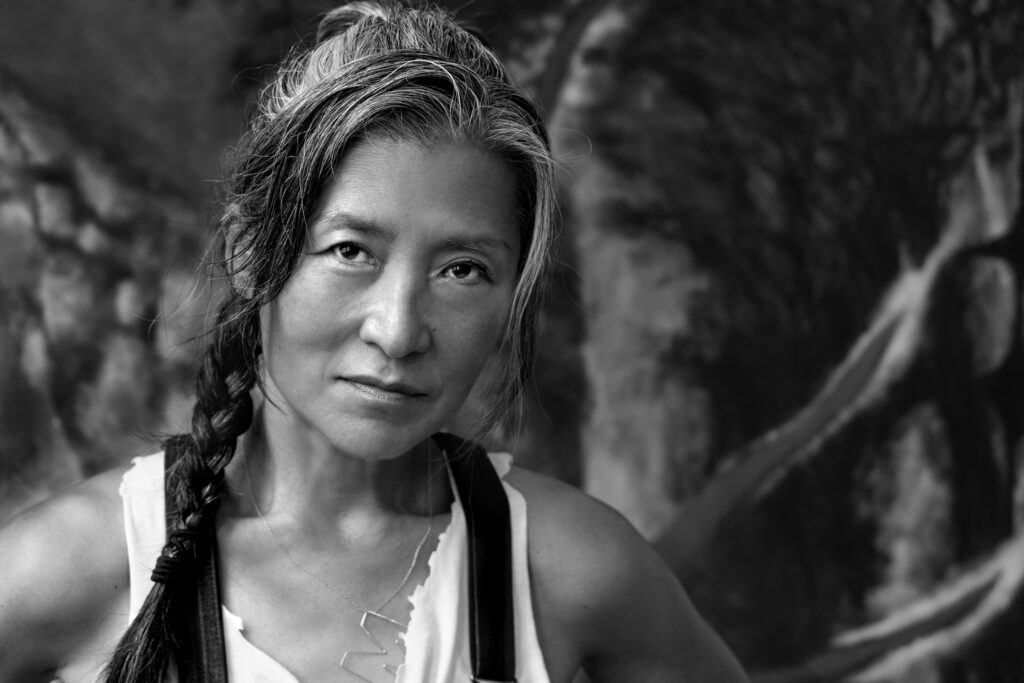
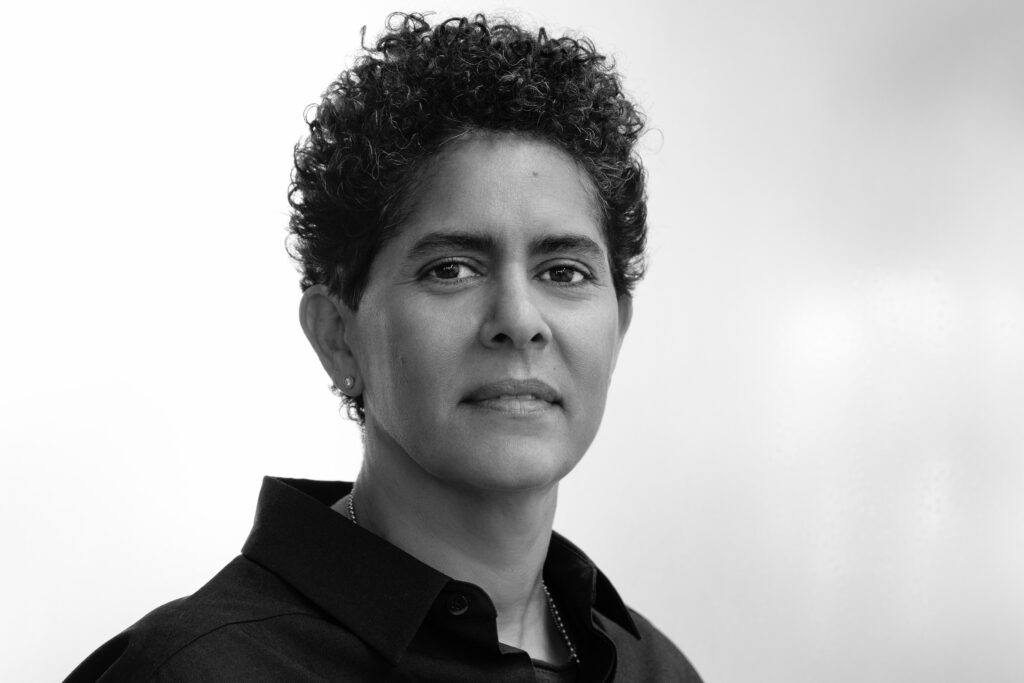
There wasn’t one defining portrait. It was the cumulative effect of hundreds of encounters that changed how I understood what I was building. Photographing nearly 360 women artists and cultural practitioners over many years made it impossible to think about art history as the achievement of a few exceptional individuals.
What the project revealed to me was the transformative force of numbers. Beginning in the 1960s and ’70s, enough women were able to sustain serious artistic lives at the same time that they began to reshape the culture. Photographing artists alongside curators, critics, writers, historians, educators, museum directors, and other cultural practitioners gave me a perspective I couldn’t have had through any single portrait. I began to see that cultural change isn’t created by artists alone. It depends on a larger ecosystem of people who recognize new work, develop the language to describe it, champion it, exhibit it, teach it, preserve it, and carry it forward.
What struck me most was the extraordinary diversity of those lives. Every path into art was different. Every practice developed through its own experiences, questions, and ways of seeing. There was no single narrative and no shared aesthetic. Yet it was precisely that diversity that became a collective force. Each person expanded the possibilities of what art could be, and together they fundamentally changed the culture—not by speaking with one voice, but by making hundreds of singular contributions that could finally be seen together.
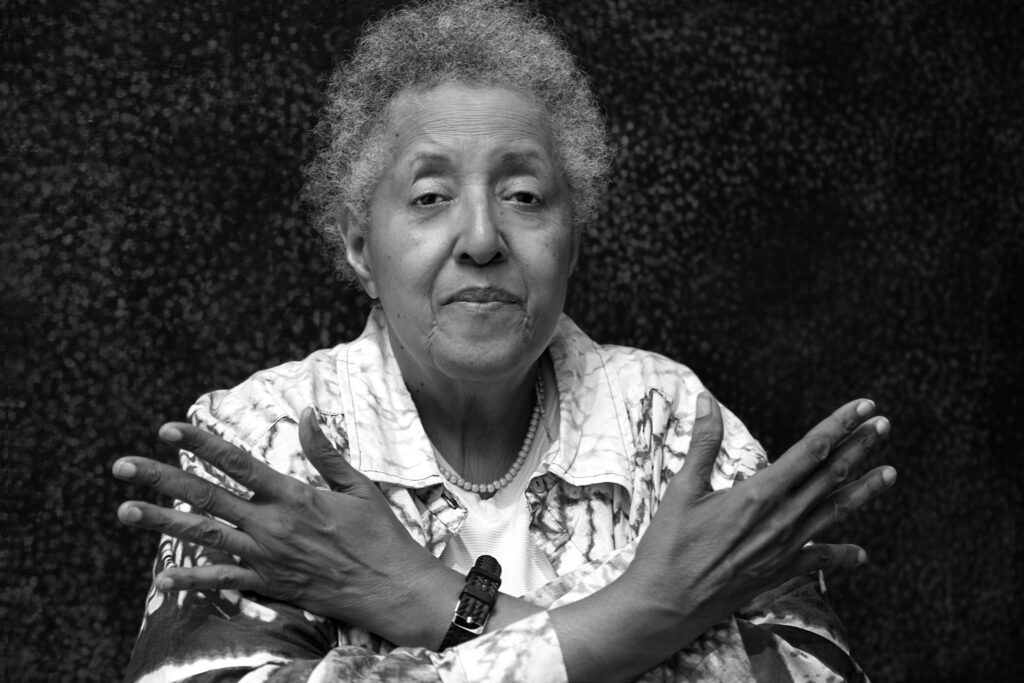
Letting each sitter choose their own image is a real departure from how portraiture usually works, where the photographer has final say. What made that decision non-negotiable for you?
This project is about expanding who gets to shape art history. It didn’t make sense to me that I would have the final say over how someone else is represented. After each session, I edit the photographs down to a small group of images, then invite the sitter to choose the one that feels most like themselves.
In my experience, people usually know when they’ve been truly seen. Their choice isn’t about vanity; it’s about recognition. Sometimes they choose the photograph I would have chosen, and sometimes they don’t. When they don’t, I’ve learned to trust that their choice often reveals something I hadn’t seen myself.
To me, the portrait isn’t complete until we both recognize the person in it. It begins with my way of seeing, but it isn’t finished until the sitter says, “Yes—that’s me.”
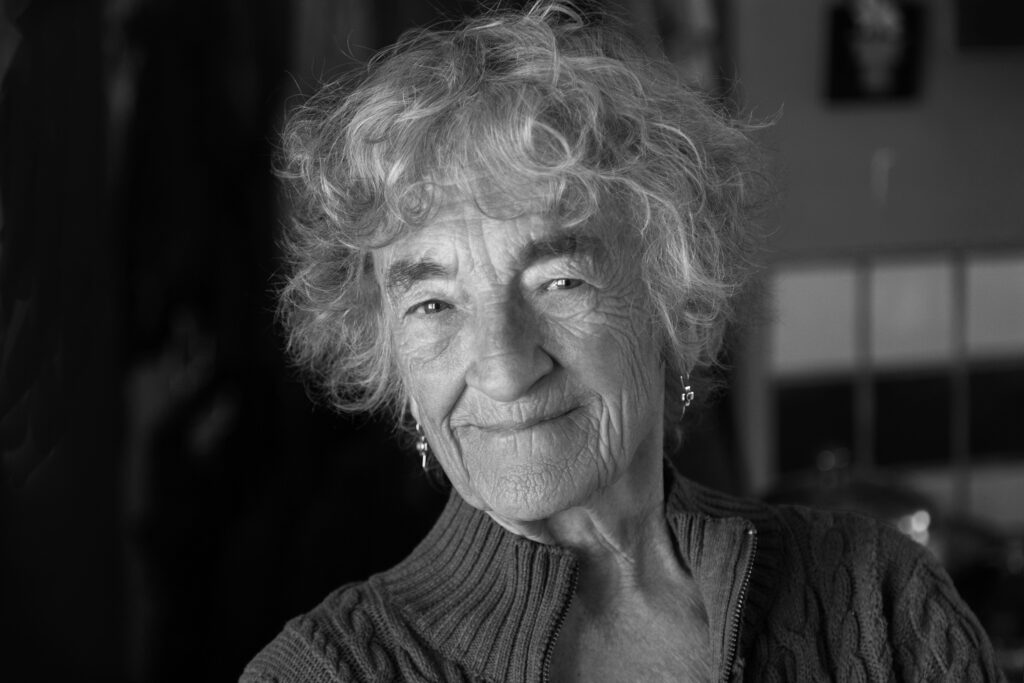
Seven years and 360 portraits is a long time to sustain a single project alone. Was there a moment you almost stopped, or a moment that made you sure you had to keep going?
It’s actually been almost 8 years at this point. There were plenty of moments when I wondered what I’d gotten myself into. The project was largely self-funded, incredibly time-consuming, and there was no guarantee anyone would ever see it. More than once I asked myself, Why am I doing this? I could have stopped at one hundred portraits—or two hundred—and most people probably would have thought it was enough. But it didn’t feel complete. My own sense of integrity wouldn’t let me stop.
At a certain point I realized there would never be a natural ending. There were thousands of women who could have been part of the project, so I had to create a boundary. I settled on 360 because I liked the idea of a circle—360 degrees.
What kept me going was, yes, a sense of responsibility to everyone who had entrusted me with their portrait. But I also knew, instinctively, that the work wasn’t finished. Like a painting, the project didn’t unfold in a straight line. It moved more like a spiral. At the beginning, I worked broadly. As the work developed, my understanding deepened, and every decision became more precise. Only when most of the picture had come into focus could I recognize what the work still needed. I couldn’t have known that at the beginning. I had to discover it by staying with the work.
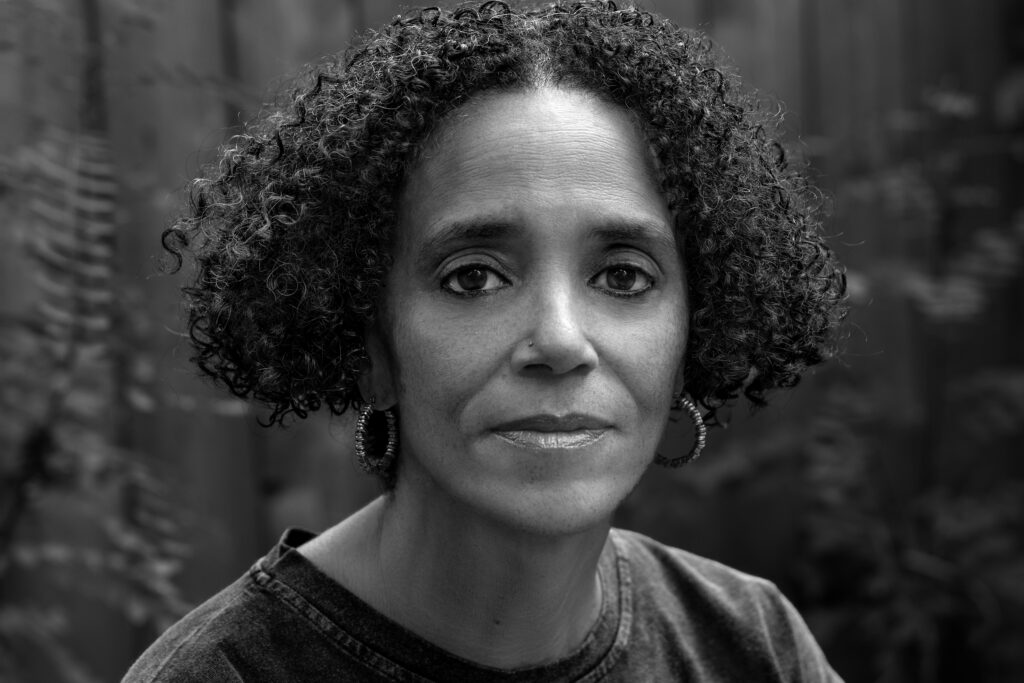
More than a third of your subjects are in their 80s and 90s, and some have already passed. How has photographing people at that stage of life changed how you think about the project’s purpose?
When I began the project, I wasn’t thinking in terms of legacy. I was thinking about connection. You meet someone, spend time together, and sometimes a friendship begins. Then, as the project unfolded, people started to die. That’s the cycle of life, but it’s still painful. We’ve all grown older together.
Many of the women I photographed were already in their eighties and nineties when we met, and several have since passed away. That changed the way I think about the project—not because death became its subject, but because time did. I wasn’t just photographing remarkable individuals; I was photographing a generation while it could still speak for itself.
During that same period, I also watched many of these women finally receive the recognition they had long deserved. It felt as though the culture was catching up with them just as their generation was beginning to leave us. This history is still being written.
The portraits span from the 1960s to now, across very different movements and moments in the art world. Did anything surprise you about how these generations relate to each other once you had them side by side?
What genuinely surprised me was not what these artists shared, but how much they differed. Different generations, backgrounds, aesthetics, and ways of working—and yet the connections kept appearing. Not because they agreed, but because the conversation continued across those differences. In the end, the lines that connect far outnumber the lines that divide.
Art history often presents generations as though one replaces another, but that wasn’t my experience. Again and again I heard artists talk about those who had influenced them, mentored them, and challenged them. Those relationships weren’t always simple or generous—there was competition, scarcity, and sometimes a reluctance to share what was already a very small pie—but the exchange was still there. For the older artists especially, there was a real awareness of time and a determination not to waste it.
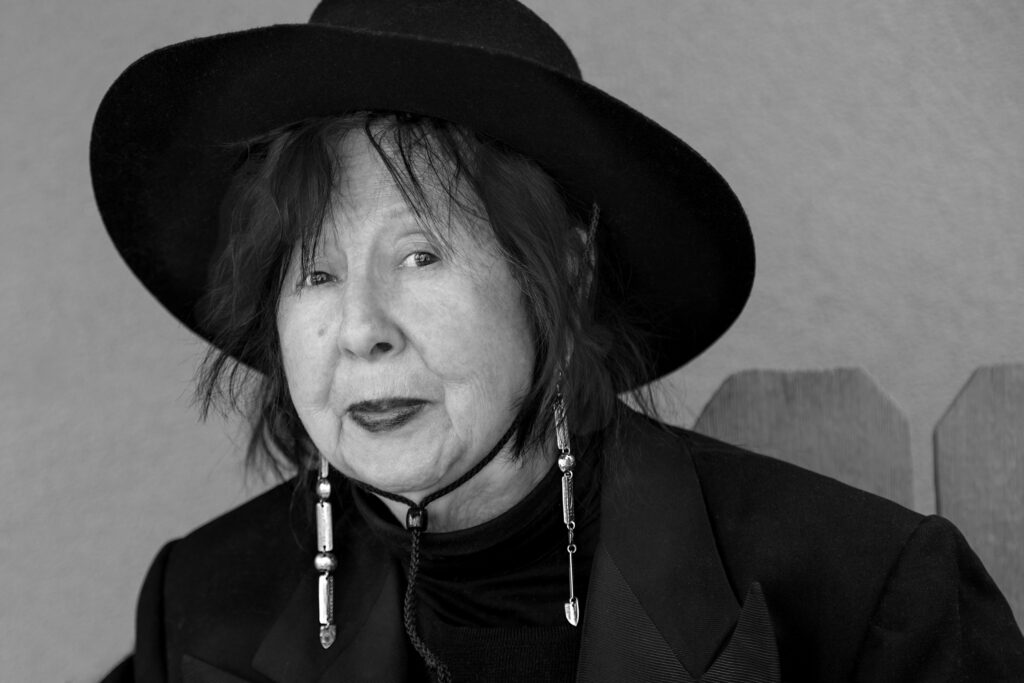
You call the project a way of asking who gets remembered and who holds the power to decide that. Has working on it changed your own thinking about your place in that history, as an artist with four decades of your own practice?
It’s not, “Will I be remembered?” so much as, “Who decides what gets remembered?” I began the project believing cultural memory was contested. What changed was my understanding of how fragile it is. Throughout the project, I met artists who had once been celebrated, then largely forgotten, only to see many of them finally receive the recognition they had long deserved. It made me realize that cultural memory isn’t fixed; it can shift dramatically within a single lifetime. I also came to see just how many people are required for a culture to remember itself.
I’ve been making art for more than forty years, and like many women artists, I’ve experienced how uneven visibility can be. But rather than making me anxious about my own place in history, the project has made me more focused on the work itself. I understand my own practice more clearly than I ever have, and that clarity has given me a greater sense of freedom.
The irony is that it has taken decades to arrive at that understanding, just as I’m becoming more aware that time is finite. Nothing is promised. Whether the work finds its place in history isn’t mine to decide. The work itself is the only thing I can be responsible for.
The project is heading toward becoming a book. What do you want someone encountering these portraits for the first time, with no context, to walk away understanding?
I hope readers come away understanding that history is not simply a record of remarkable individuals. Every artist carries traces of others—teachers, collaborators, assistants who became peers, friends, rivals, and those whose belief or challenge altered the course of their work. Seen together, these portraits reveal those otherwise invisible histories. No one arrives in this book alone.
These women are not merely witnesses to art history—they are its authors. But the book is not about elevating a select few. It is about revealing how culture is actually made, and reminding us that history is never fixed. It is continually reshaped by who gets to be seen, who gets to speak, what is remembered, and what is forgotten.
Above all, I hope the book encourages people to slow down and really look. Every portrait represents decades of making, questioning, failing, and persisting, whether or not that labor has been widely recognized. Taken together, these portraits remind us that remembering is not passive.
Make your tax-deductible donation today and help Art Spiel continue to thrive. DONATE
About the artist: Grace Roselli is an artist whose work investigates how identity, power, and cultural memory are constructed through the body, relationships, and lived experience. Working across painting, photography, installation, and socially engaged practice, she uses direct encounter as both method and material. A graduate of the Rhode Island School of Design, she studied with Emilio Vedova at the Accademia di Belle Arti di Venezia and attended the Skowhegan School of Painting and Sculpture. In 2018, she founded Pandora’s BoxX Project, an ongoing photographic portrait archive documenting 360 women artists, curators, writers, and cultural practitioners. Her work has received support from the New York State Council on the Arts, the Brooklyn Arts Council, the Barbara Deming Memorial Fund, the Puffin Foundation, and the New York Foundation for the Arts. She was also nominated for the Anonymous Was A Woman Award. @gracerosellistudio www.pandorasboxxproject.com
About the writer: Etty Yaniv is a Brooklyn-based artist, writer, curator, and founder of Art Spiel. She works in installation, painting, and mixed media, and has shown her art in exhibitions across the United States and abroad. Since 2018 she has published interviews and reviews through Art Spiel, often focusing on underrecognized voices and smaller venues. More about her art can be found at ettyyanivstudio.com and on Instagram @etty.yaniv