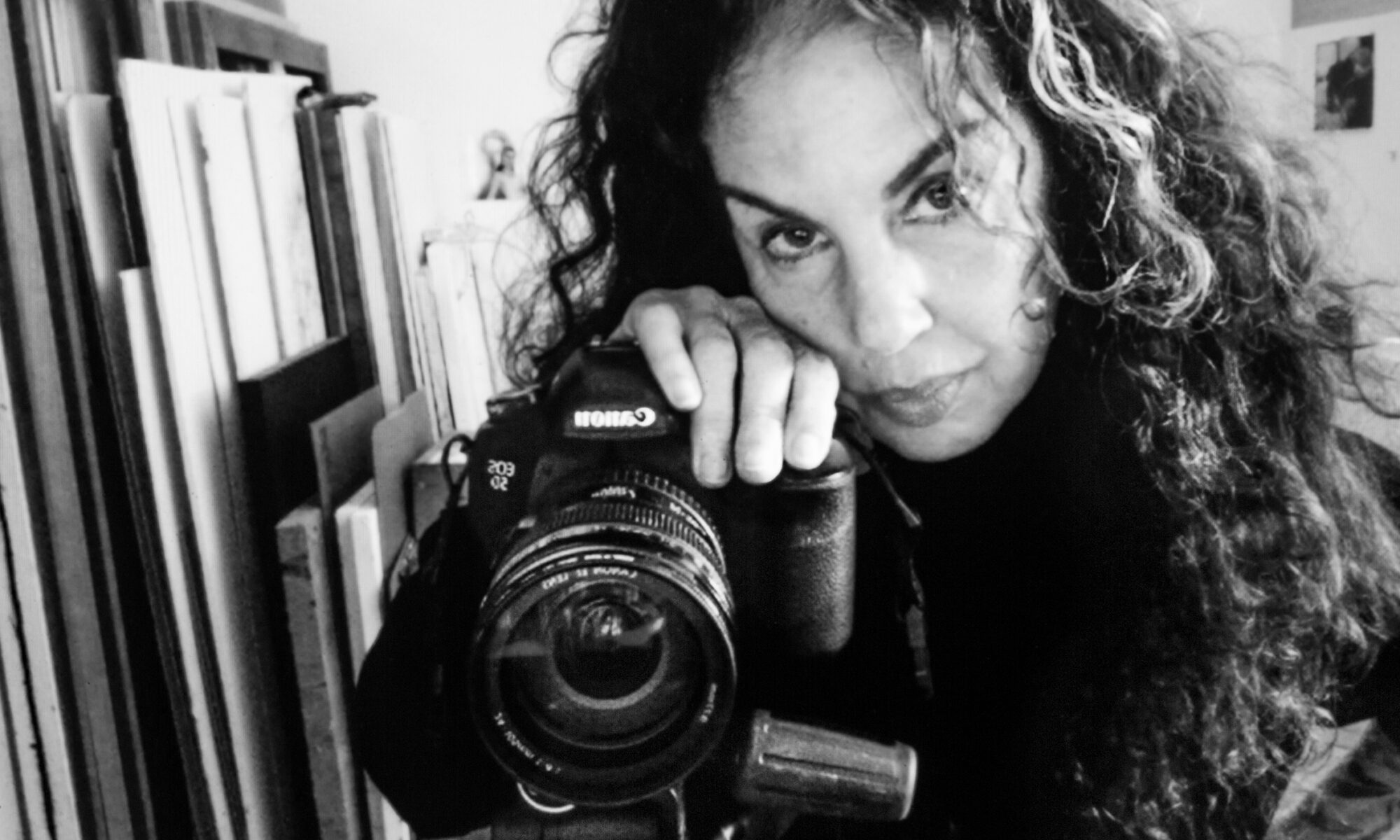
Grace Roselli’s Pandora’s BoxX Project began as something personal: a way to reconnect with a world of artists she’d drifted from while raising two daughters, much of it as a single mother. She started by photographing the few women artists she still knew; each led her to another, and the project grew by conversation and recommendation rather than plan. Nearly 360 portraits later — of artists alongside curators, writers, historians, educators, and museum directors — it had become a record of a community whose influence has rarely been seen whole. Roselli photographs each sitter in their own home or studio, in available light. She then lets them choose the final image, because the portrait isn’t finished until both of them recognize the person in it. Roselli discusses the project’s origins, her way of working, and what nearly 360 encounters revealed.
Continue reading “The Pandora’s BoxX Project: Grace Roselli”The Pandora’s BoxX Project: Grace Roselli