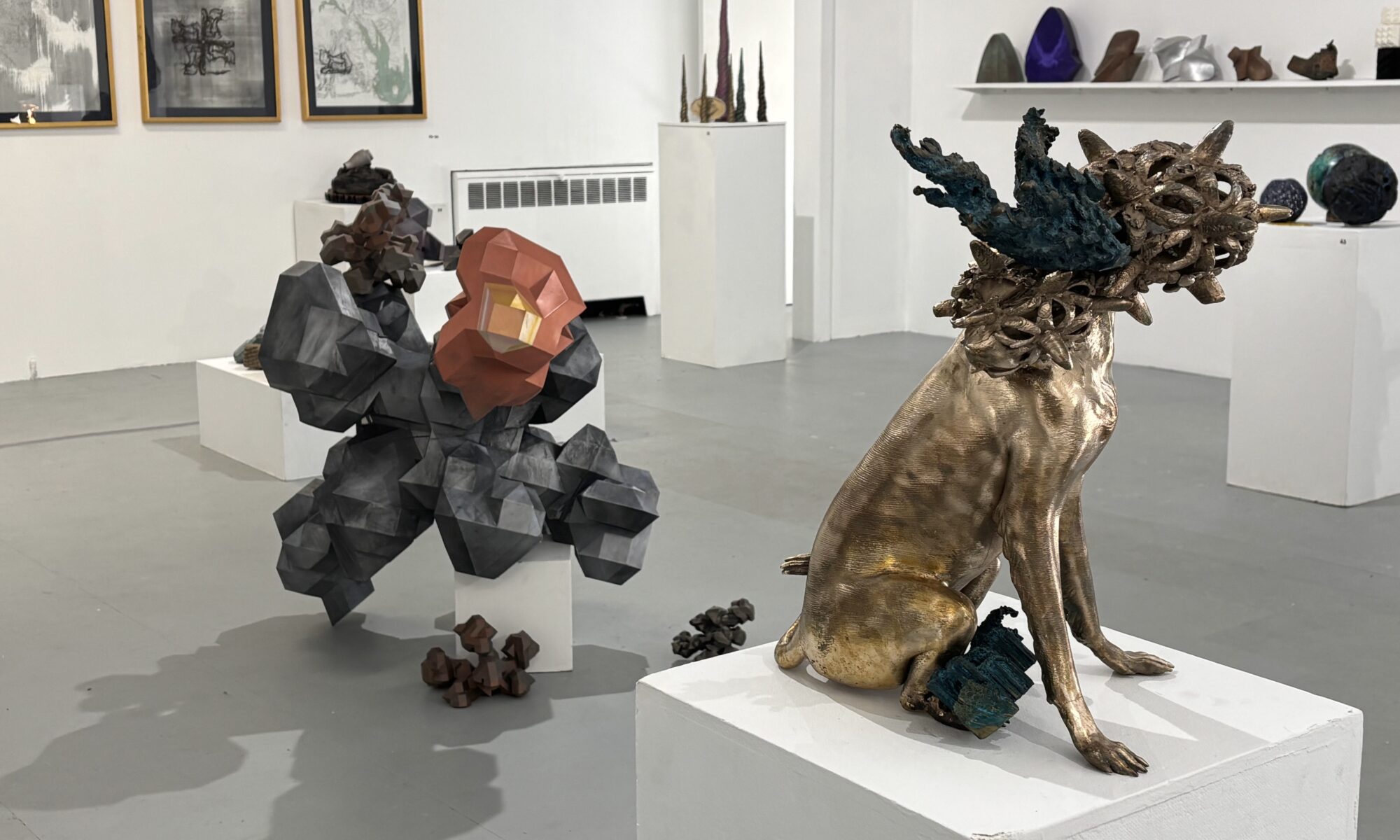
“Best by 07/21/2026” at Eli Klein Gallery
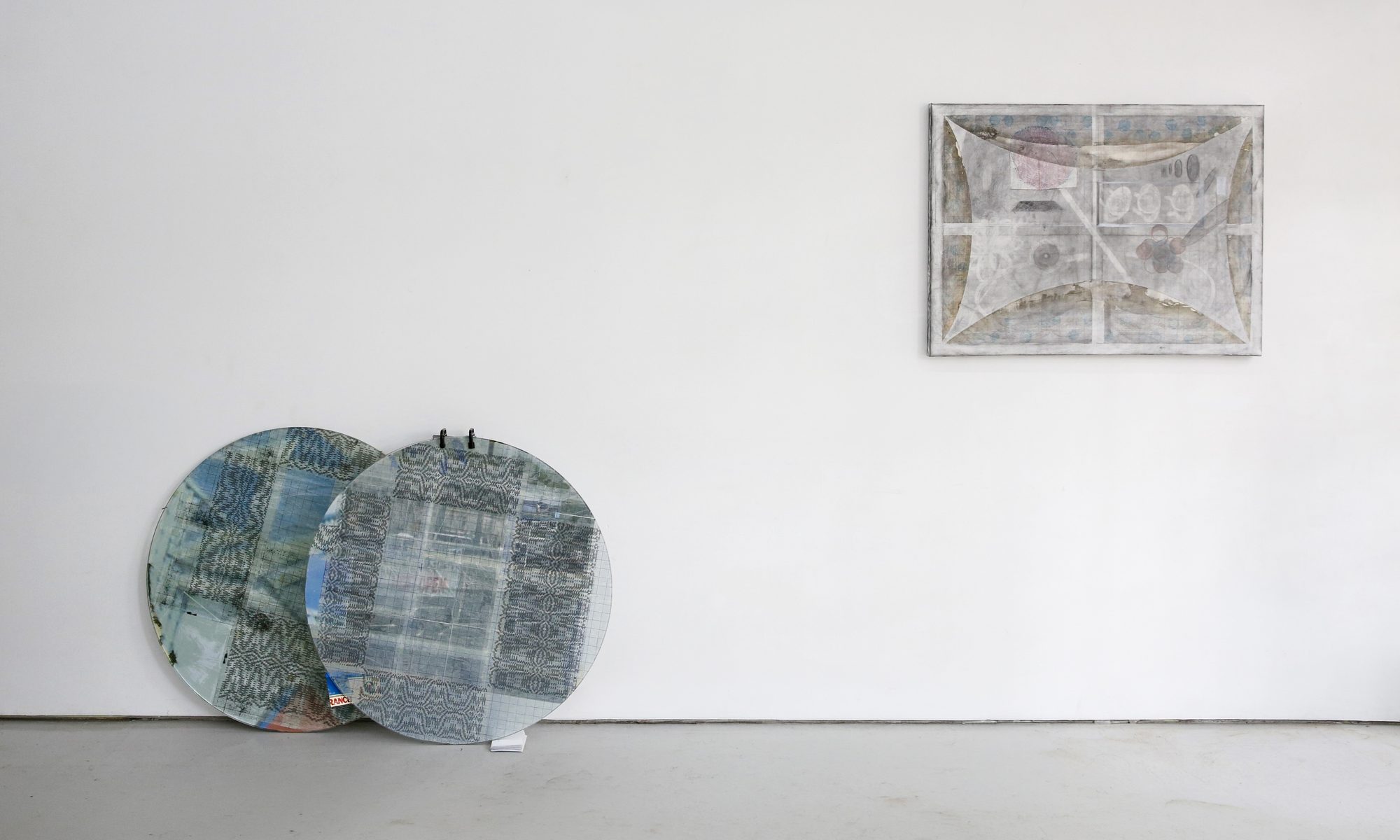
Installation view of "Best by 07/21/2026" at Eli Klein Gallery

For artists Clare Hu, Tianyi Sun, and Shaan Ken Rao, their residency-then-exhibition is already well past its expiration date. Entering the group show Best by 07/21/2026 may feel more like intruding on a gallery’s installation or deinstallation than attending its finished presentation. Moving blankets are spread across the walking path, with splashes of white paint visible on the quilted fabric. Glass tables lean on white walls. Enter the back room, and you may trip over one of many sandbags, or duck your head under the arm of a swinging C-stand. 

Continue reading ““Best by 07/21/2026” at Eli Klein Gallery”

Meet at the Ferris Wheel: Kathleen Beausoleil’s Plein Air Paintings Combine Psychology and Light

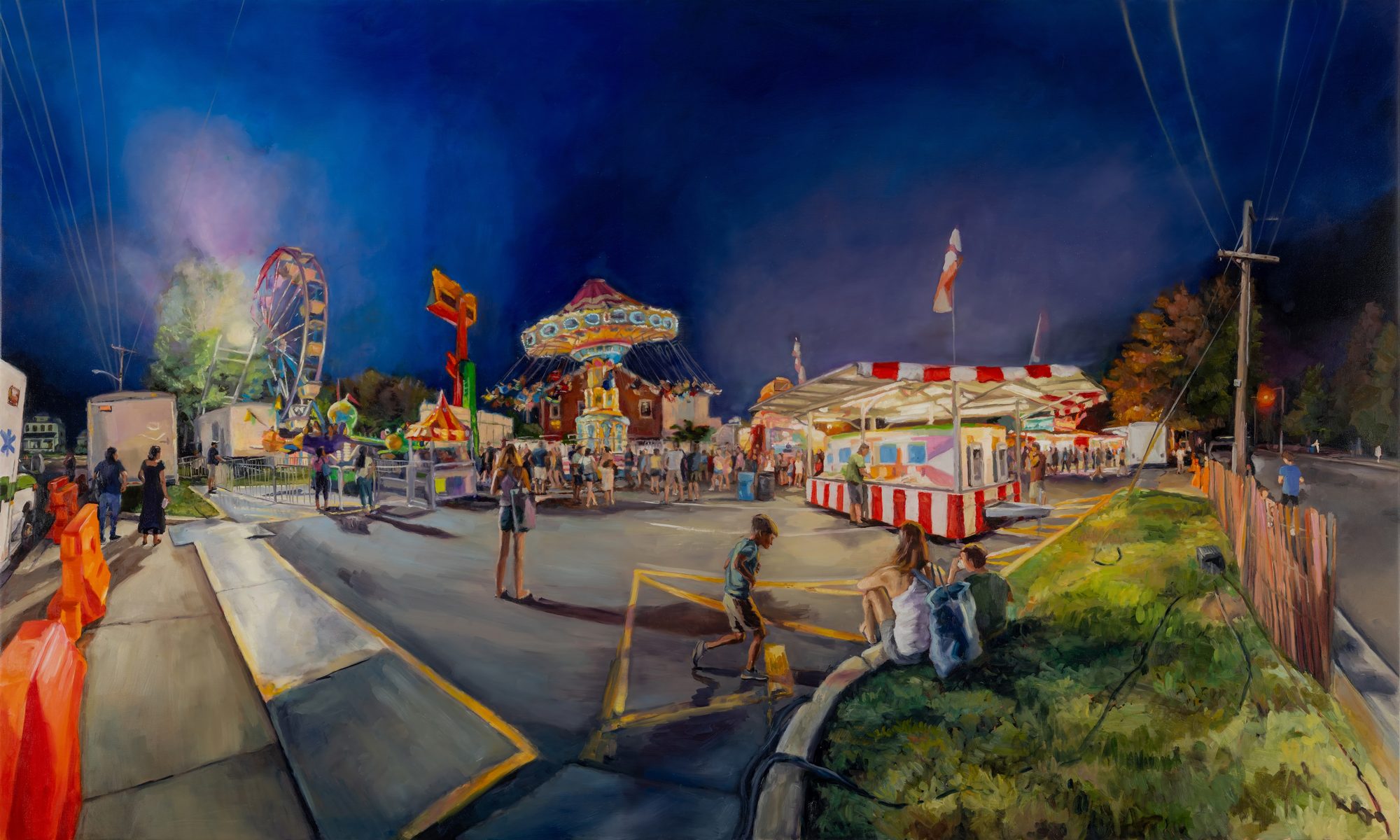
Kathleen Beausoleil, Midway Meeting

Painter Kathleen Beausoleil is enamored by her backyard, literally. The fair grounds and beaches that are synonymous to her home state, New Jersey, form her primary subjects. Visiting local fairgrounds each summer, she paints plein air, out in the open, and on view in her latest solo show at The Painting Center are works that beautifully capture the light, vibrancy, and togetherness of these places. After speaking with the artist, I understand that Beausoleil’s scenes are not only advanced in their painterly technique, but created through perspectives cleverly scaffolded by sociological terms around gathering and group behaviour.

Continue reading “Meet at the Ferris Wheel: Kathleen Beausoleil’s Plein Air Paintings Combine Psychology and Light”

Paul Fägerskiöld’s Expanding Fields

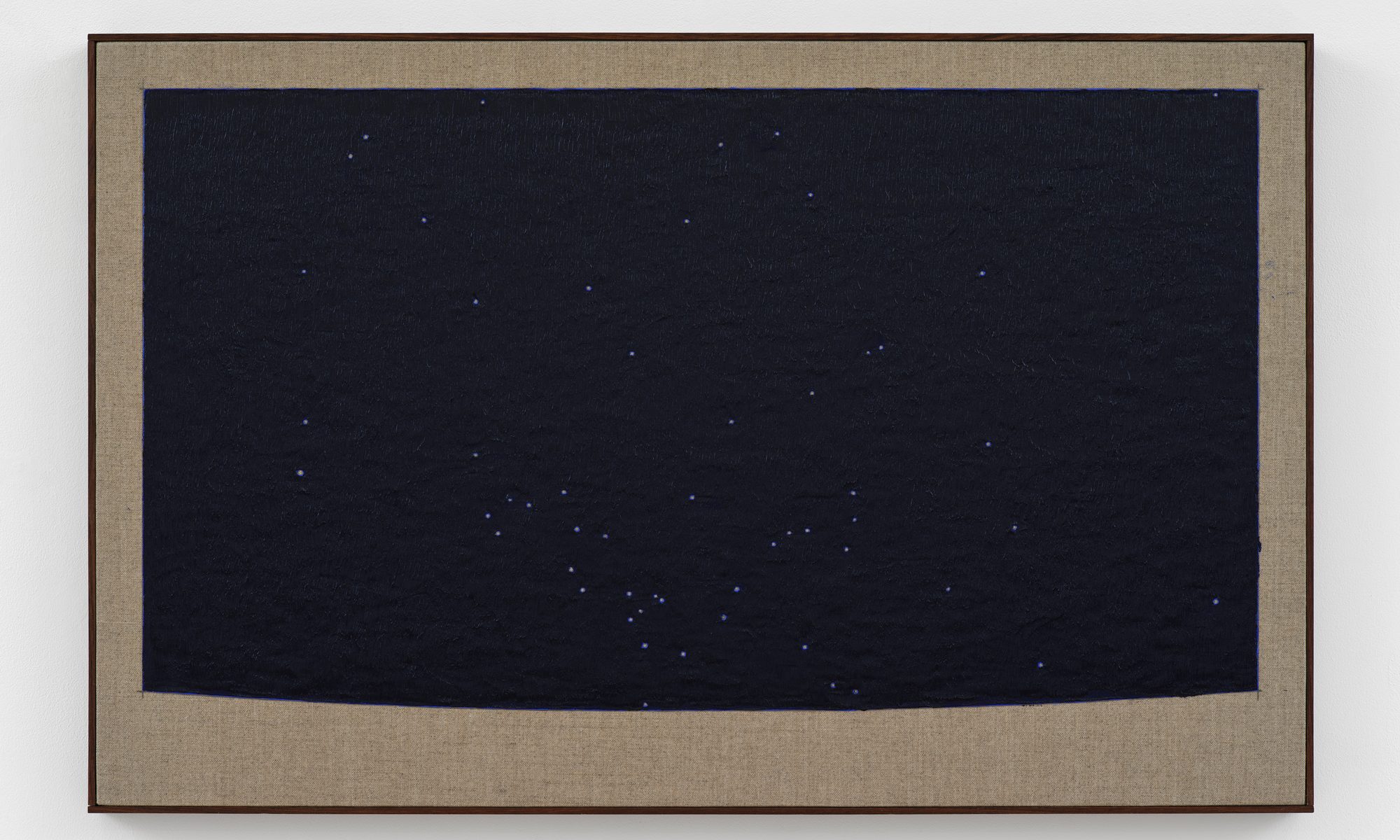
Paul Fägerskiöld, New York. July 1, 3586. View south towards the black hole Gaia BH1 (1,560 light years).

The first painting in Paul Fägerskiöld’s solo exhibition Ergosphere, at Peter Blum Gallery, offers a modest entrance into an immeasurable subject. A small, dark blue field scattered with points of light initially suggests what could be an image taken by NASA of deep space. Its title establishes an improbably precise appointment: New York. July 1, 3586. View south towards the black hole Gaia BH1 (1,560 light-years). We have a location, a direction, and a date. Whether these coordinates help us find our bearings is another matter.

Continue reading “Paul Fägerskiöld’s Expanding Fields”

No Ideas but in Things: Jim Condron and Dean Kessman at MONO PRACTICE

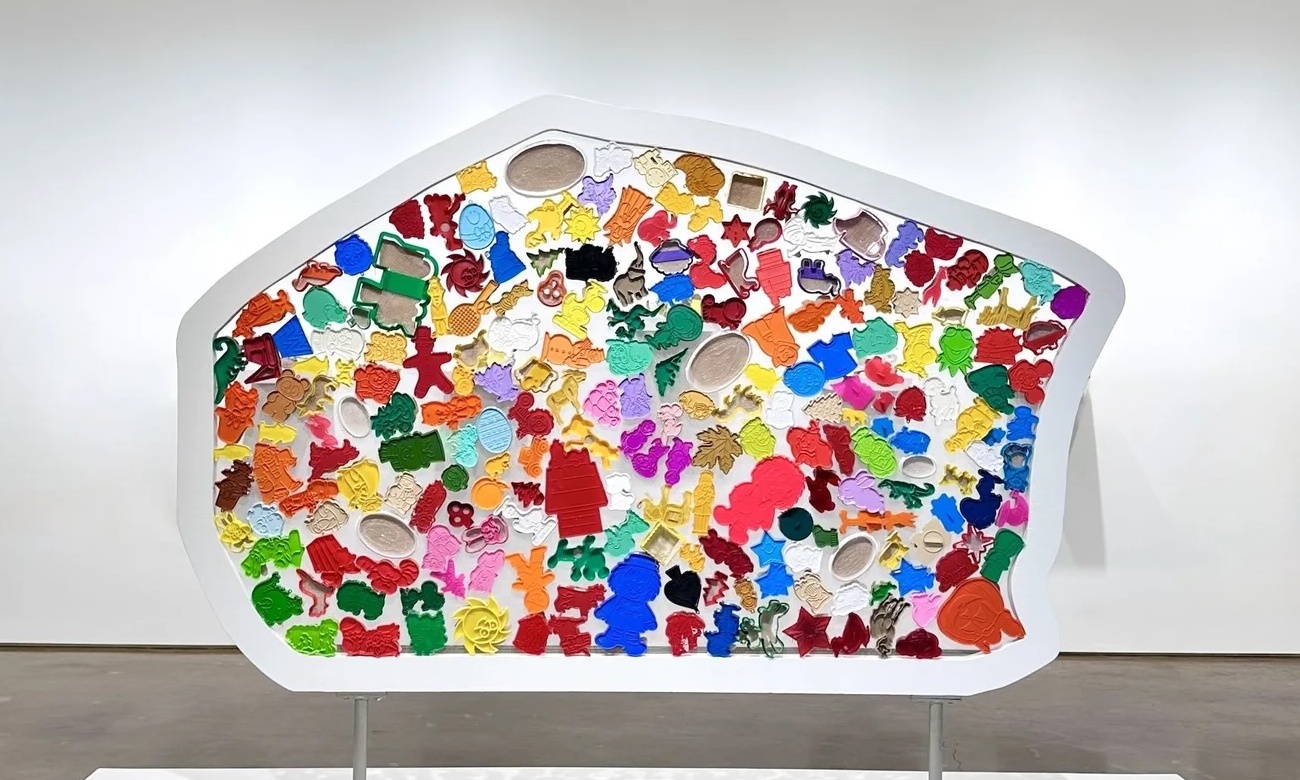
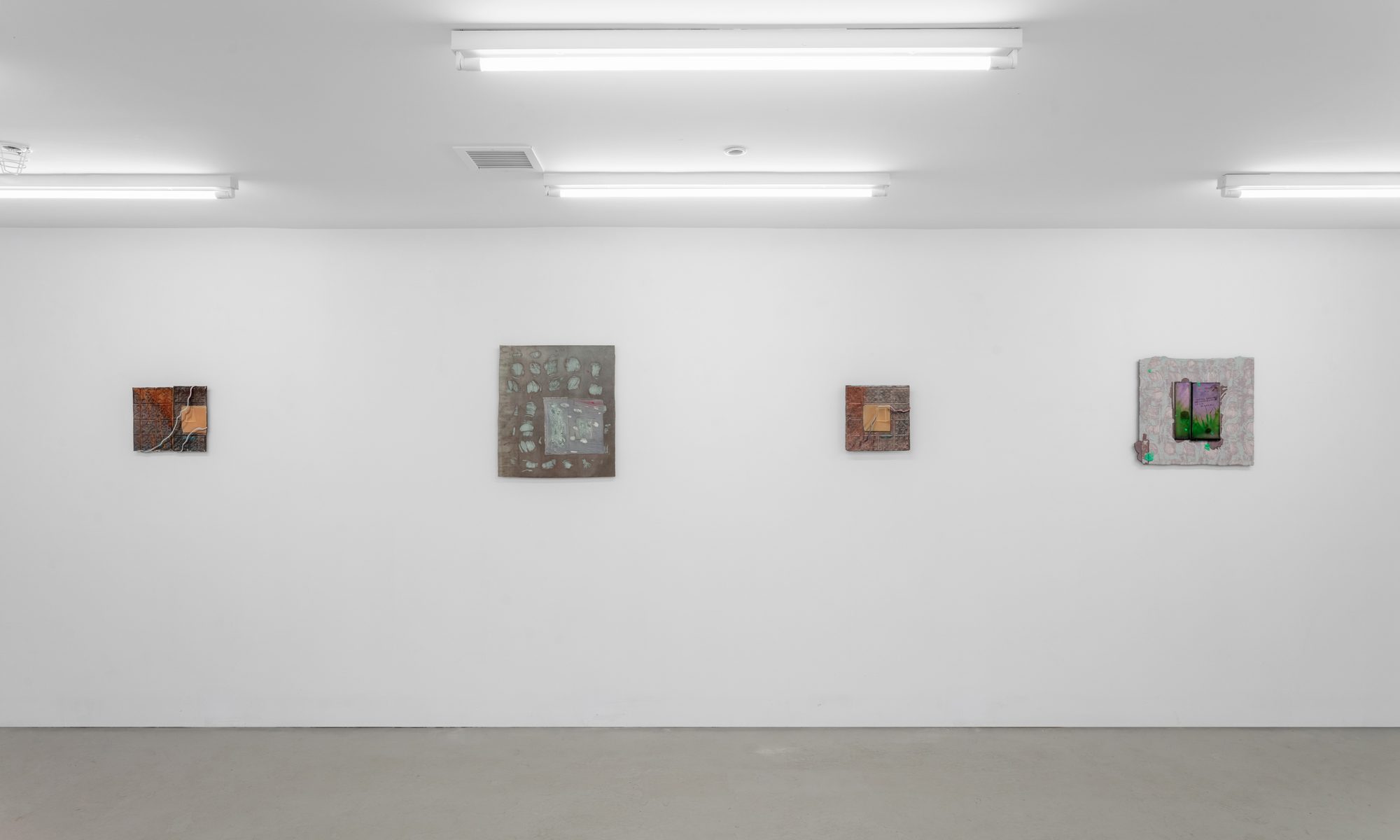
Jim Condron, It was like daylight under the fluorescent trays of light

Looking at Condron and Kessman’s MONO PRACTICE exhibition, I’m struck by the aura their pieces exude. Both make work using found materials, and both represent/re-present those materials in ways that push them close, but not past, the point of recognizability. The “things” of this exhibition have been abstracted and estranged but not transcended. They exist in a liminal moment, when the subject recedes, and the idea begins to shape itself. However, the objects persist in being objects. 

Continue reading “No Ideas but in Things: Jim Condron and Dean Kessman at MONO PRACTICE”

James Esber’s, My Thing, Your Thing, and the Thing Itself

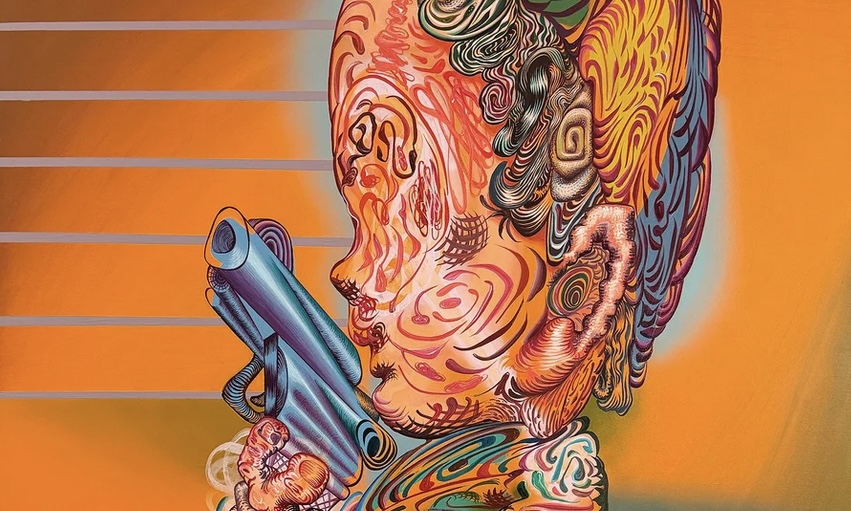
James Esber, Toy Pistol

James Esber’s paintings are inherently punchy, with a bold, fluoro-pop palette and active surfaces. In My Thing, Your Thing, and the Thing Itself at Satchel Projects, it is compounded by the intimate quarters as well as the scale of the works, most roughly the size of the average viewer. One can pivot in place and take in the entire exhibit with a quick rotation that may trigger a rush of associations, from Hairy Who Chicago to Ed Roth “Weirdo,” et al. It can take a moment to pause, regard each work in turn, and register the artist’s point of view.

Continue reading “James Esber’s, My Thing, Your Thing, and the Thing Itself”

Two Shows in Dialogue: A Conversation with Tatyana Kazakova and Anna Shukeylo

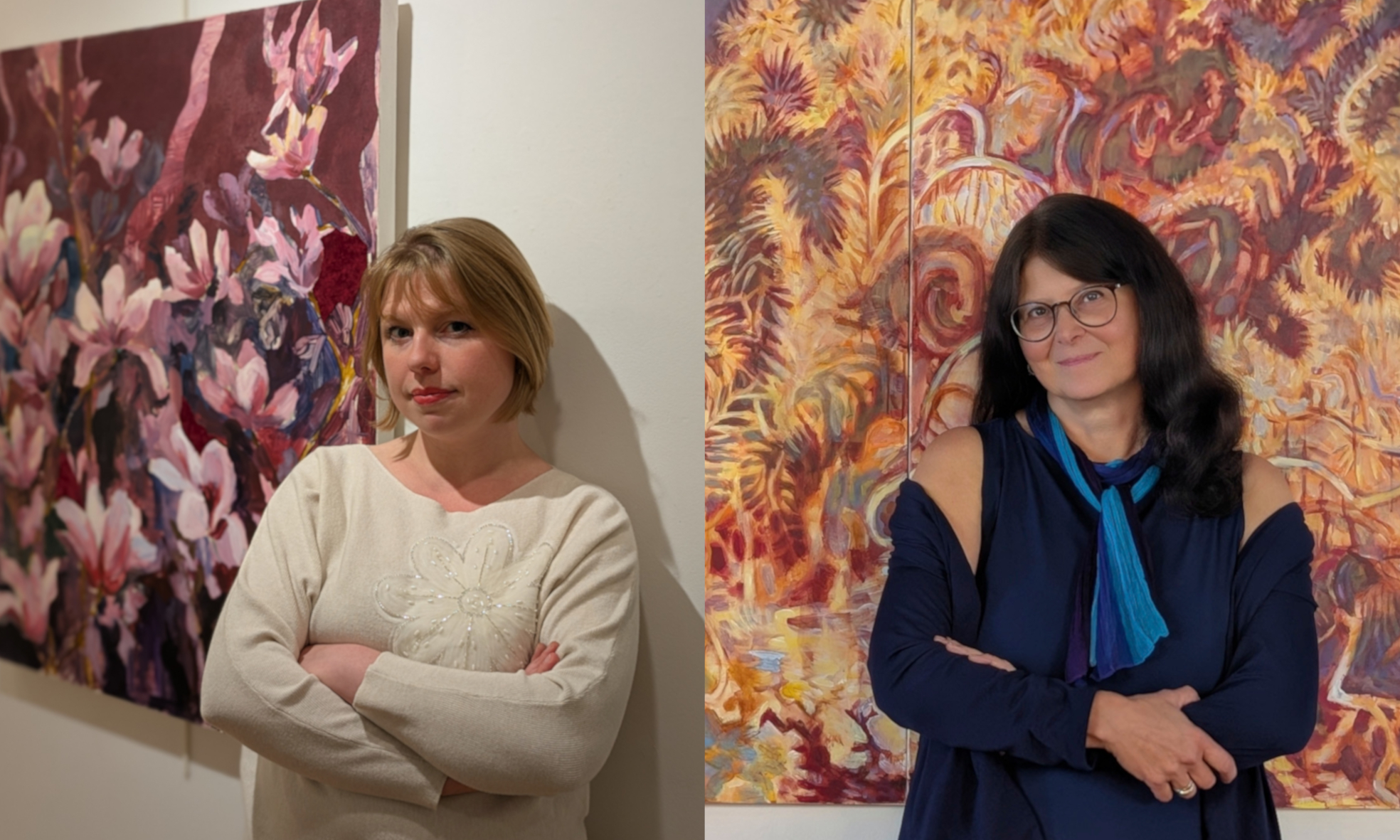
Tatyana Kazakova and Anna Shukeylo

New Jersey’s Watchung Arts Center brings together two distinct solo exhibitions: Entropic Flora by Anna Shukeylo and Symphony for the Unnoticed by Tatyana Kazakova. Both artists weave between abstraction and realism to create intimate portraits of nature, but their styles and vantage points diverge in dynamic ways. Kazakova fills the sprawling upstairs gallery with large drawings and paintings that pack the space with thickets, foliage, and tangled old growth, inviting viewers to contemplate the boundaries between wild spaces. In the lower gallery, Shukeylo’s compositions erupt with vibrant gestural brushmarks that capture fleeting moments of blooming flowers at their peak splendor. In this conversation, Kazakova and Shukeylo discuss their work, studio practices, and thematic vantage points, revealing the very different paths they take to create their images of nature.

Continue reading “Two Shows in Dialogue: A Conversation with Tatyana Kazakova and Anna Shukeylo”

Call Mom: Olive Ayhens and Ezra Johnson at Bookstein Projects

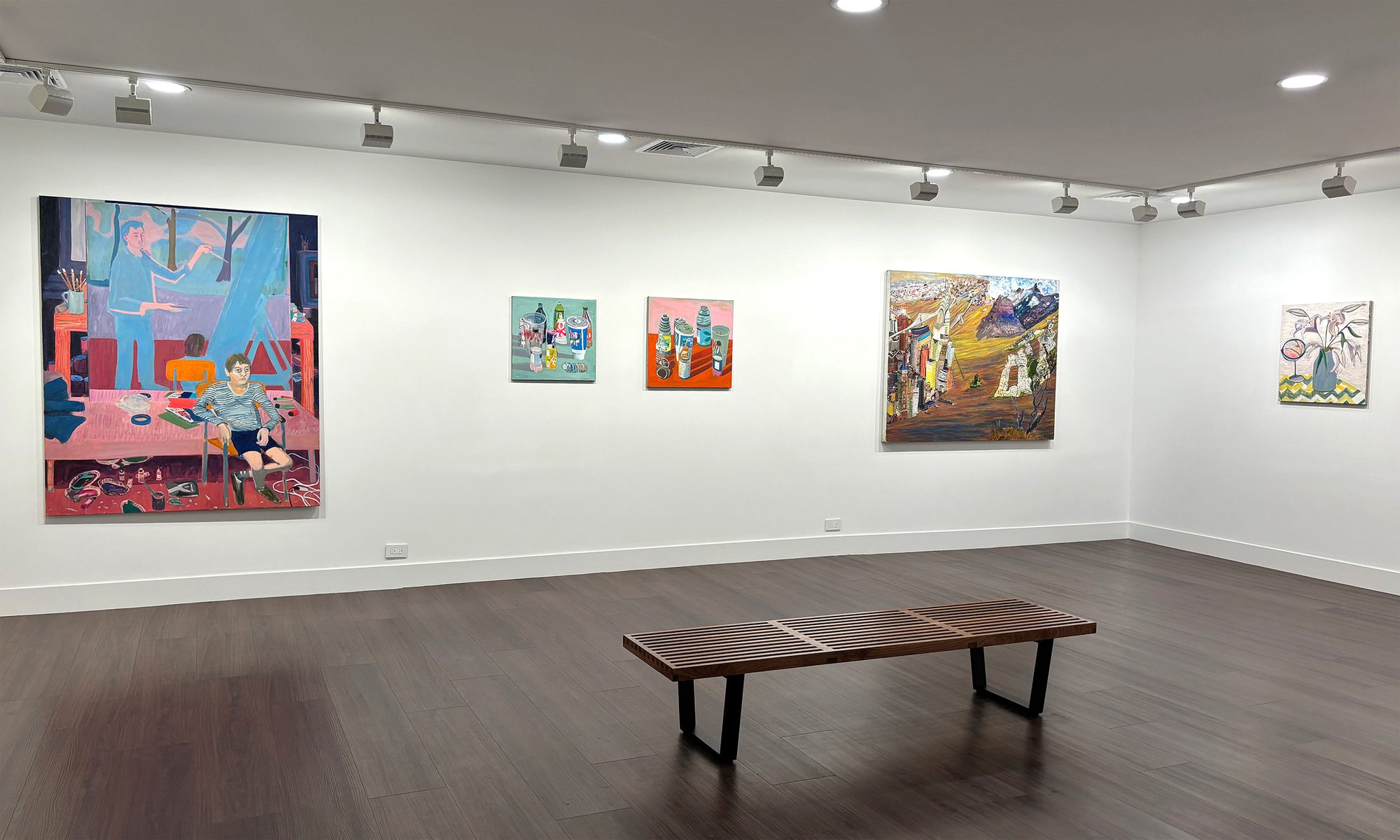
Olive Ayhens and Ezra Johnson, installation view at Bookstein Projects

Pairing artists with assorted bodies of work spanning over a decade is not an easy task. In the current two-person exhibition at Bookstein Projects, it helps that each artist, regardless of subject matter, has a distinct approach to color and composition. And then, there is a story. Call Mom features paintings on canvas and paper by mother and son Olive Ayhens and Ezra Johnson. The family tie is a good cue for the curator and for us. Yet it may be more interesting to set aside the biography for a moment and, as you enter, experience the vibrant visual dialogue unfolding between two painters.

Continue reading “Call Mom: Olive Ayhens and Ezra Johnson at Bookstein Projects”

Beautifully Fall Apart

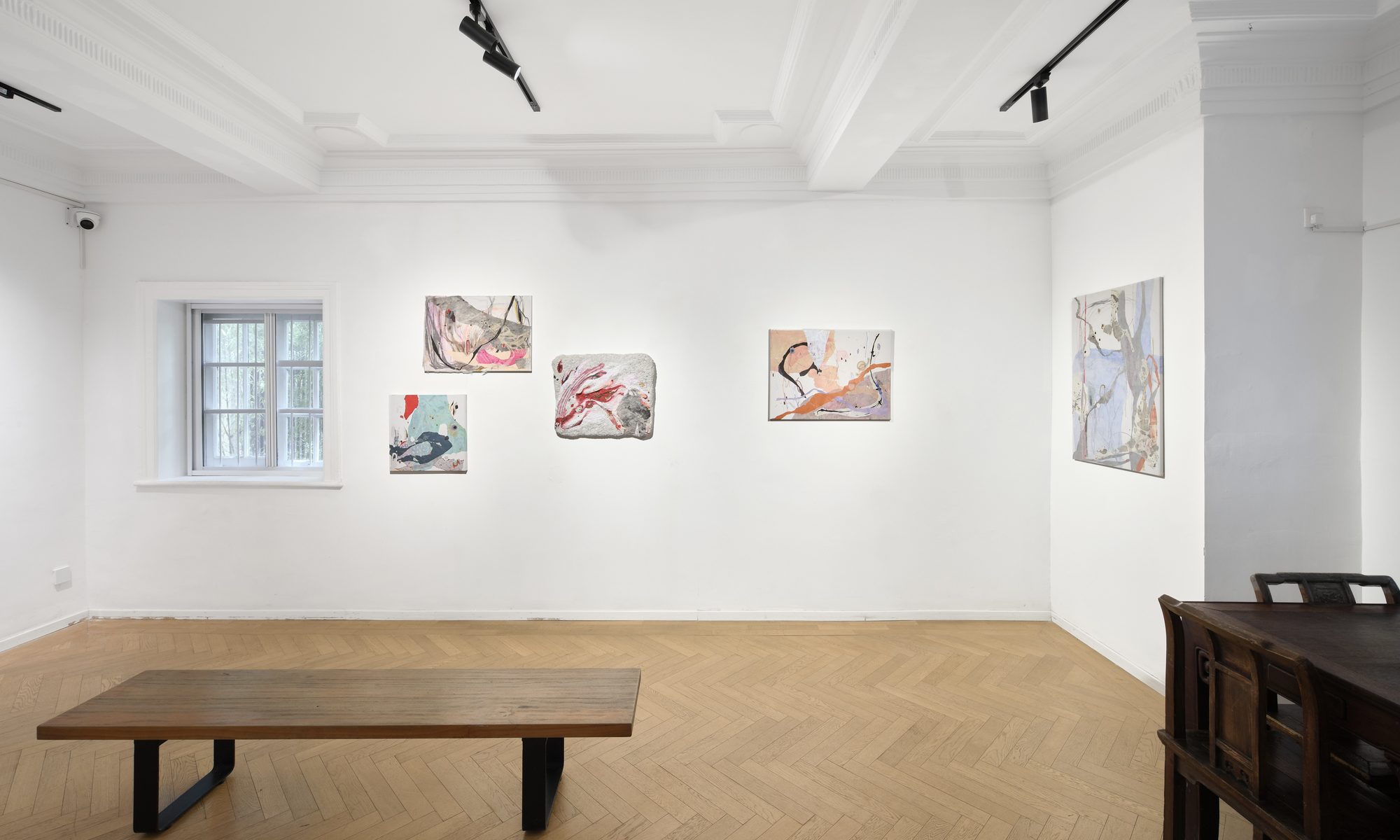
Installation view of After Throwing, featuring works by Yuqian He.

Women constantly fall, from rule, from discourse, from childbirth, from ecstasy, from sacrifice, from love, from anguish. We are still in the place of repeatedly coalescing to regain voice and visibility across political, economic, pedagogical, and creative fields. Comprehending it through cultural theorist and sociologist Angela McRobbie, we see that women are made to bear greater precarity, conditioned by institutions, by discourse, by an economy that asks for passion in place of pay; entering the creative fields comes with a demand to be self-managing, enterprising and unquestioningly cheerful about it. Women might be naturally leading the creative sector but meanwhile, fall heavily onto body, conditions and time, carrying its costs behind the facade of the neoliberal art industry.

Continue reading “Beautifully Fall Apart”

When Pixels Grow Skin

Ziyi Zhang, Installation view of PIXEL//FLESH

Our generation’s idea of “skin” is increasingly formed on screens. Smartphone cameras automatically brighten skin tones, filters smooth pores, and editing software erases wrinkles while manufacturing new forms of gloss and texture. At first, these technologies seemed merely to modify images of the body: skin existed first in the physical world and was then captured and processed by the camera. Gradually, however, this sequence has been reversed. Technologically processed skin has begun to function as a new visual standard, while unedited skin can appear rough, incomplete, or somehow insufficient. It is a subtle shift: the body once entered the image, but now the image increasingly seems to redefine the body.

Continue reading “When Pixels Grow Skin”

Searching for the Philosopher’s Stone: Paul Higham’s Data Sculpture

Paul Higham, Installation view of Data Sculpture

In the gallery at Eberle Studios in Homestead, Pittsburgh, we find ourselves transported to the workshop of a modern-day alchemist, Paul Higham, who has been experimenting with the digital creation and manipulation of form for almost fifty years. This is a space in which D’Arcy Wentworth Thompson (author of On Growth and Form) would be ecstatic, for everything flows teleologically through space and time: the flight pattern of a fly (Descartes Fly) intersects with the growth of a tobacco plant virus, and the Nike of Samothrace overlaps with segments of the program code for the video game Call of Duty.

Continue reading “Searching for the Philosopher’s Stone: Paul Higham’s Data Sculpture”