Rebecca Morgan at Asya Geisberg Gallery: Traversing the Apocalypse 
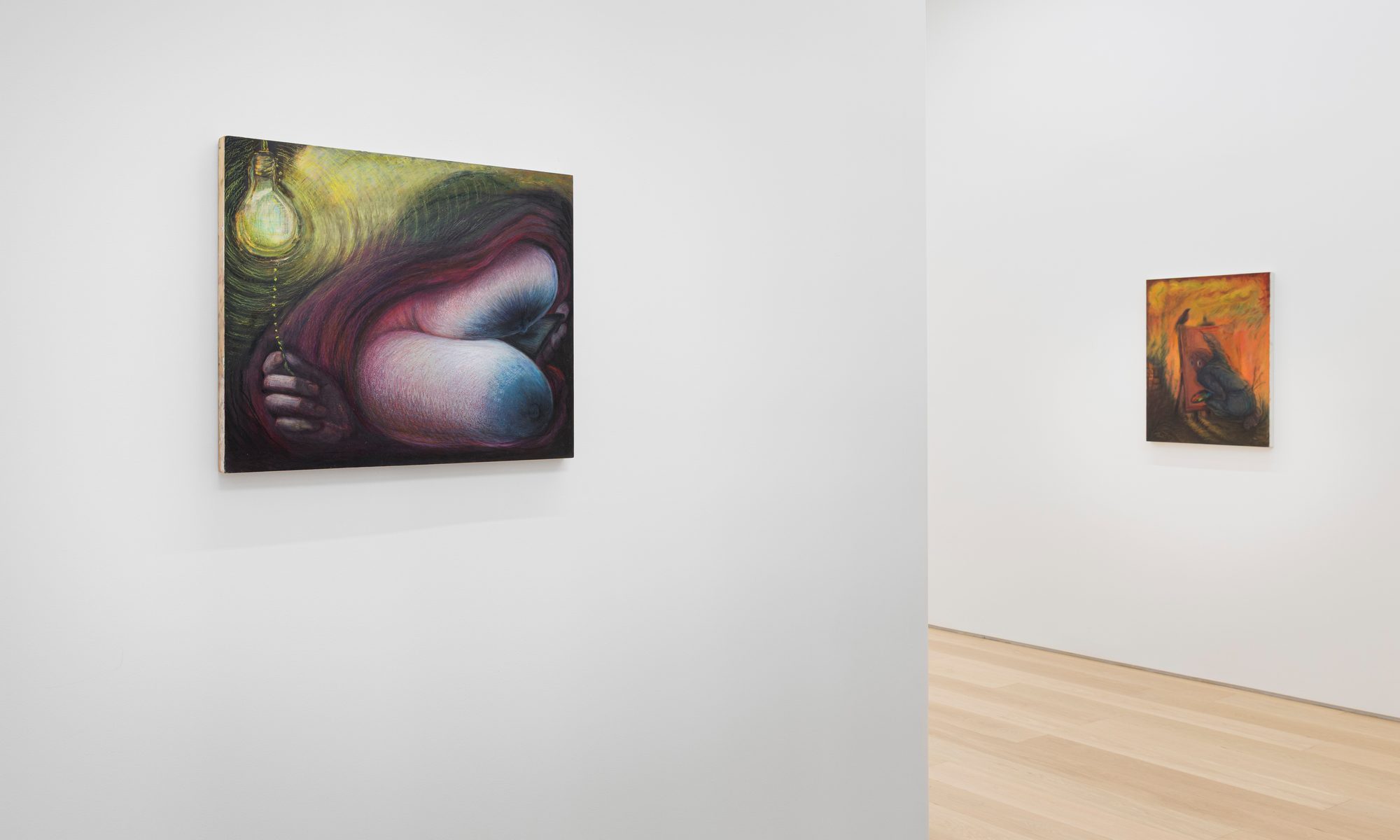
Painting in the Age of Apocalyps

Rebecca Morgan’s exhibition Painting in the Age of Apocalypse is a bit of a roadmap for viewers. Morgan tackles the question of how to present images in the face of a raging political landscape,  how to keep moving forward, and how to maintain oneself and some humor about it all. And most importantly to me, how to open up one’s painting style and allow both the work and the process to support you through this tumultuous and often unbelievable terrain we may find ourselves within. In this exhibition, Morgan engages potent themes from all her eras: sympathy for her rural background, feminist reappraisal of art history, and an unbridled excitement at infusing humor and technical prowess into her critique. Here, Morgan fuses all of these themes well, all the while showing us a fresh, looser style of painting that captures the frenetic energy of the moment. 

Continue reading “Rebecca Morgan at Asya Geisberg Gallery: Traversing the Apocalypse “
The Pandora’s BoxX Project: Grace Roselli

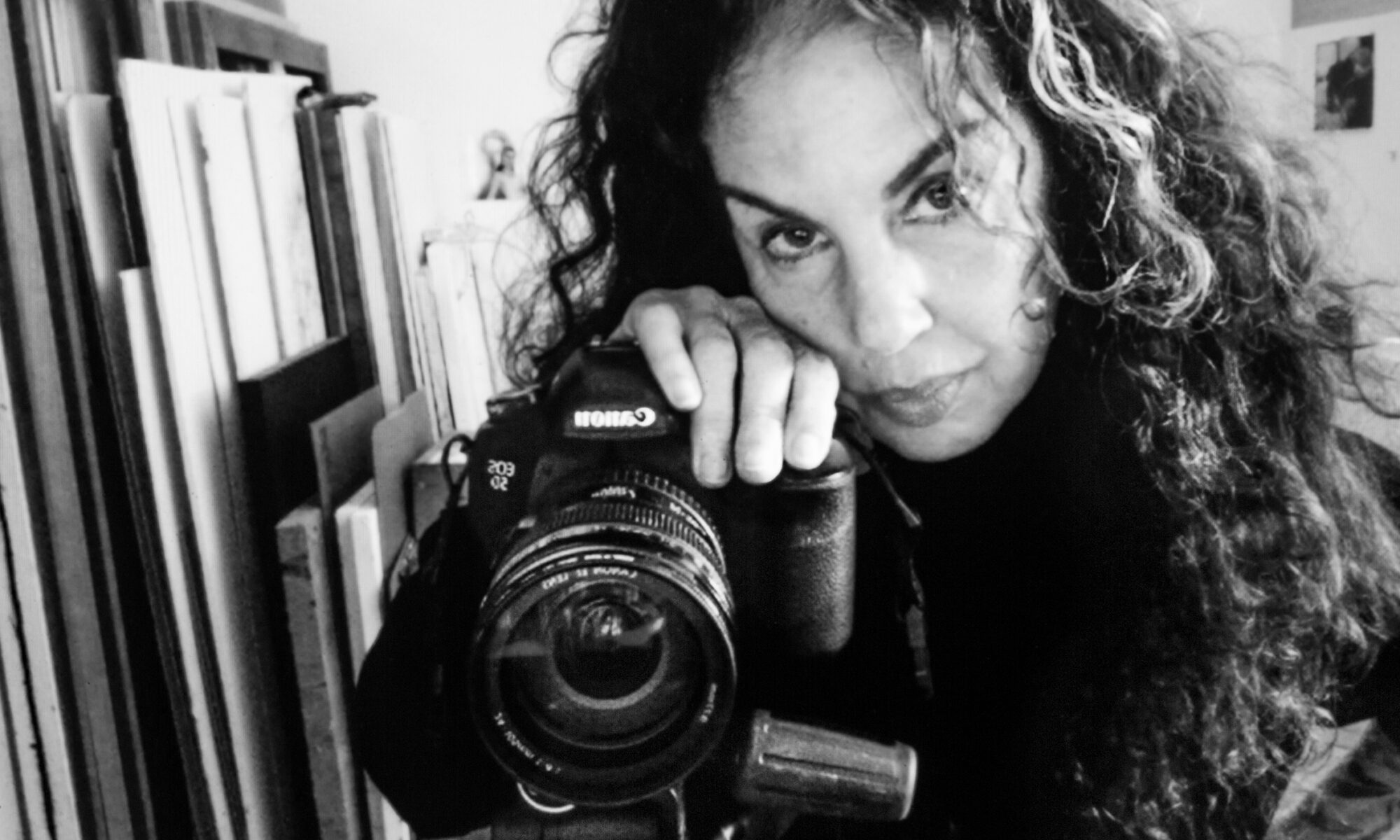
Self Portrait by Grace Roselli

Grace Roselli’s Pandora’s BoxX Project began as something personal: a way to reconnect with a world of artists she’d drifted from while raising two daughters, much of it as a single mother. She started by photographing the few women artists she still knew; each led her to another, and the project grew by conversation and recommendation rather than plan. Nearly 360 portraits later — of artists alongside curators, writers, historians, educators, and museum directors — it had become a record of a community whose influence has rarely been seen whole. Roselli photographs each sitter in their own home or studio, in available light. She then lets them choose the final image, because the portrait isn’t finished until both of them recognize the person in it. Roselli discusses the project’s origins, her way of working, and what nearly 360 encounters revealed.

Continue reading “The Pandora’s BoxX Project: Grace Roselli”

Melora Kuhn’s Power of Erasure and Material Revision

Melora Kuhn, Eruption

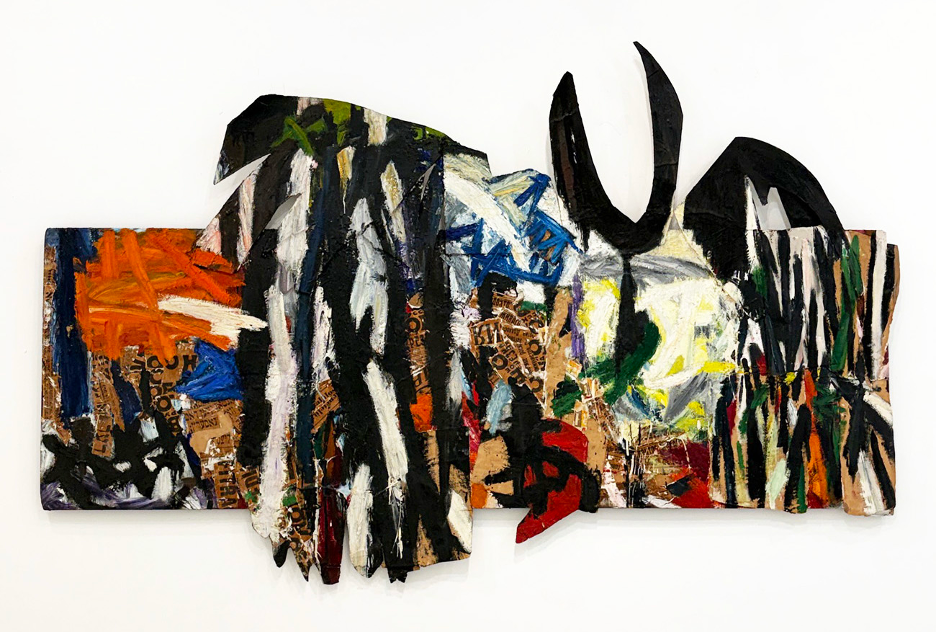
History has always depended on materials. Marble, oil paint, bronze, woodcuts, engravings, museum vitrines, and photographic reproductions preserve the past as well as determine how events, ideas, and narratives are represented. Over time, images become durable, gaining a certain kind of truth value because they acquire material permanence and spread through copies. Mythological heroines, biblical women, allegorical figures, and historical subjects return across centuries through the persistence of artistic media, carrying with them the assumptions, hierarchies, and ideologies embedded in their forms. Melora Kuhn‘s solo exhibition, The Legacy of Disembodiment, on view at Private Public Gallery, starts with the recognition that if representation has helped naturalize and proliferate the narratives these images and forms carry, then materials themselves can be a site of political intervention.

Continue reading “Melora Kuhn’s Power of Erasure and Material Revision”

Cecily Brown at the Serpentine: Everything Everywhere All at Once

Cecily Brown, Nature Walk with Paranoia

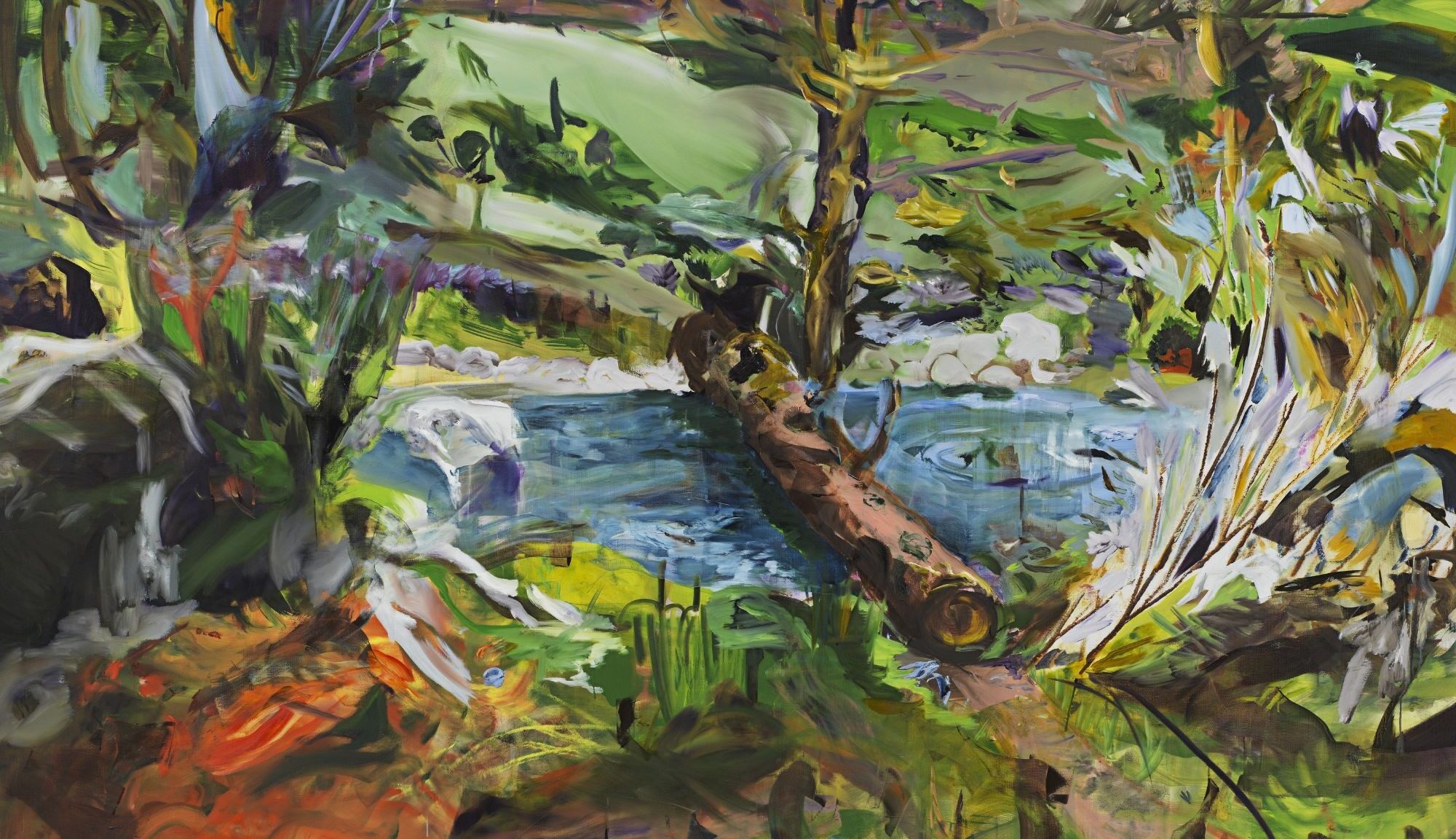
Entering the first room of the gallery, one is instantly struck by the richness of movement in Cecily Brown’s paintings. Several recent works, drawn from nature walks, centre on the motif of a log laid across a blue stream. This fairy-tale imagery, bordering on kitsch, was borrowed from a jigsaw puzzle Brown was completing at the time. Yet the jagged shrubbery and turbulence surrounding these scenes point towards something darker.

Continue reading “Cecily Brown at the Serpentine: Everything Everywhere All at Once”

Women Across America 1945-1979 at Eric Firestone

Eric Firestone Gallery, in its continuing support of underrepresented and female artists in the 20th and 21st centuries, has mounted an ambitious and interesting exhibition on now through July 11 at the gallery’s location on Great Jones Street in NYC. The exhibition is devoted to women who worked in abstraction from 1945 to 1979, thus giving the curators a very specific window within which to work.

Continue reading “Women Across America 1945-1979 at Eric Firestone”

Still Abstract at 90: American Abstract Artists 

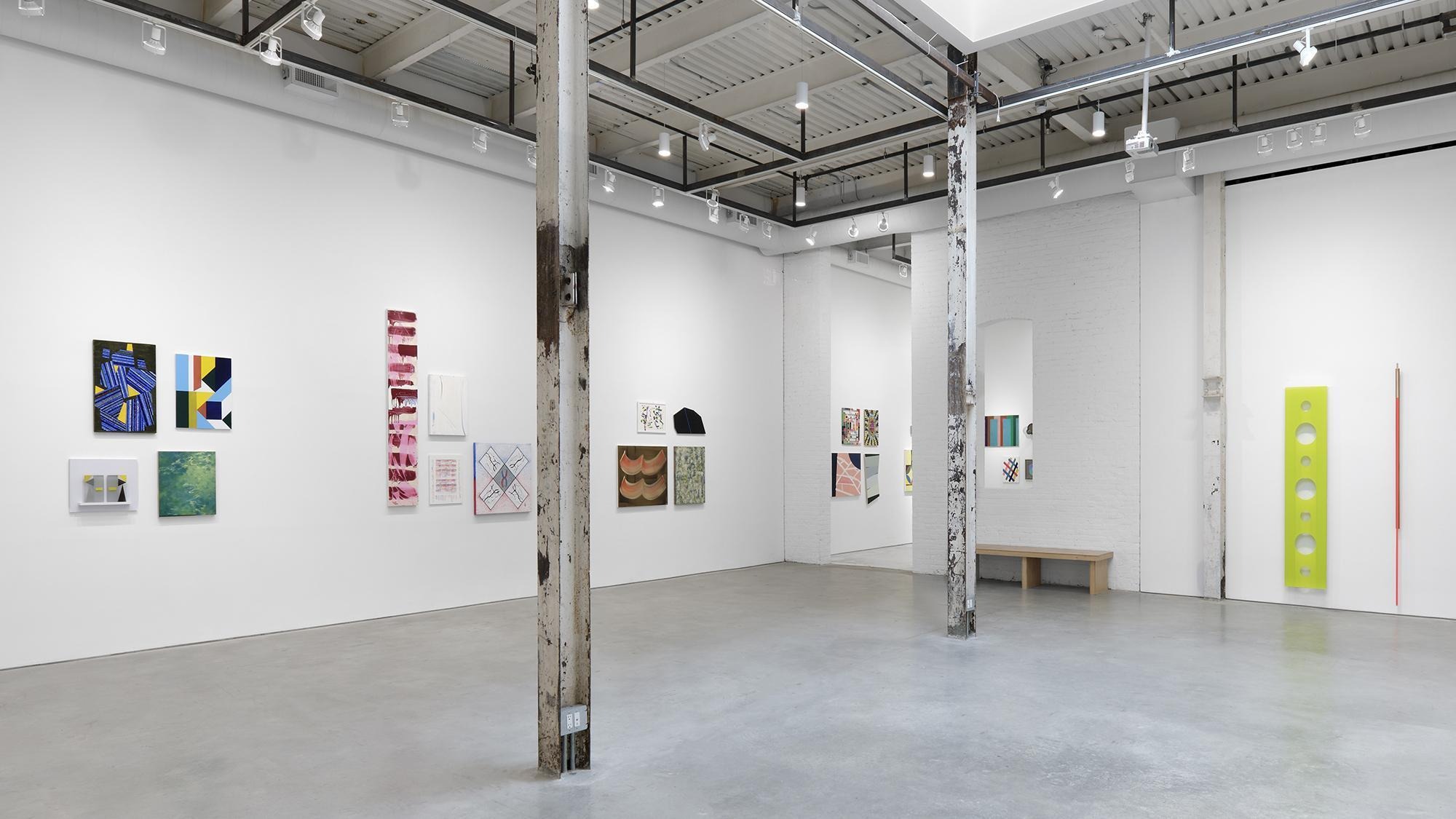
American Abstract Artists turns 90 this year, an unusual achievement for an artist-run group. Its anniversary show, Abstract by Definition: An Index, opened in April at Art Cake in Brooklyn, curated by Saul Ostrow, who brought 88 current members together under a single roof: a curatorial puzzle, an organizational feat, and a long-running argument about what abstraction can be. A companion exhibition at D. Wigmore Fine Art on West 57th Street focuses on the group’s founders and work made between 1936 and 1950 and runs through July. Here, painter Jacob Cartwright, who serves as AAA’s Secretary, reflects on the group’s nomination-only structure, how a show this size actually comes together, and where he wants AAA to go next.

Continue reading “Still Abstract at 90: American Abstract Artists “

The $650 Show Art History Forgot, Thirteen Women, One Wet Floor, Zero Permission

At 33 Bleecker Street, history does not politely vacate.

In the 19th century, Herman Melville grew up at this address, long before the current building rose here in 1900. A century later, Joel Shapiro kept an early studio in the building before moving on to larger quarters. This winter, the ground-floor gallery Zürcher has been restaging a 1972 exhibition titled 13 Women Artists. Museum curators made the trip to NoHo. Emails arrived from outside the city asking for more time.

Continue reading “The $650 Show Art History Forgot, Thirteen Women, One Wet Floor, Zero Permission”

Ghada Amer: New Directions and Disobedient Thoughts at Marianne Boesky Gallery

Installation view

Upon entering this exhibition, I was taken to the wall pieces immediately, especially the use of vibrantly colored embroidery string mimicking paint strokes on the canvas. Art historical references and connections are very prevalent in the works of this exhibit. It was refreshing to see this conversation of the painting canon being brought up in a contemporary light by the use of this novel medium. Amer’s love and interest in the history of painting is apparent, and her works show art historical influences intertwined with intuition and a strong painterly hand that is present despite there being no paint in the show.

Continue reading “Ghada Amer: New Directions and Disobedient Thoughts at Marianne Boesky Gallery”

On This Spot: Histories of Women Artists in NYC

https://www.youtube.com/watch?v=Fpt8y0CP4sA&t=1s

On The Spot is a terrific new web series that seeks to document the histories of women artists in NYC from the 1950s to the 2000s. The ambitious mission is to document and present in three-minute videos the history of later 20th-century artists who have often been overlooked and underrepresented in the larger art world. They call themselves “a feminist art history nonprofit.” There are 40 videos so far produced, with plans for a great many more. The videos are a free public resource, accessible on the organization’s website.

Continue reading “On This Spot: Histories of Women Artists in NYC”

Gary Petersen: The Shape of Walking at McKenzie Fine Art

Garden of Music (after Bob Thompson), 2024, acrylic and oil on canvas, 54” x 94” 

For artists working within the realm of geometric abstraction, understanding the weight of art history is vital. The hard-edge lines, a keen understanding of color theory, and structured patterns—all form part of a visual language that has evolved over a century. Artists today, when approaching geometric abstraction, face a unique tension. On the one hand, they inherit the legacy of giants such as Piet Mondrian, Wassily Kandinsky, Josef Albers, and Kazimir Malevich, whose works laid the foundation for what we understand as “geometric art.” On the other hand, the question looms large: How does one continue to make geometric abstraction in 2024?

Continue reading “Gary Petersen: The Shape of Walking at McKenzie Fine Art”