Joyce Polance: The Patient Looks Back: Portraits of My Therapist

Joyce Polance’s The Patient Looks Back: Portraits of My Therapist

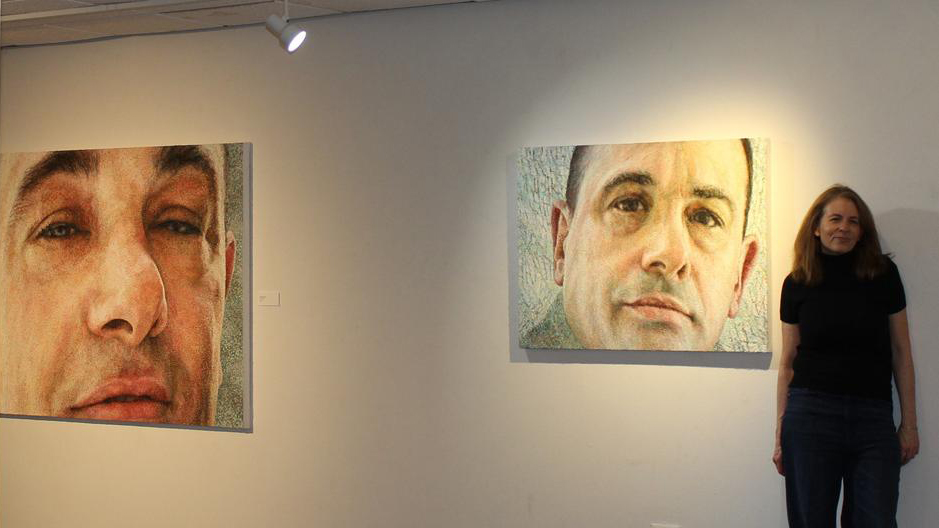
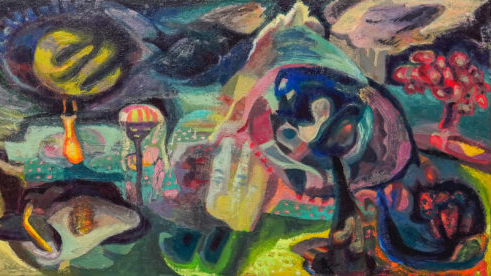
Joyce Polance has spent three years painting the same therapist nineteen times, in oil with fingers, and always from photographs taken at the close of a session. Polance inverts a familiar asymmetry: in therapy, Polance is the one exposed and observed, and here the therapist is the subject of long study, a figure whose features have grown more familiar to Polance yet, in many ways, remain a stranger. That paradox drives this body of work and gives the exhibition its title, The Patient Looks Back. It opened this September at Vassar College’s James W. Palmer III Gallery. What began as a single painting became something more persistent: a reflection on how difficult it is to truly know another person, even under the closest attention. 

Continue reading “Joyce Polance: The Patient Looks Back: Portraits of My Therapist”

Serena Scapagnini: Painting Memory

Serena Scapagnini, Saliency, La Memoria Cangiante

Memory is a fickle thing. However, when viewed through a neuroscientific lens, memory is also a biological process. Serena Scapagnini’s artistic practice, her recent Saliency, La Memoria Cangiante (2026) in particular, explores the retrieval of memory in its interdisciplinary entirety. Inaugurated on June 4th as a permanent installation at the Wu Tsai Institute at Yale University, Saliency, La Memoria Cangiante opens a wider reflection on the position of memory, whether as process or personal attachment, in Scapagnini’s work and current projects.

Continue reading “Serena Scapagnini: Painting Memory”

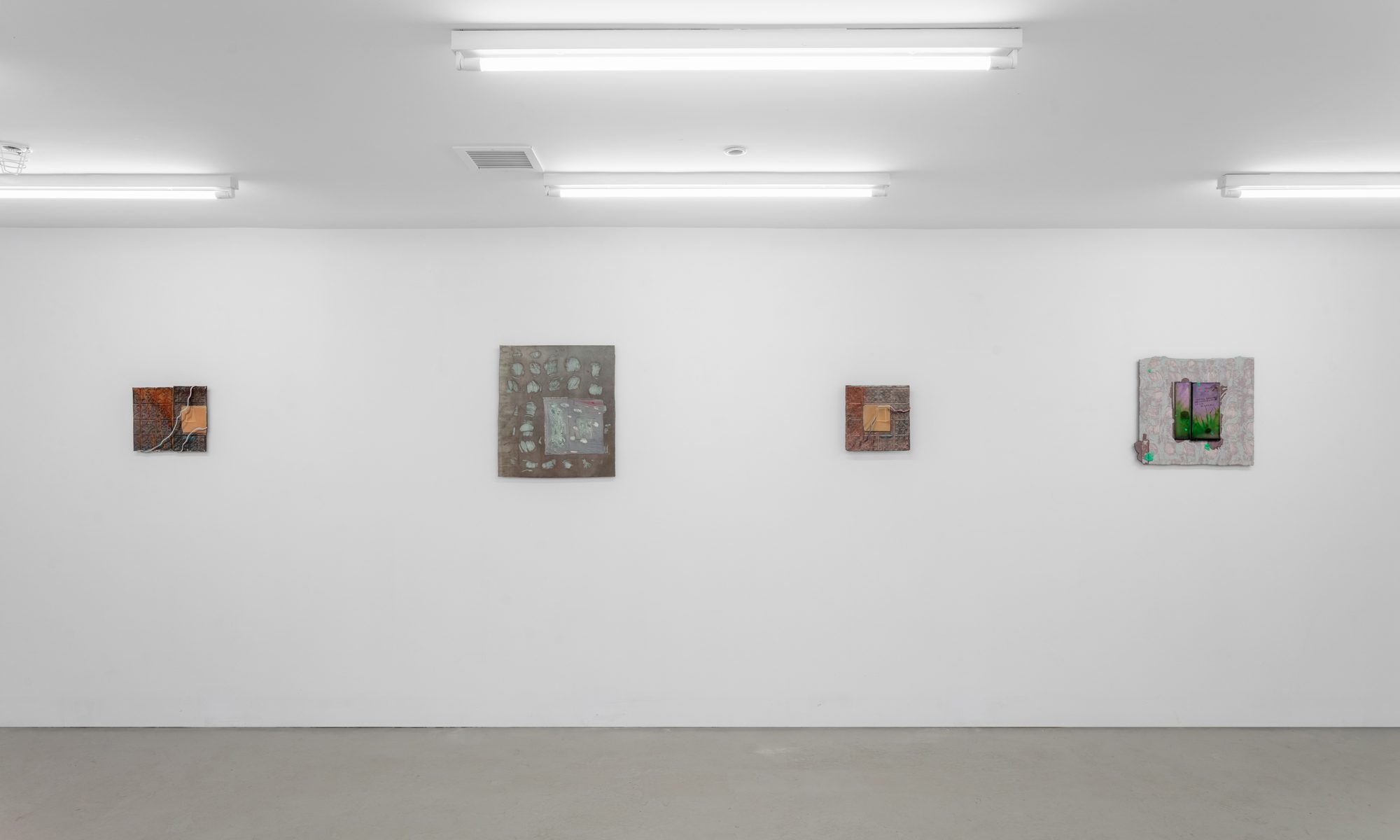
Image vs Object – Isabel Riley, John Guthrie, and Judy Riola 

Isabel Riley, Cardinal Directions of the Heart

Michelle Mercaldo, an artist and master craftsperson in her own right, is hosting a strong group show in her jewelry showroom, featuring the work of Isabel Riley, John Guthrie, and Judy Riola. Michelle’s own practice is in fine metalwork, and that sensibility, precision, and materiality, with a feel for surface, inform whose work she chooses to put on her walls. 

Continue reading “Image vs Object – Isabel Riley, John Guthrie, and Judy Riola “

Transcendence at FOU Gallery

Group exhibition: Transcendence installation view, 2026. Photography by Jiaqi, courtesy of Fou Gallery

Transcendence, a group exhibition of sculptures and paintings, is curated by Helena Jin and on view at FOU Gallery from July 11 – September 5, 2026. The artists Tianshu Zhang (张天舒), Gloria Fan Duan (樊段晓春), and Tao Xian (陶显) explore the show’s theme of transcendence in vastly different formal ways. Despite Helena Jin’s scholarly background in researching Buddhist art history, the type of transcendence posed by the show is distinctly secular; while some of the artists reference East Asian tradition and symbolism, the “beyond” or spiritual is achieved through individual artistic approaches to color and form.

Continue reading “Transcendence at FOU Gallery”

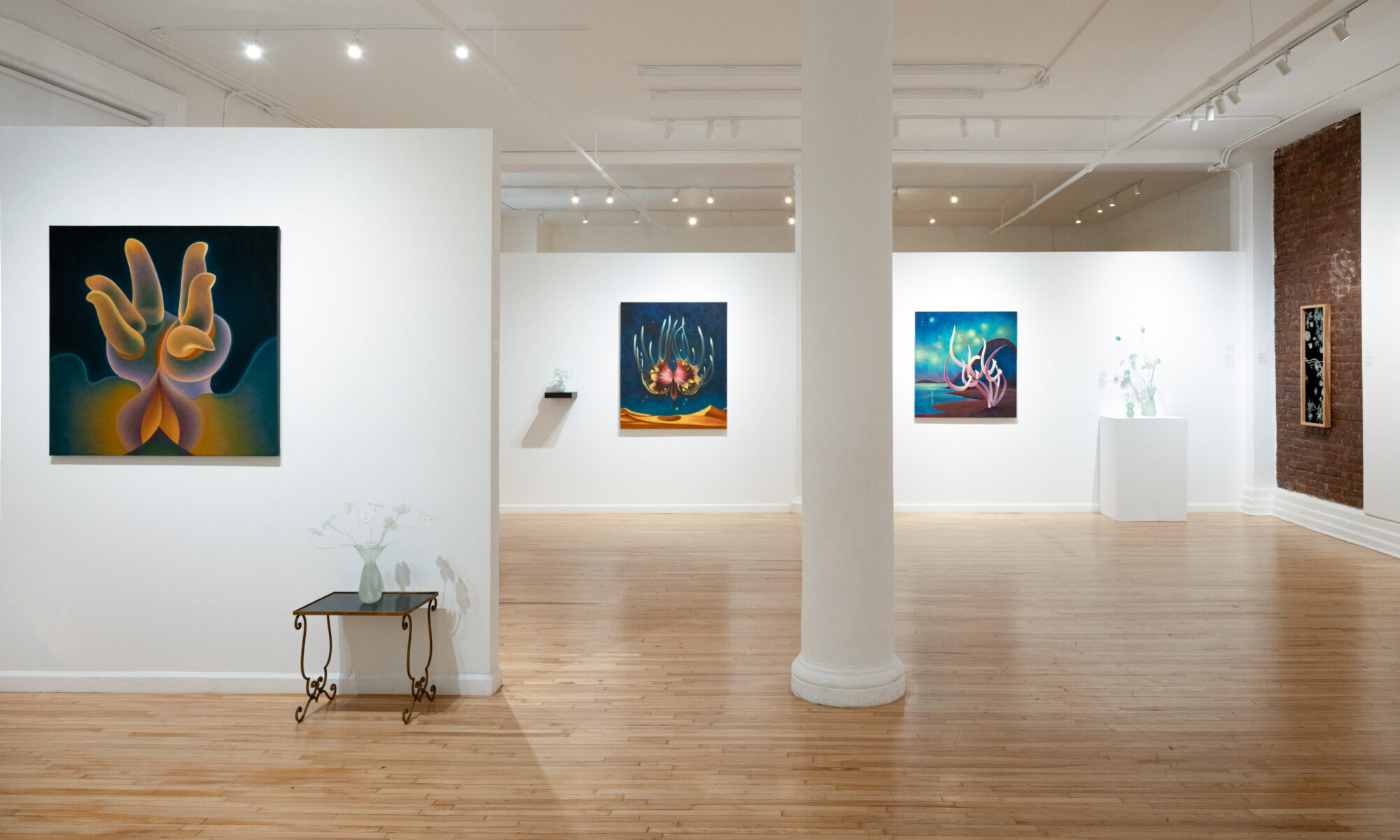
Saxon-Hill’s Flower Escapism at SHRINE

Blair Saxon-Hill, Installation View

I think it’s safe to say that everyone dreads turning on the news nowadays, with the turmoil of politics and world events. If it’s not on the TV, stressful headlines take over email news updates or flood social media platforms. However, for an artist, it can either bring one’s mood down or inspire one to take action by creating one’s own interpretation of a solution. Blair Saxon-Hill is the latter. With Saxon-Hill’s newest solo show at SHRINE, Saxon-Hill’s oil paintings, which portray mostly flowers, provide serenity to this chaotic state of American politics. 

Continue reading “Saxon-Hill’s Flower Escapism at SHRINE”

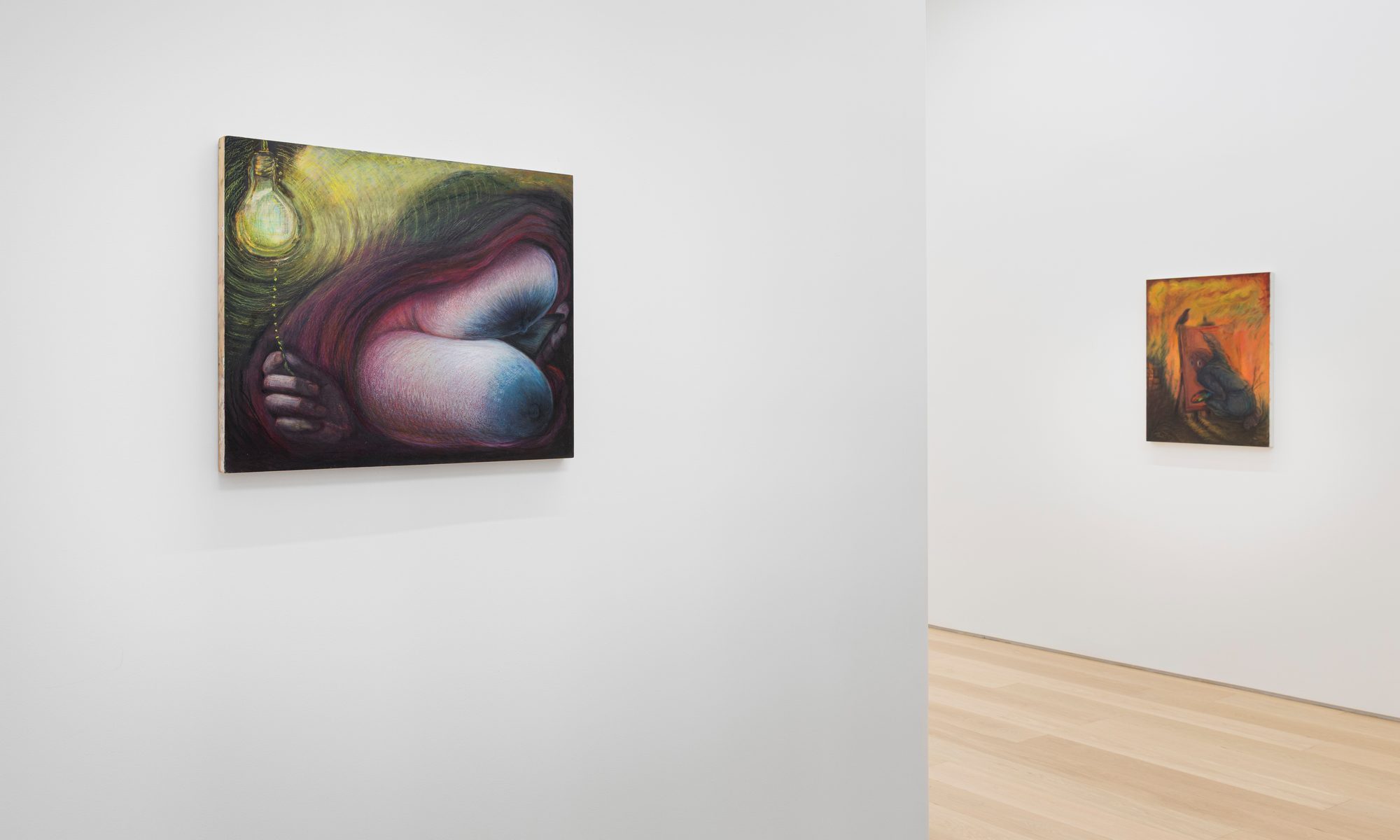
Laurie Fader: Opium Dreams

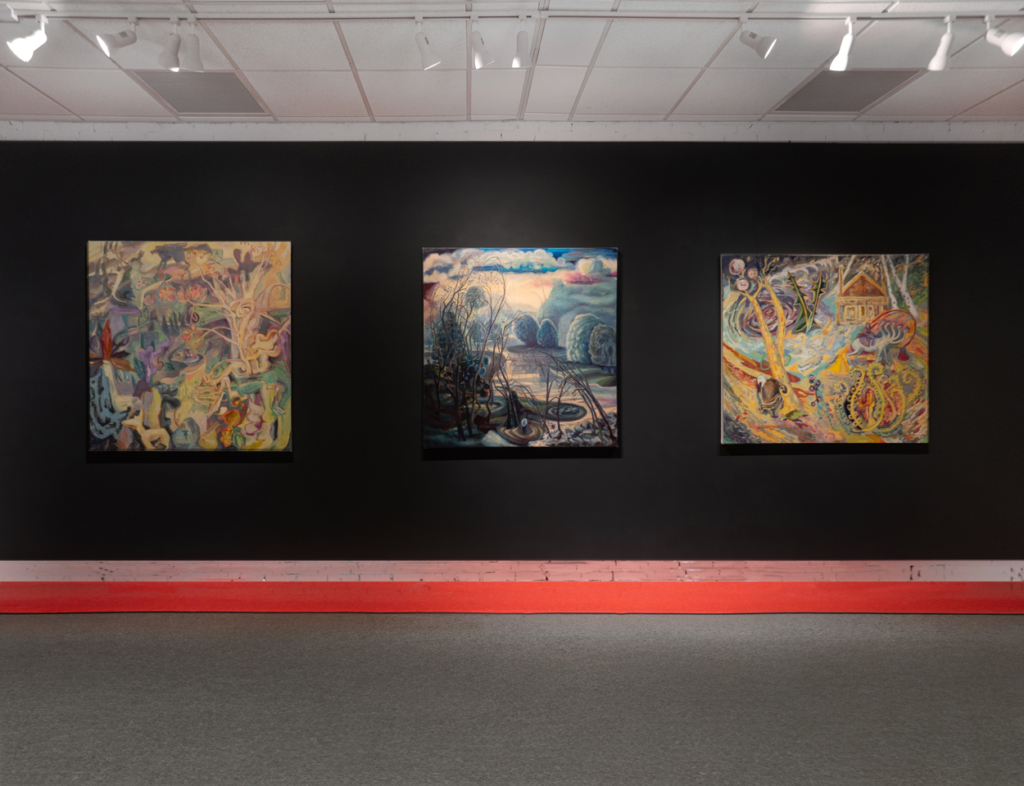
Opium Dreams, the exhibition of Laurie Fader’s pictures at the Susan Moremen Gallery, is an update of the artist’s bold transition from oil sketches of Umbrian hillsides to a psychological map of contemporary insecurities and vulnerabilities. She addresses our economic, political, and ecological ructions with exuberant irrationality, improbable scale-shifting, and a highly personal landscape vocabulary. Surreal humor and fantasy are her touch points, rather than anguish and despair.  

Continue reading “Laurie Fader: Opium Dreams”

Melora Kuhn’s Power of Erasure and Material Revision

Melora Kuhn, Eruption

History has always depended on materials. Marble, oil paint, bronze, woodcuts, engravings, museum vitrines, and photographic reproductions preserve the past as well as determine how events, ideas, and narratives are represented. Over time, images become durable, gaining a certain kind of truth value because they acquire material permanence and spread through copies. Mythological heroines, biblical women, allegorical figures, and historical subjects return across centuries through the persistence of artistic media, carrying with them the assumptions, hierarchies, and ideologies embedded in their forms. Melora Kuhn‘s solo exhibition, The Legacy of Disembodiment, on view at Private Public Gallery, starts with the recognition that if representation has helped naturalize and proliferate the narratives these images and forms carry, then materials themselves can be a site of political intervention.

Continue reading “Melora Kuhn’s Power of Erasure and Material Revision”

Cecily Brown at the Serpentine: Everything Everywhere All at Once

Cecily Brown, Nature Walk with Paranoia

Entering the first room of the gallery, one is instantly struck by the richness of movement in Cecily Brown’s paintings. Several recent works, drawn from nature walks, centre on the motif of a log laid across a blue stream. This fairy-tale imagery, bordering on kitsch, was borrowed from a jigsaw puzzle Brown was completing at the time. Yet the jagged shrubbery and turbulence surrounding these scenes point towards something darker.

Continue reading “Cecily Brown at the Serpentine: Everything Everywhere All at Once”

Hollis Heichemer: Transcension over Anthropocentrism and Breakaway into Landscapes

Hollis Heichemer, Come to the Surface

Hollis Heichemer’s solo exhibition at Hollis Taggart titled “moving in stillness” is a profound investigation of existence and the meaning of the world through the study of landscapes and Mother Nature. Is Humanism an anthropocentric perspective that is ultimately flawed and furnishes humanity with the arrogance to destroy the environment and disregard the principles of empathy? How can we overcome the diseased thought that humans have the right to master or exploit nature for profit? And how has the artist found great peace and liberation through her lifelong study of Mother Nature and her generous nourishment and wisdom? Does Heichemer apply the paint purely as a formal exercise of abstract colors and relationships, or does the paint become the flesh of Mother Nature, by the observation of which we can become and live through the painting as landscapes?

Continue reading “Hollis Heichemer: Transcension over Anthropocentrism and Breakaway into Landscapes”