Some Other Way: Mythmaking Made Irresistible

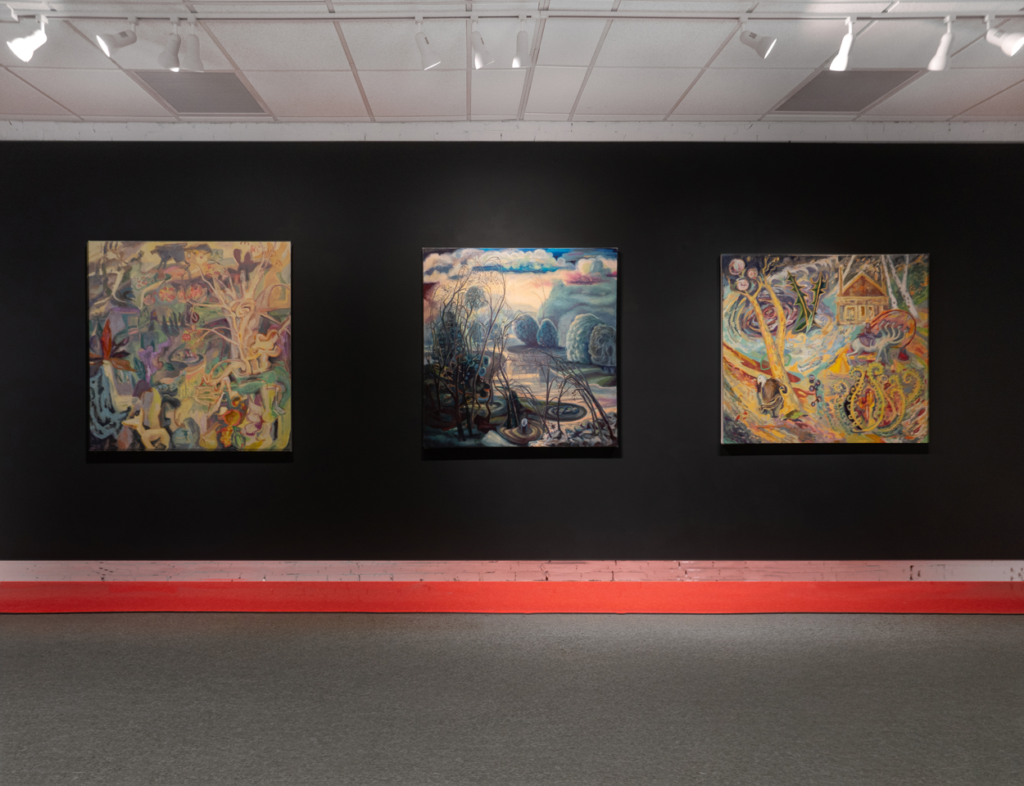
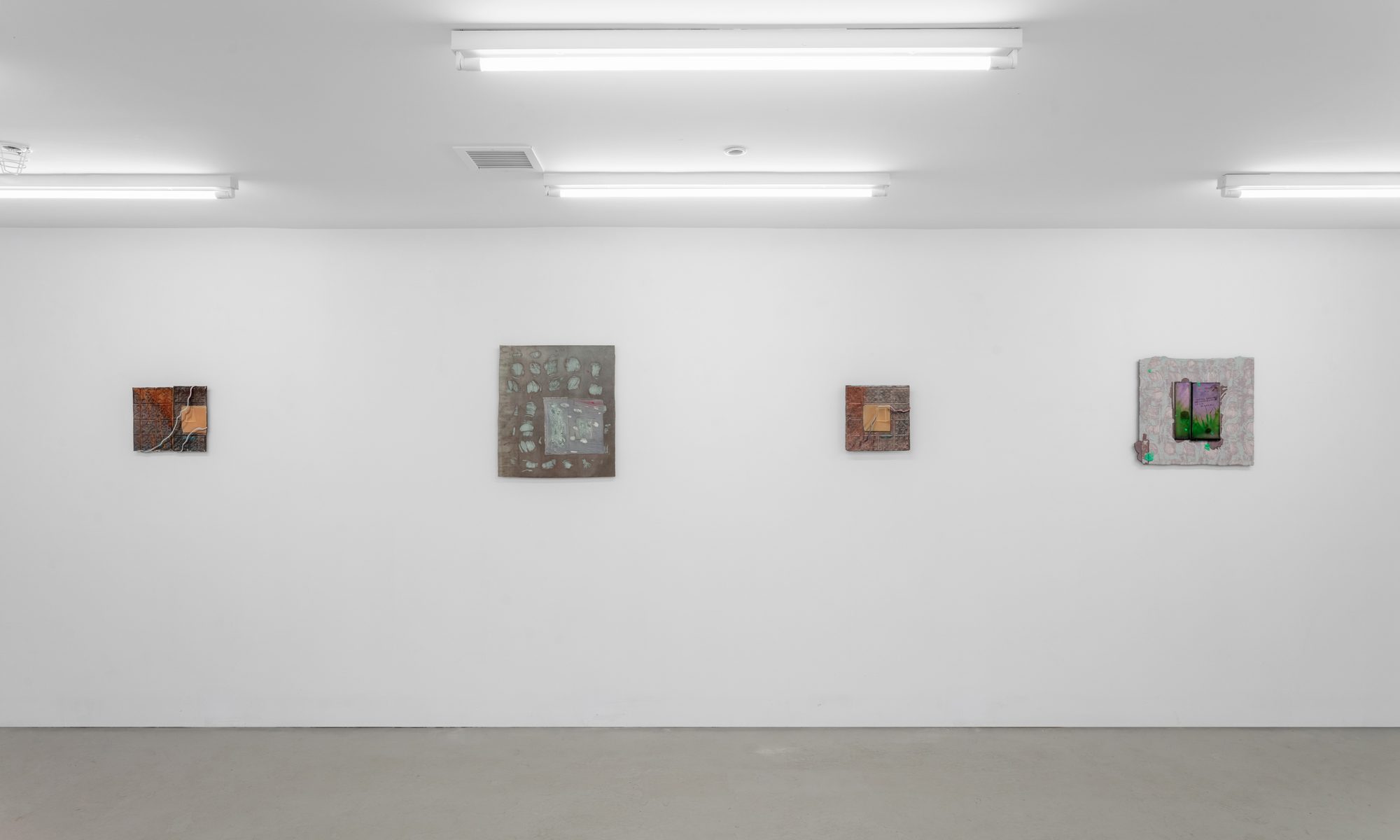
Kate McQuillen, Installation View, Echo Resounds

Let me tell you about a complicated woman.

Echo is a shrewd mountain nymph in Ovid’s Metamorphoses. She acts in the service of a god and out of loyalty to her fellow nymphs, but also takes pride in the cleverness she employs to outwit Juno, so Jove can do what he pleases with the forest creatures. She is punished for her cleverness by being condemned to never speak for herself, only to repeat the last words spoken to her. Despite her limitations, she still makes herself clear. Later, when Narcissus declares that he will die before the lovesick Echo possesses his body, she smolders, “…you can possess my body.” A body that will ultimately wither away in a cavern, leaving only a voice that seeks communication and relation; a voice that endures, because these desires endure.

Continue reading “Some Other Way: Mythmaking Made Irresistible”
When Pixels Grow Skin

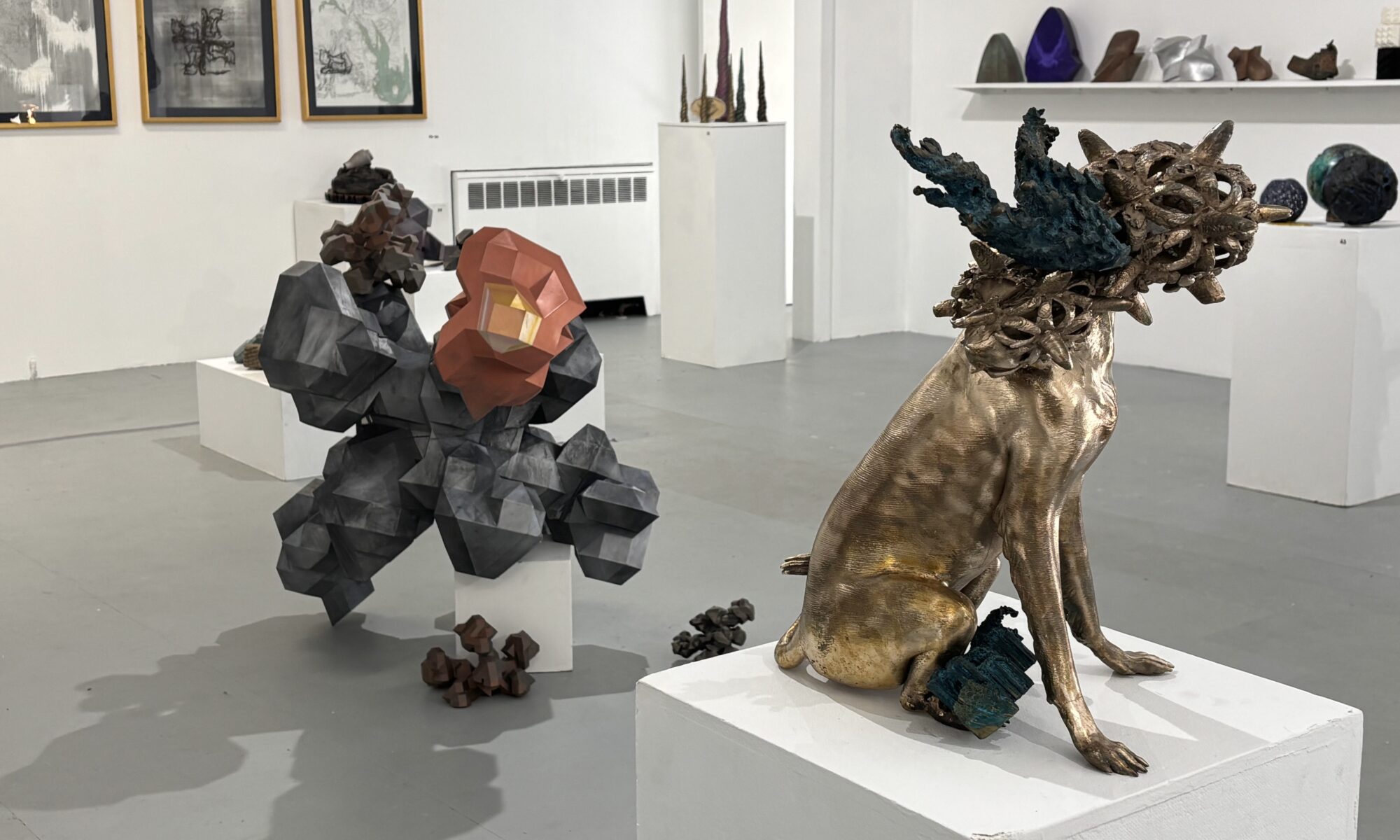
Ziyi Zhang, Installation view of PIXEL//FLESH

Our generation’s idea of “skin” is increasingly formed on screens. Smartphone cameras automatically brighten skin tones, filters smooth pores, and editing software erases wrinkles while manufacturing new forms of gloss and texture. At first, these technologies seemed merely to modify images of the body: skin existed first in the physical world and was then captured and processed by the camera. Gradually, however, this sequence has been reversed. Technologically processed skin has begun to function as a new visual standard, while unedited skin can appear rough, incomplete, or somehow insufficient. It is a subtle shift: the body once entered the image, but now the image increasingly seems to redefine the body.

Continue reading “When Pixels Grow Skin”

Searching for the Philosopher’s Stone: Paul Higham’s Data Sculpture

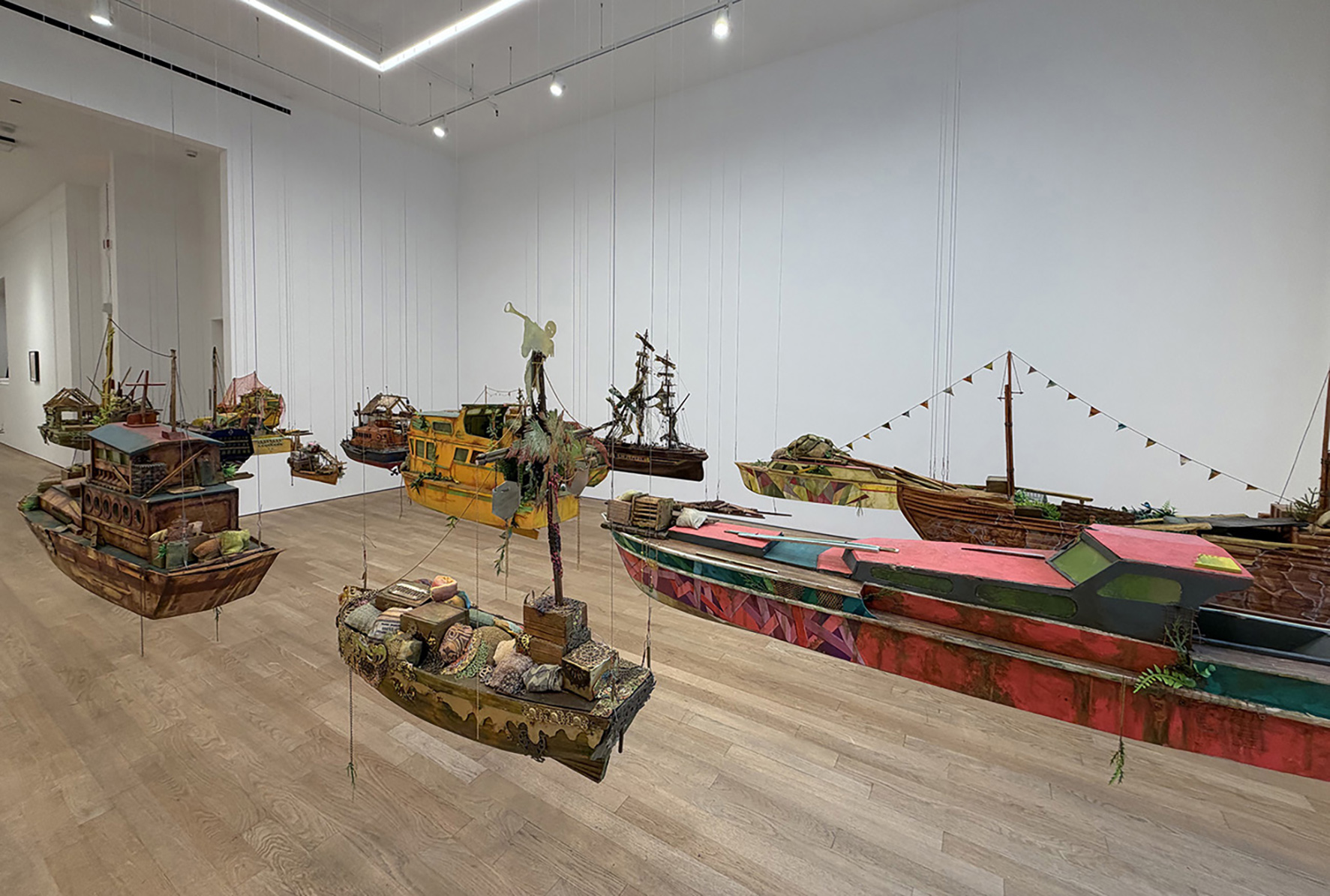
Paul Higham, Installation view of Data Sculpture

In the gallery at Eberle Studios in Homestead, Pittsburgh, we find ourselves transported to the workshop of a modern-day alchemist, Paul Higham, who has been experimenting with the digital creation and manipulation of form for almost fifty years. This is a space in which D’Arcy Wentworth Thompson (author of On Growth and Form) would be ecstatic, for everything flows teleologically through space and time: the flight pattern of a fly (Descartes Fly) intersects with the growth of a tobacco plant virus, and the Nike of Samothrace overlaps with segments of the program code for the video game Call of Duty.

Continue reading “Searching for the Philosopher’s Stone: Paul Higham’s Data Sculpture”

Imagines Antiques, “Clocks” by Pablo Bronstein at Olney Gleason gallery

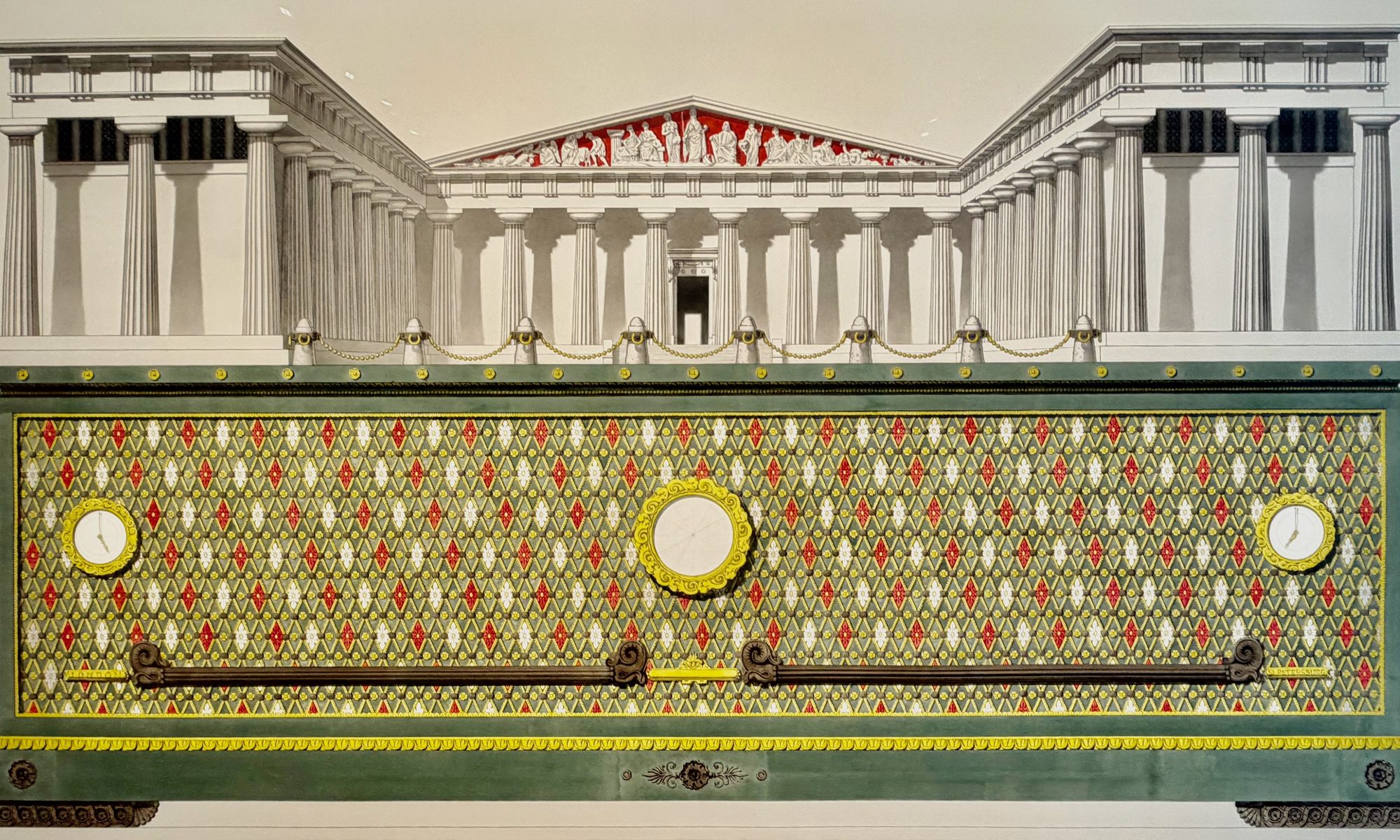
Pablo Bronstein, Classical Triumphant

London-based Argentinian painter Pablo Bronstein draws a fantastic series of porcelain mantel clocks that he invents from period pieces and antiques. He renders each drawing meticulously, building it up with carved decorative extensions into a curious, fantastic object. In Emporium, for example, the pagoda roof ends in elongated curls, with four red dragons whose extremities are exaggerated. At the same time, he distorts these objects in space, partially flattening them into wide geometric projections that make them even more convoluted. The series is fascinating in its originality and in the many historical and contemporary interpretations it invites.

Continue reading “Imagines Antiques, “Clocks” by Pablo Bronstein at Olney Gleason gallery”

Rebecca Morgan at Asya Geisberg Gallery: Traversing the Apocalypse 

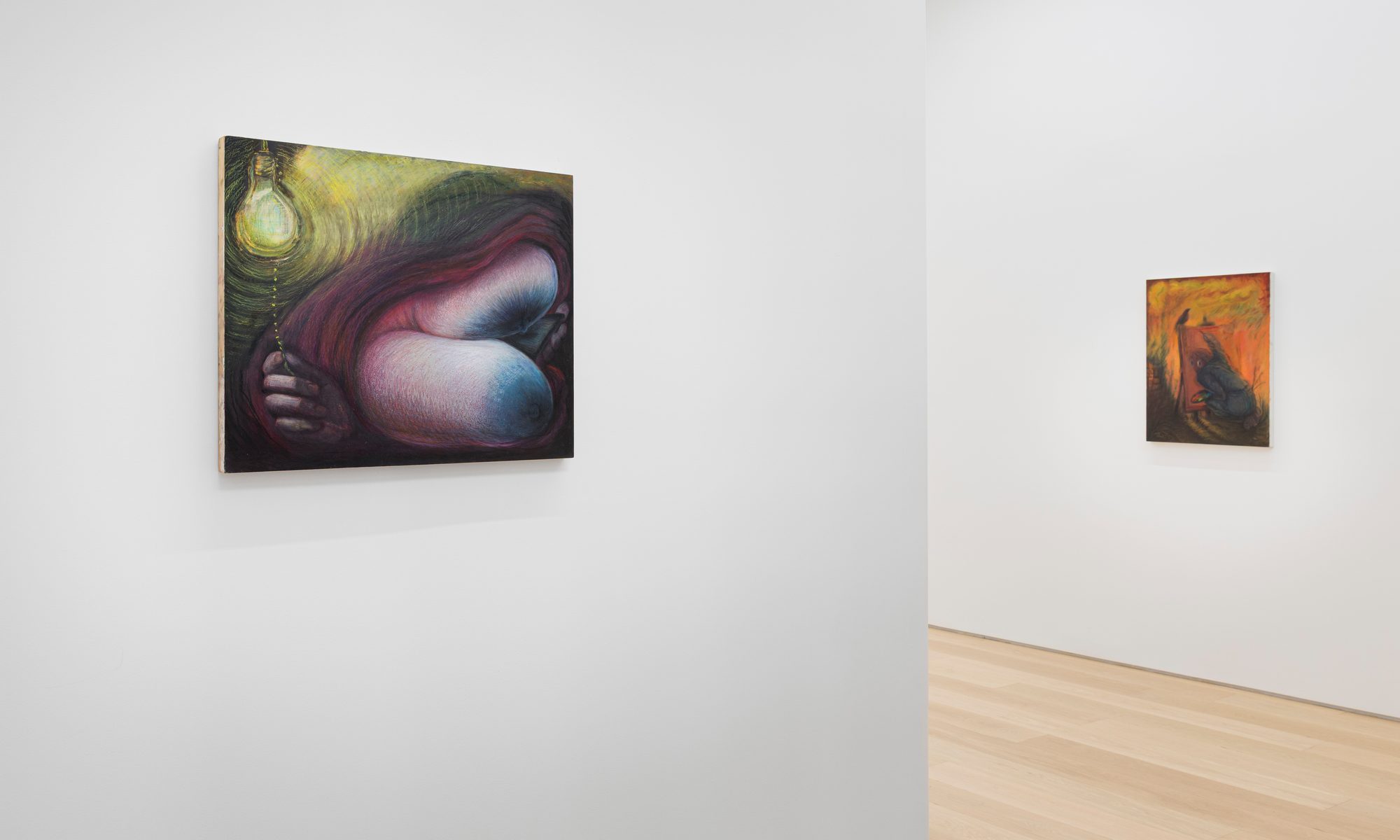
Painting in the Age of Apocalyps

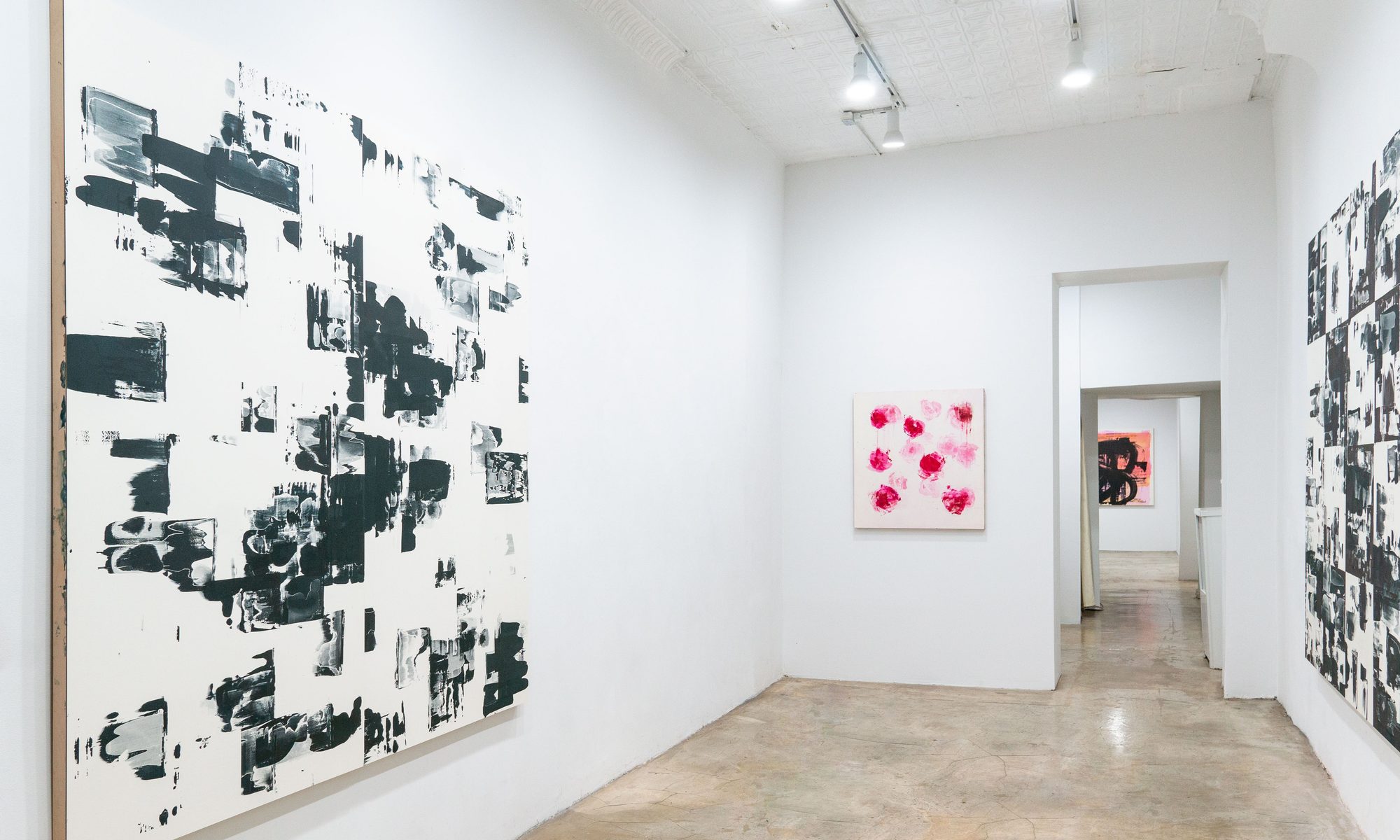
Rebecca Morgan’s exhibition Painting in the Age of Apocalypse is a bit of a roadmap for viewers. Morgan tackles the question of how to present images in the face of a raging political landscape,  how to keep moving forward, and how to maintain oneself and some humor about it all. And most importantly to me, how to open up one’s painting style and allow both the work and the process to support you through this tumultuous and often unbelievable terrain we may find ourselves within. In this exhibition, Morgan engages potent themes from all her eras: sympathy for her rural background, feminist reappraisal of art history, and an unbridled excitement at infusing humor and technical prowess into her critique. Here, Morgan fuses all of these themes well, all the while showing us a fresh, looser style of painting that captures the frenetic energy of the moment. 

Continue reading “Rebecca Morgan at Asya Geisberg Gallery: Traversing the Apocalypse “

Anne Katrine Senstad – Being (Un)schooled

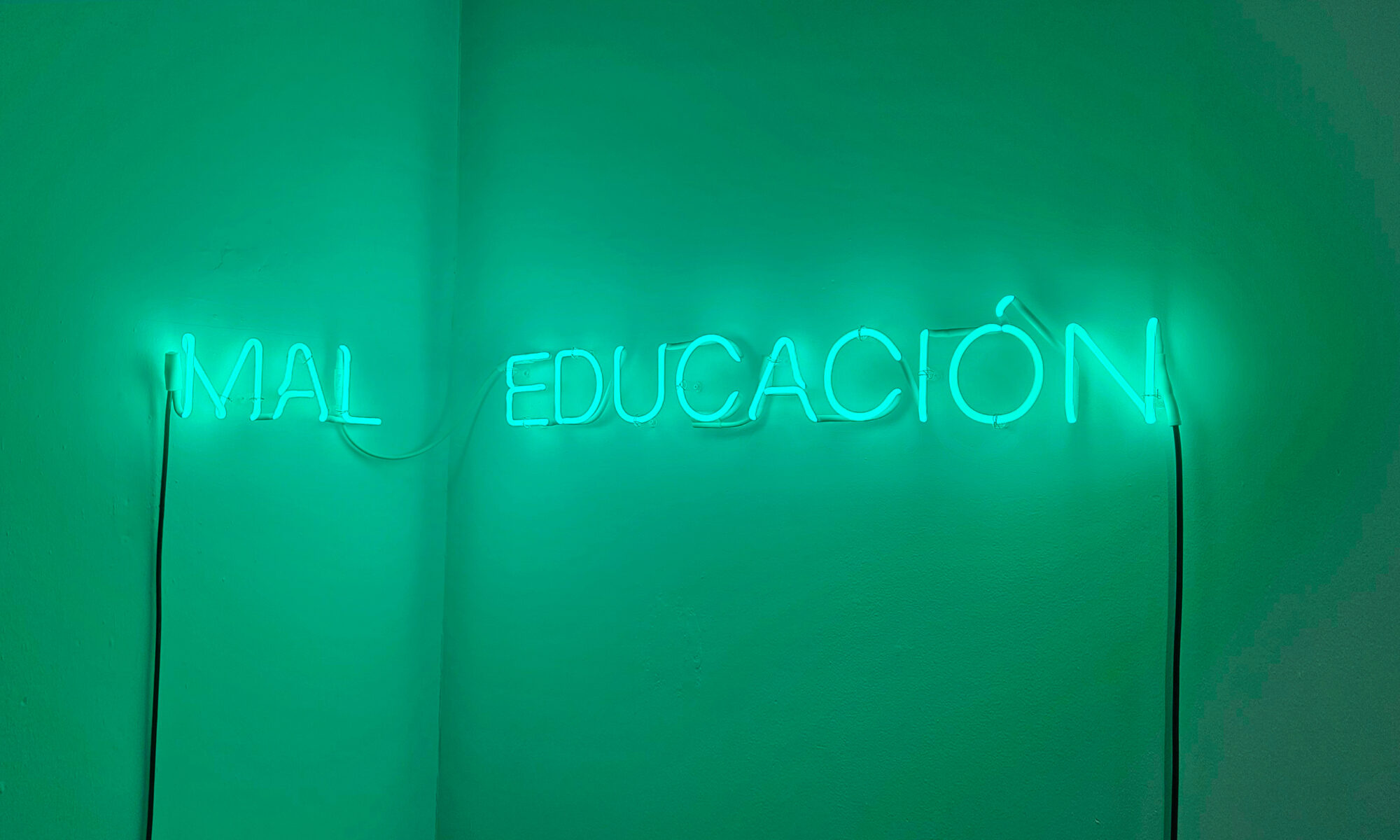
Anne Katrine Senstad, MAL EDUCACIÓN

Crossing the threshold of the “Veieja Escuelera” exhibition at Synesthesia Gallery, Brooklyn, visitors find themselves enveloped in an eerie haze of green light that is both sensuous and disquieting. This is not the only defamiliarizing element since the floor is carpeted with artificial grass and the light works encompass phrases in multiple languages. On Anne Katrine Senstad’s turf, nothing is what it seems at first sight. A Norwegian artist living between New York and Oslo, she uses light both environmentally and sculpturally to expose the interdependence between perceptual experience, cognition, and ideological beliefs. Her practice engages both with the phenomenological inquiries of minimalist artists such as Dan Flavin and Robert Irwin and with the tongue-in-cheek propositions of Conceptual artists such as Joseph Kosuth and Bruce Nauman who have paired neon light with text to invite reflection on the function of art as sign.

Continue reading “Anne Katrine Senstad – Being (Un)schooled”

Le Alchemiste by Anselm Kiefer at the Palazzo Reale

Anselm Kiefer’s Le Alchemiste

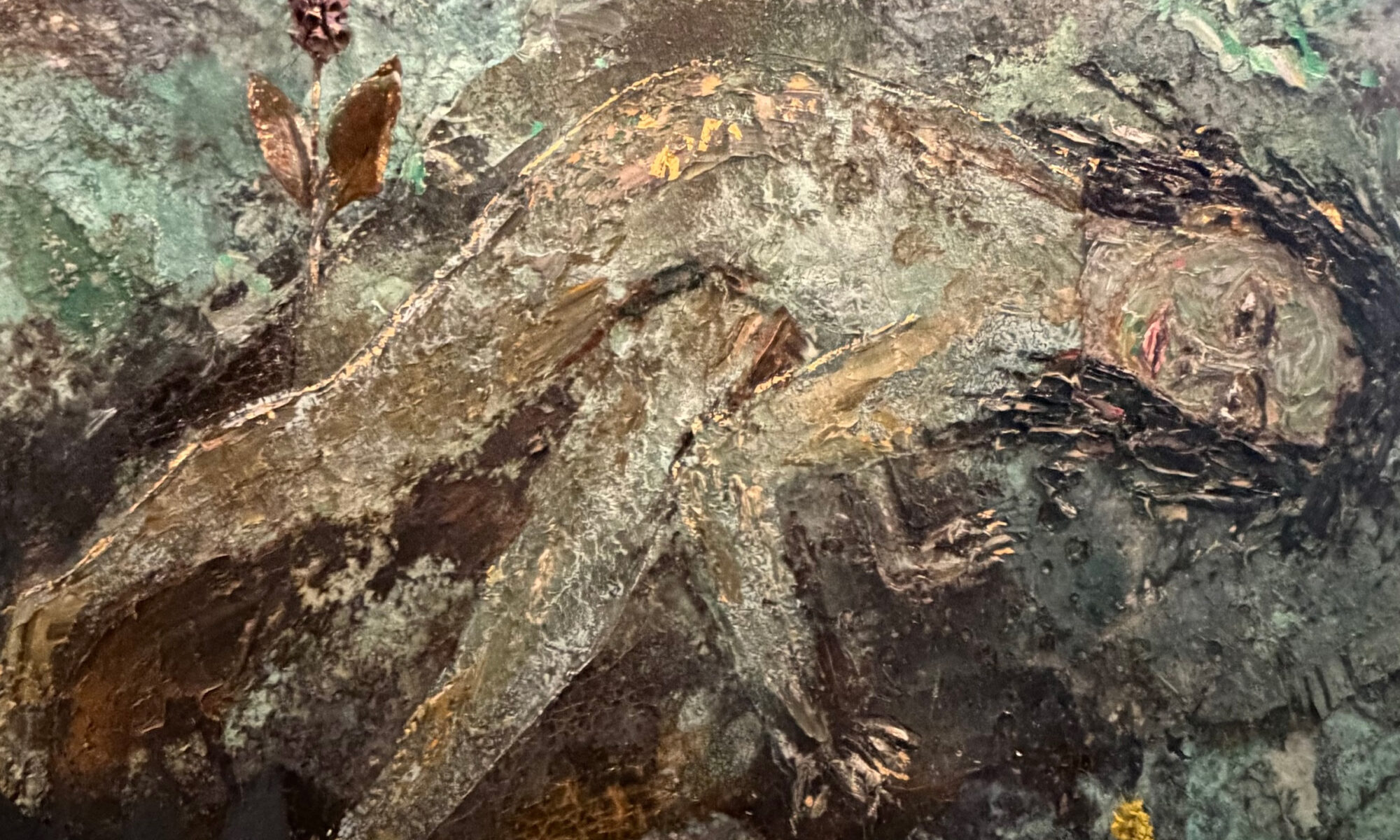
I saw “Le Alchemiste” by Anselm Kiefer at the Palazzo Reale in Milan, and although I have seen many exhibitions by this German artist, I have never seen anything like this. He creates large vertical portraits of about forty women who worked as alchemists and healers in various European communities in the period between antiquity and the nineteenth century.

Continue reading “Le Alchemiste by Anselm Kiefer at the Palazzo Reale”

Saxon-Hill’s Flower Escapism at SHRINE

Blair Saxon-Hill, Installation View

I think it’s safe to say that everyone dreads turning on the news nowadays, with the turmoil of politics and world events. If it’s not on the TV, stressful headlines take over email news updates or flood social media platforms. However, for an artist, it can either bring one’s mood down or inspire one to take action by creating one’s own interpretation of a solution. Blair Saxon-Hill is the latter. With Saxon-Hill’s newest solo show at SHRINE, Saxon-Hill’s oil paintings, which portray mostly flowers, provide serenity to this chaotic state of American politics. 

Continue reading “Saxon-Hill’s Flower Escapism at SHRINE”

Laurie Fader: Opium Dreams

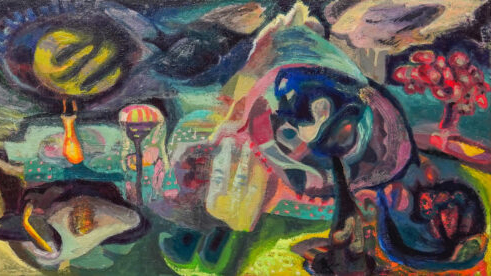
Opium Dreams, the exhibition of Laurie Fader’s pictures at the Susan Moremen Gallery, is an update of the artist’s bold transition from oil sketches of Umbrian hillsides to a psychological map of contemporary insecurities and vulnerabilities. She addresses our economic, political, and ecological ructions with exuberant irrationality, improbable scale-shifting, and a highly personal landscape vocabulary. Surreal humor and fantasy are her touch points, rather than anguish and despair.  

Continue reading “Laurie Fader: Opium Dreams”