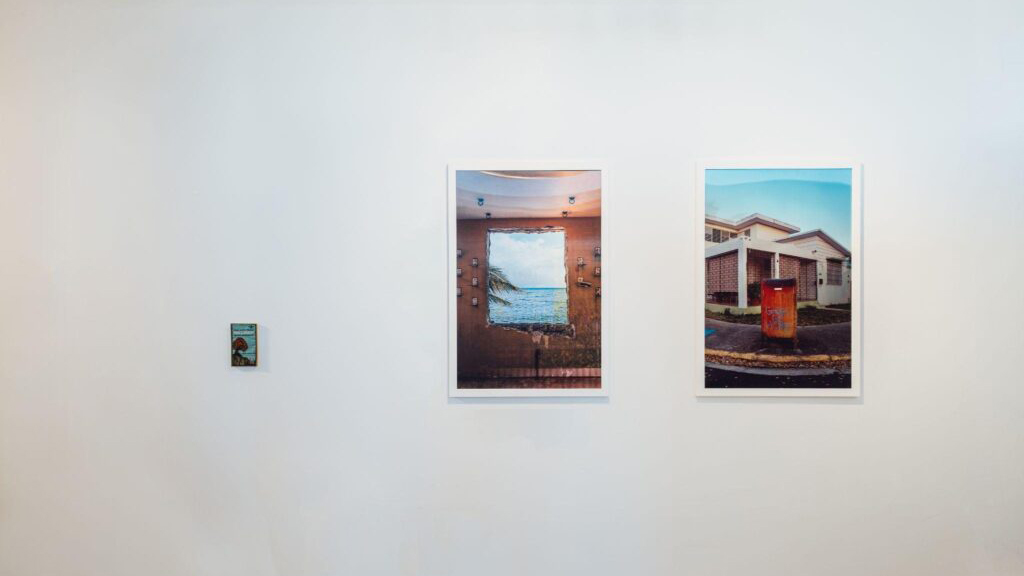
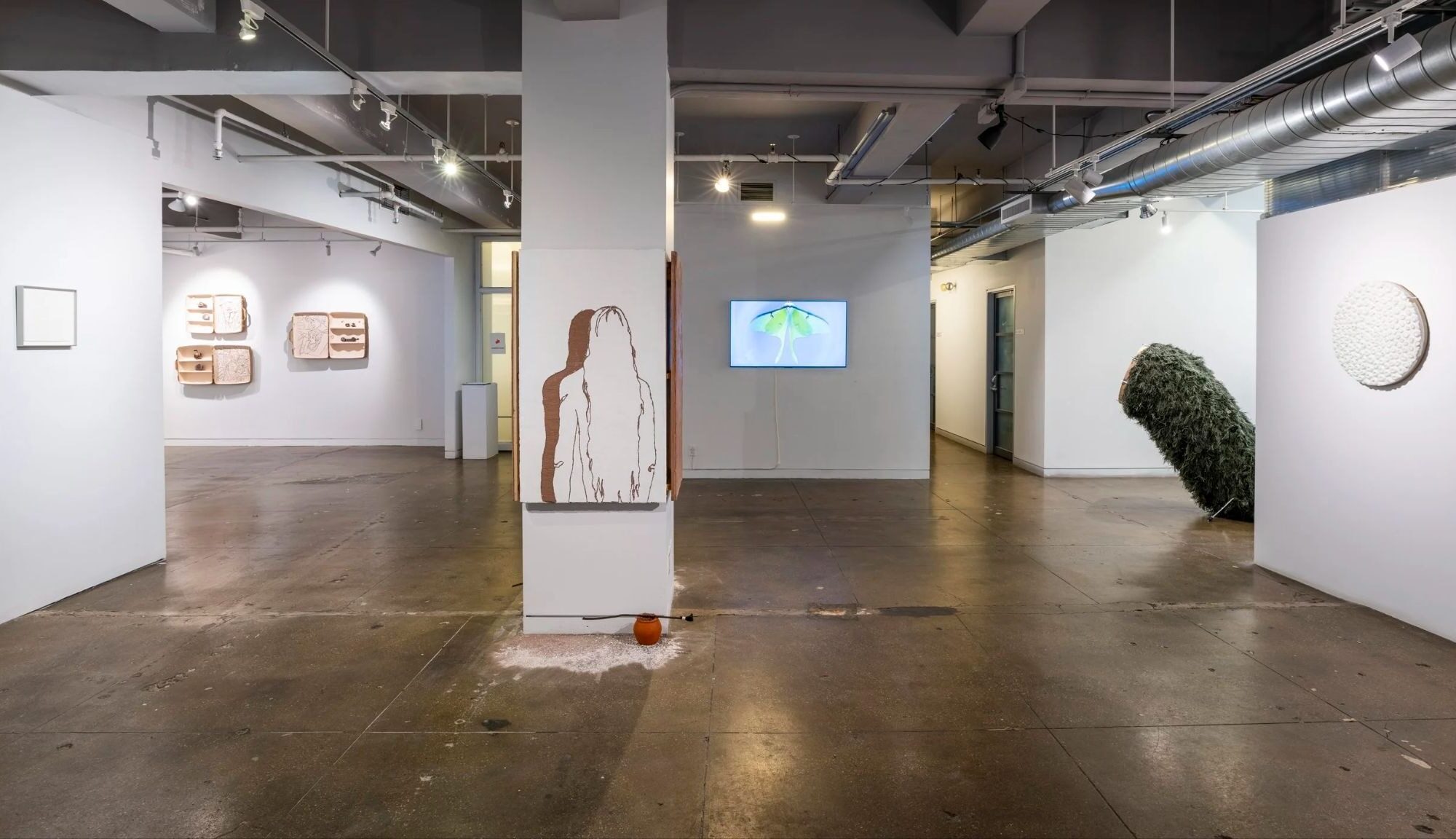
Atay Ilgun and Jonathan Carmel on ./spiral at Fondazione Aversano
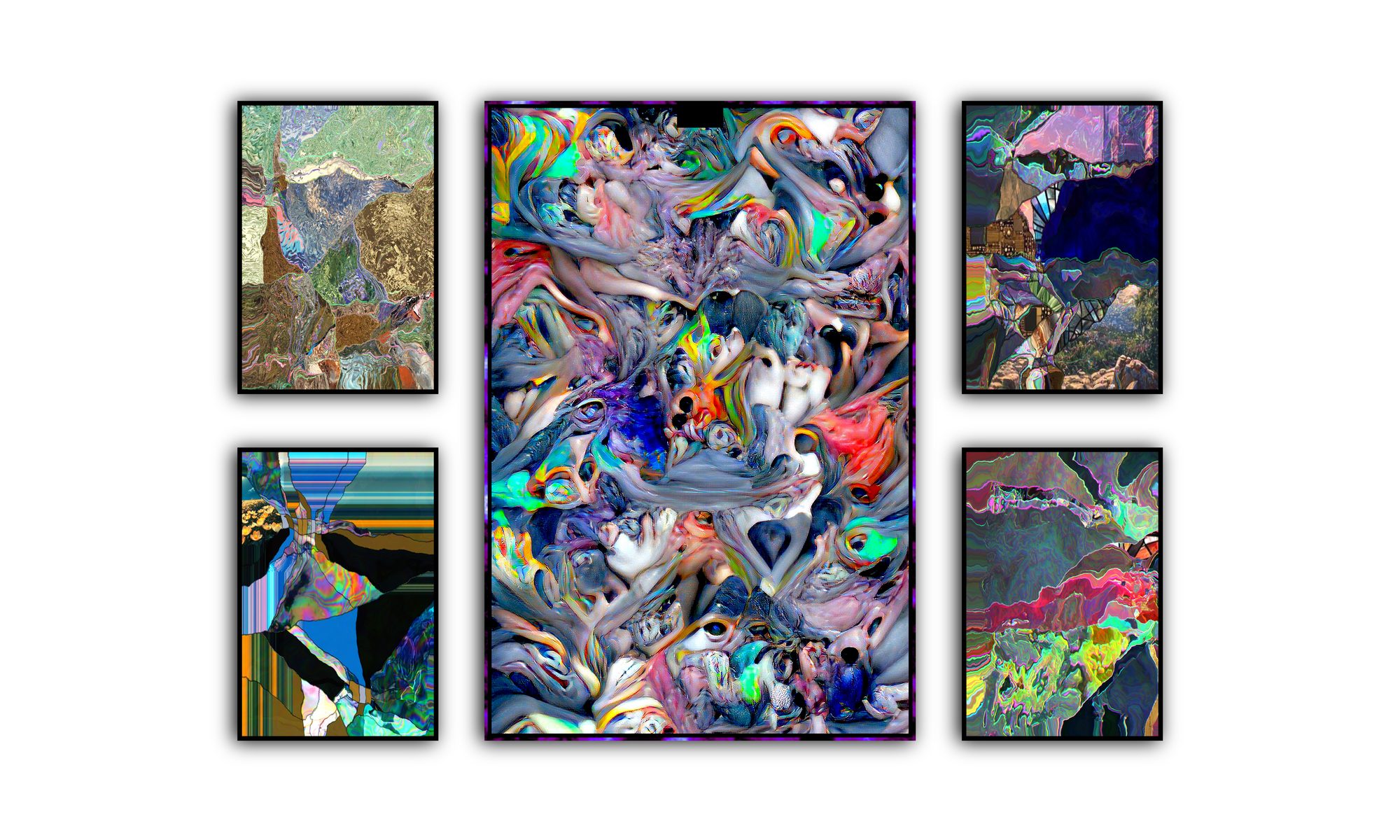
Atay Ilgun, Otherness

How does a field barely a decade old start to have a past? ./spiral takes up that question, gathering eleven artists who were present at the early days of AI, code, and blockchain art and asking each to pick up a formative work, tool, or loose end and carry it forward from where they are now. For co-curator Atay Ilgun, a London-based artist and technologist, the burst of new tools between 2017 and 2022 has only lately settled far enough into the past to be seen clearly. His fellow curator, SuperRare’s Jonathan Carmel, describes the return as a way of moving forward by first turning around. The works cross from screen into matter along the way, Helena Sarin’s ceramics drawing AI imagery toward ancient clay, Robbie Barrat’s Plexiglas prints nudging it back toward the glow of a monitor. Presented by SuperRare at Justin Aversano’s Fondazione Aversano in New York, September 3–10. Here, Ilgun and Carmel discuss how the show came together, the move from screen to object, and the histories their artists carry forward.

Continue reading “Atay Ilgun and Jonathan Carmel on ./spiral at Fondazione Aversano”

Interview for He Spoke to the Birds: Matter, Memory, and Nonhuman Voices

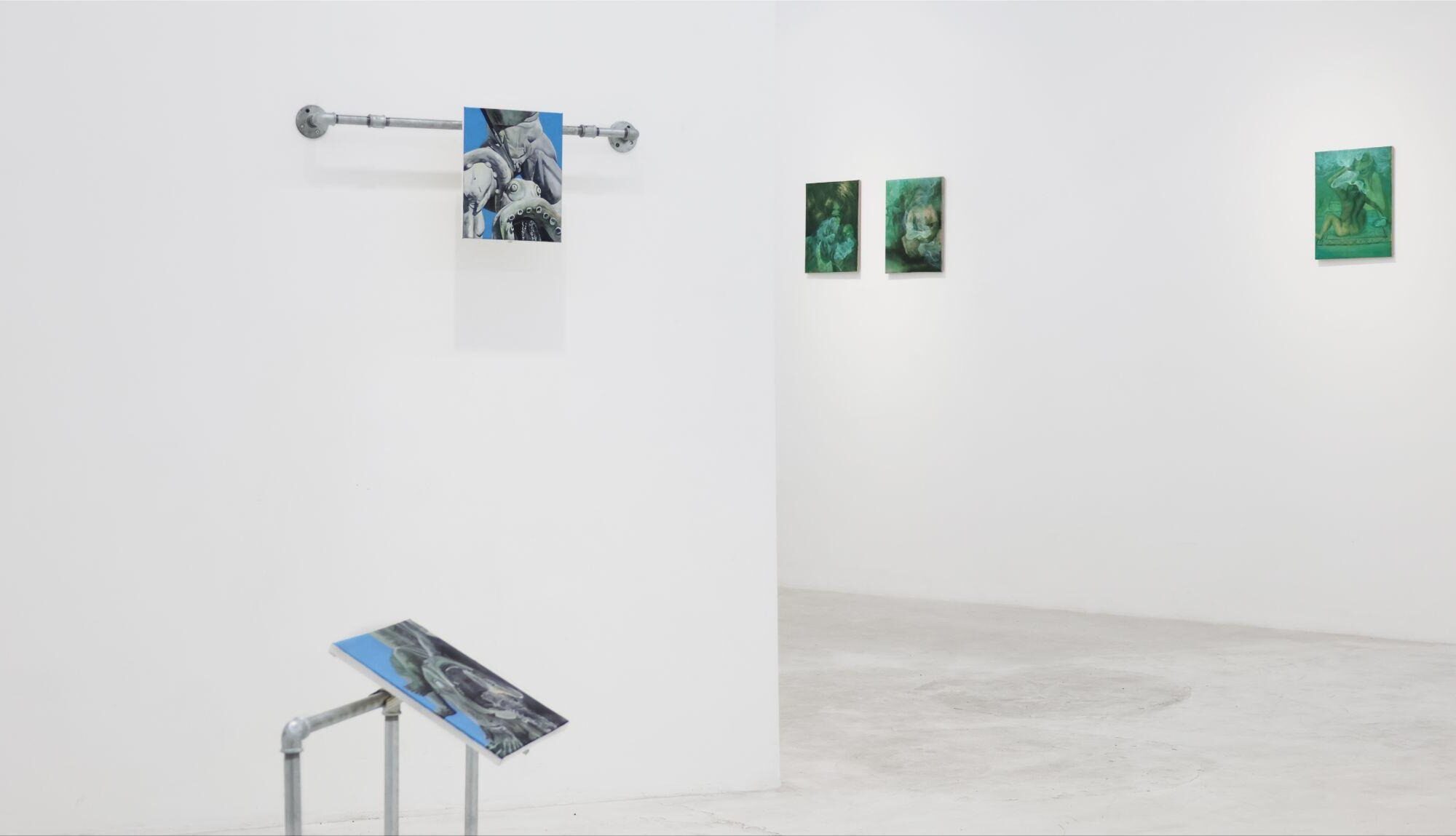
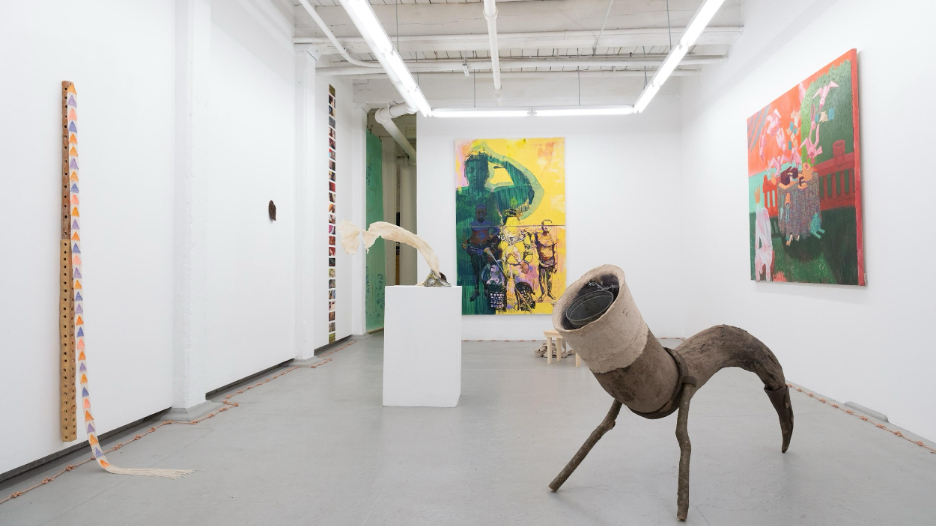
Diego Azzola, Huang Zhe, Installation view of He Spoke To The Birds

Presented at the AAIE Center for Contemporary Art in Rome, He Spoke to the Birds brings together works by Jeremias Rumpl, Diego Azzola, and Huang Zhe in an exhibition curated by Fanfan Yuxuan Fan. Taking its title from Carolyn Christov-Bakargiev’s reflection on Saint Francis of Assisi and Arte Povera, the exhibition asks what it might mean to listen not only to human voices, but also to birds, ruins, pipes, smoke, and matter itself.

Continue reading “Interview for He Spoke to the Birds: Matter, Memory, and Nonhuman Voices”

The Biennale That Broke Itself

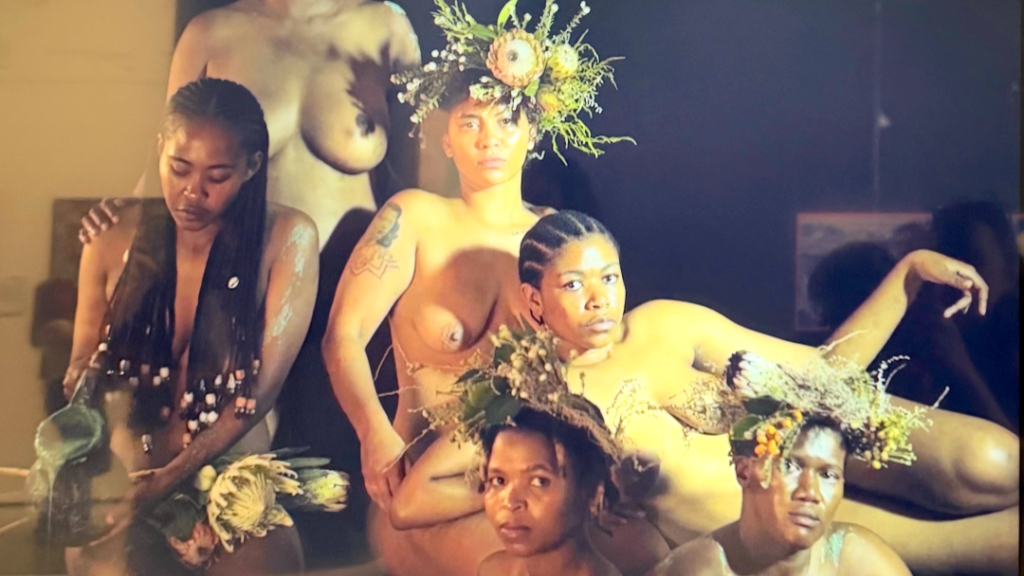
Kambui Olujimi, In Minor Keys

The 61st International Art Exhibition arrives in grief, political fury, and institutional crisis. It is one of the more galvanizing editions in recent memory.

The lagoon light still flatters everything it touches, but this year, Venice has the feel of a city that stayed up too late arguing. May 7, 2026 — the one morning of the press preview period spared by both rain and protest — was the kind of day Venice is famous for: blue sky and large cinematic cumuli drifting above the Queen of the Adriatic. Police stood watch outside the Israeli and Russian pavilions. The queues at the Giardini were long; those at the Arsenale were longer. In years of attending press previews, I have rarely encountered such a congested or physically demanding environment — the crowd, indistinguishable from a general-public opening, consumed by the compulsive and indiscriminate act of photographing everything in sight.

Continue reading “The Biennale That Broke Itself”

Pouch Power Women: with Brenda Zlamany

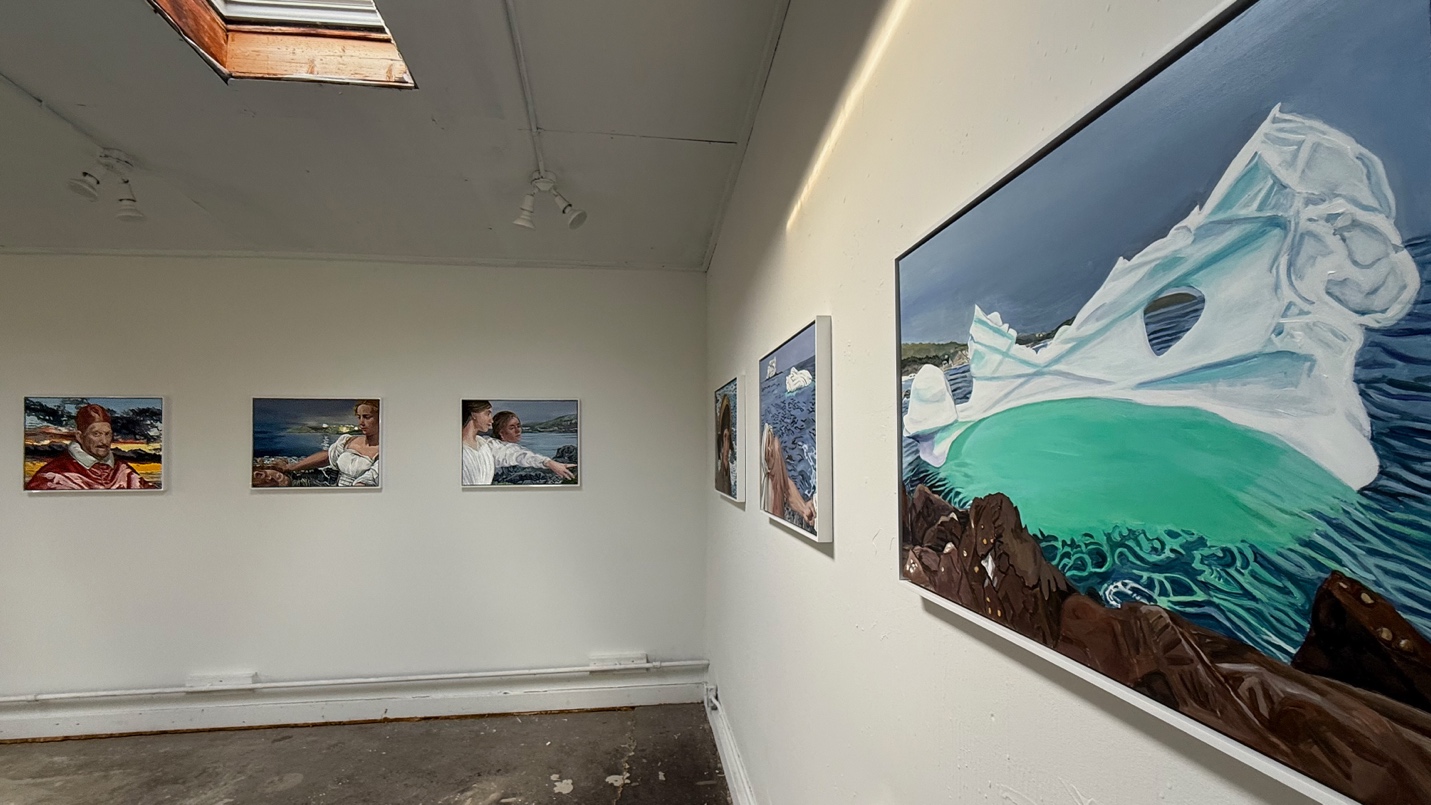
Installation view, Seven Women Chase Icebergs, The Re Institute

What starts as an open call and a group text to trusted friends becomes, two years later, an exhibition that feels inevitable. Seven Women Chase Icebergs, on view at The Re Institute in Millerton, NY, brings together seven painters whose friendships span decades and continents: Rome, Skowhegan, Triangle, Braziers. Organized by Brooklyn-based artist Brenda Zlamany — creator of The Itinerant Portraitist and a painter whose practice has long centered on community as both subject and method — the show grew from a month-long residency at Pouch Cove, Newfoundland, where the group painted, hiked, shared meals, and chased icebergs along the edge of the Atlantic. We spoke with Zlamany about friendship as curatorial logic, landscape as psychological mirror, and what it means to build something together at the edge of the world.

Continue reading “Pouch Power Women: with Brenda Zlamany”

Voices In Minor Keys: 2026 Venice Biennale

In Minor Keys, the central exhibition of the 61st Venice Biennale, arrived with a quiet proposition. The late curator Koyo Kouho envisioned a show that reflects practices requiring time and sustained commitment — some of them lifetime, even generational — and in doing so created a deliberate antithesis to the Biennale spectacle. Drawing almost exclusively on artists from Africa, the Middle East, and the Caribbean, the exhibition is anchored in political concerns — identity, immigration, the environment — yet so many of the works felt personal, while reaching toward art history and even toward Venice itself. What follows is an account of its visual depth and strength.

Continue reading “Voices In Minor Keys: 2026 Venice Biennale”

A Studio That Became a Gallery: 81 Leonard

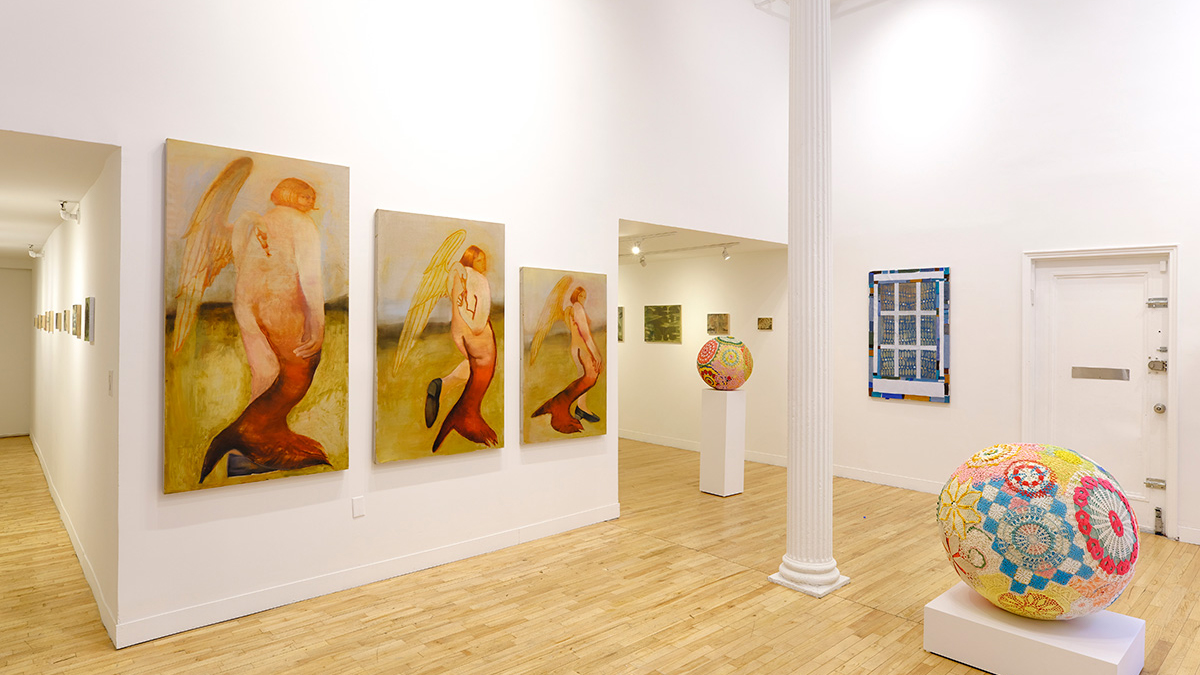
What began as Nancy Pantirer’s studio in 1996 has grown, over nearly three decades, into a gallery with a clear sense of purpose. Rooted in years of open studios and informal salon gatherings, 81 Leonard formalized its public presence in 2019, building a platform shaped by artists, for artists. Co-run with Hannah Rothbard, the gallery supports emerging and mid-career artists at pivotal moments in their careers, with a program that prizes beauty, technical competence, and community. Group shows grow organically from the artists themselves. We spoke with Nancy Pantirer and Hannah Rothbard about how 81 Leonard came to be, what drives its program, and what it means to run a gallery with no plans to be anywhere else.

Continue reading “A Studio That Became a Gallery: 81 Leonard”

Funny Weather at Kunstraum: Upheavals and new assumptions

In the exhibition Funny Weather, curated by Imogen Aukland, four artists present distinct takes on reconstructions and uncertainty. A timely, unsettled feeling meanders through the space — sculptures that depict typically threatening objects unexpectedly softened, or photos that capture moments that physically change as you walk around them. Both the unexpected and a sense of upheaval are prominent themes throughout, whilst also giving us a “weather forecast” that changes by area, mood, and experience. This grants viewers the opportunity to question what art does: what an art object stirs within us, and how much our assumptions about something can shift when viewed from different perspectives.

Continue reading “Funny Weather at Kunstraum: Upheavals and new assumptions”

Run by Artists, Built for Artists: OyG and the Cornell MFA

What does a gallery look like when the artists are in charge? Founded in 2013, Ortega y Gasset Projects (OyG) is an artist-run collective with no fixed curatorial line and a non-hierarchical structure shared equally among its eight co-directors. Since 2023, it has become the annual New York home for Cornell University’s MFA thesis exhibition — a partnership built on a simple premise: artist-run spaces value experimentation, innovation, and risk-taking, giving graduate artists the freedom to present work without commercial constraints or curatorial imperatives.

Continue reading “Run by Artists, Built for Artists: OyG and the Cornell MFA”

The Absence is in the Fingers 

There are exhibitions shaped less by what is installed than by what fails to arrive. I did not plan for this to be one of them. Where Form Remembers was conceived as a two-person presentation: Julie Gladstone’s mixed-media works traveling from Toronto, Avani Patel’s drawings from Brooklyn. The premise was a dialogue between two practices in proximity, each distinct enough that the distance between them would produce something worth engaging over time. What it became was different.

Continue reading “The Absence is in the Fingers “