Transcendence at FOU Gallery

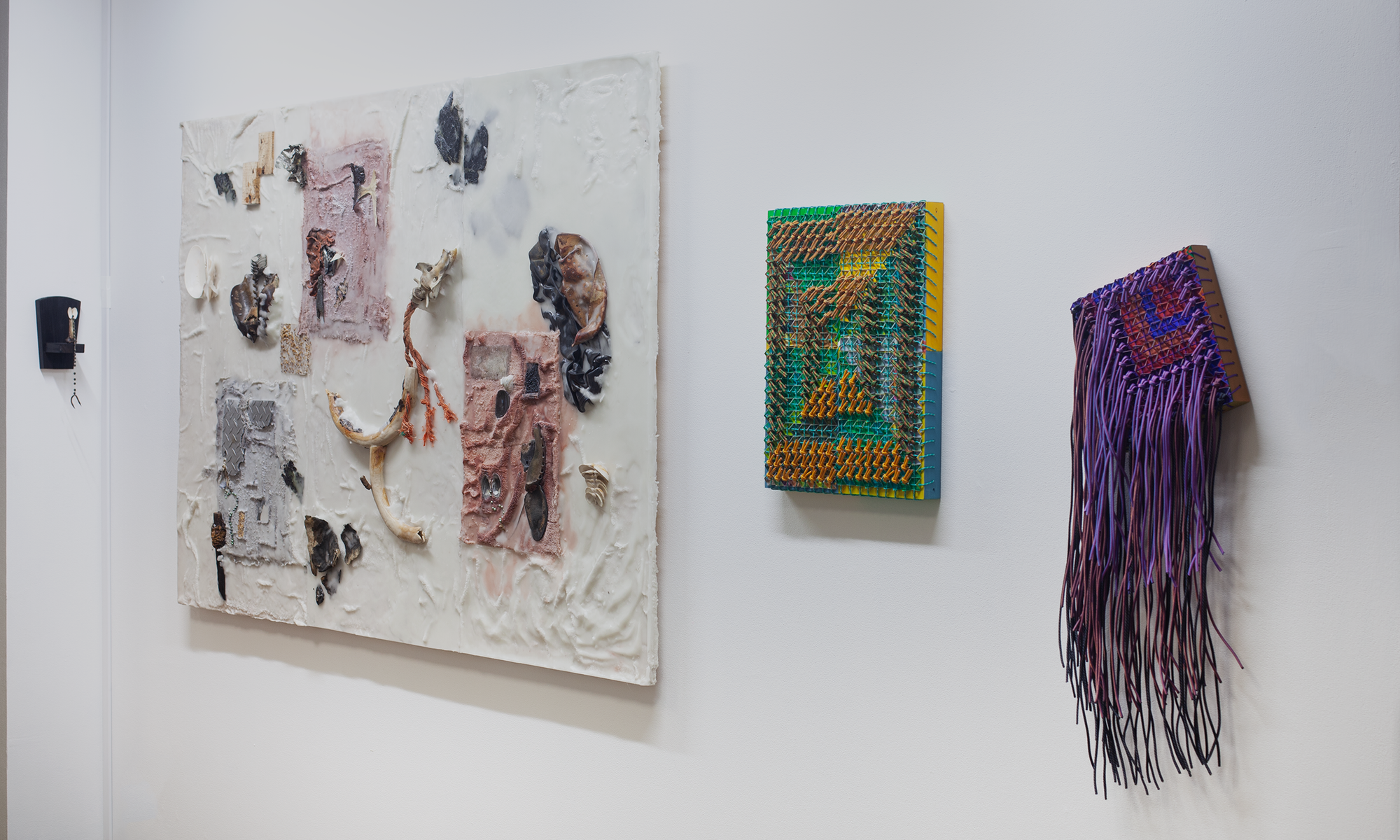
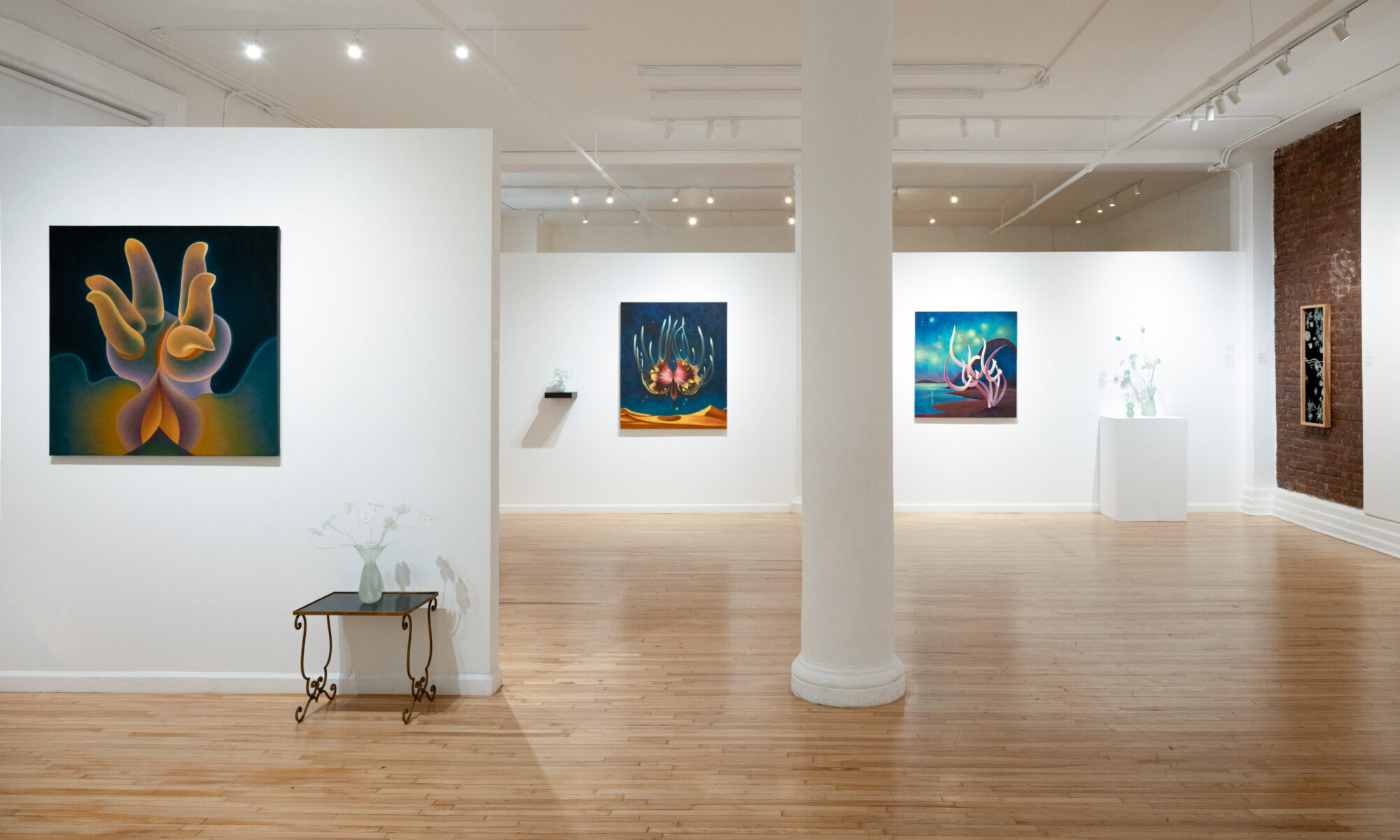
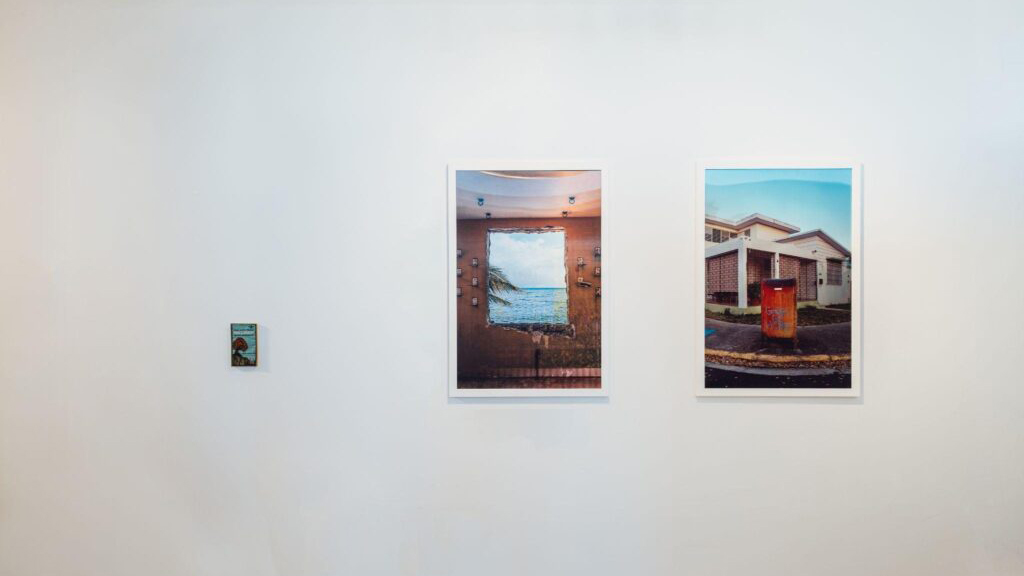
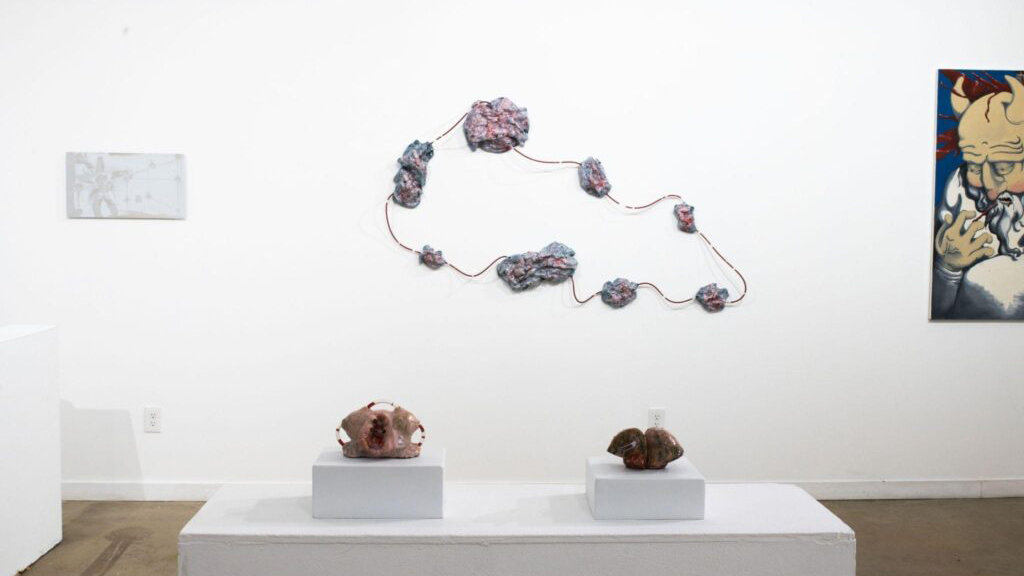
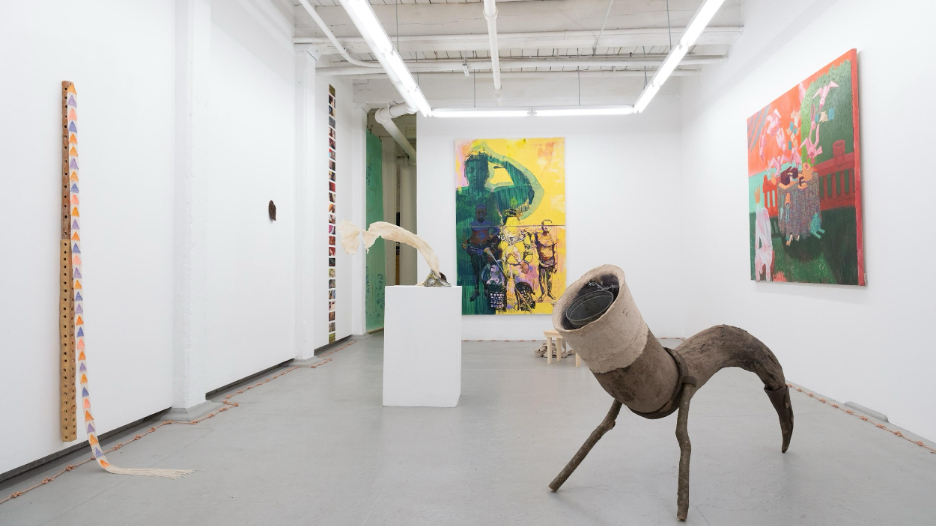
Group exhibition: Transcendence installation view, 2026. Photography by Jiaqi, courtesy of Fou Gallery

Transcendence, a group exhibition of sculptures and paintings, is curated by Helena Jin and on view at FOU Gallery from July 11 – September 5, 2026. The artists Tianshu Zhang (张天舒), Gloria Fan Duan (樊段晓春), and Tao Xian (陶显) explore the show’s theme of transcendence in vastly different formal ways. Despite Helena Jin’s scholarly background in researching Buddhist art history, the type of transcendence posed by the show is distinctly secular; while some of the artists reference East Asian tradition and symbolism, the “beyond” or spiritual is achieved through individual artistic approaches to color and form.

Continue reading “Transcendence at FOU Gallery”

Do I Know You From Somewhere? at Transmitter: Alison Kudlow, Susan Meyer, Hanna Washburn, and Se Young Yim 

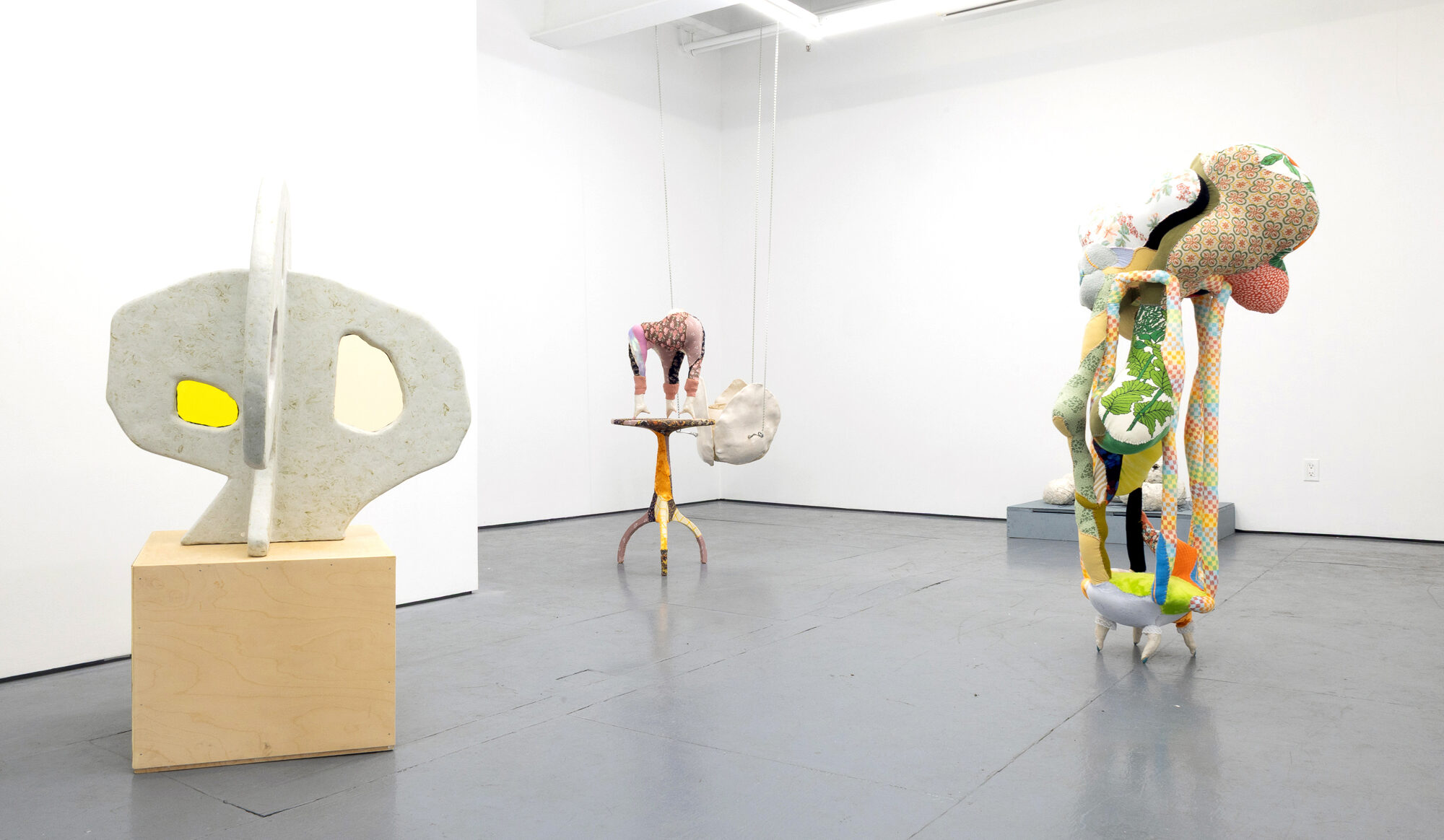
Entering the bright gallery space, shared with Tiger Strikes Asteroid on the other side of the wall, you are welcomed by brightness and playfulness. Like walking into a kindergarten classroom, a playroom, or a yoga studio, the sculptural inhabitants are cordial yet also preoccupied with themselves. It is no coincidence that the curator and three of the artists are mothers who spend time with children. 

Continue reading “Do I Know You From Somewhere? at Transmitter: Alison Kudlow, Susan Meyer, Hanna Washburn, and Se Young Yim “

Melora Kuhn’s Power of Erasure and Material Revision

Melora Kuhn, Eruption

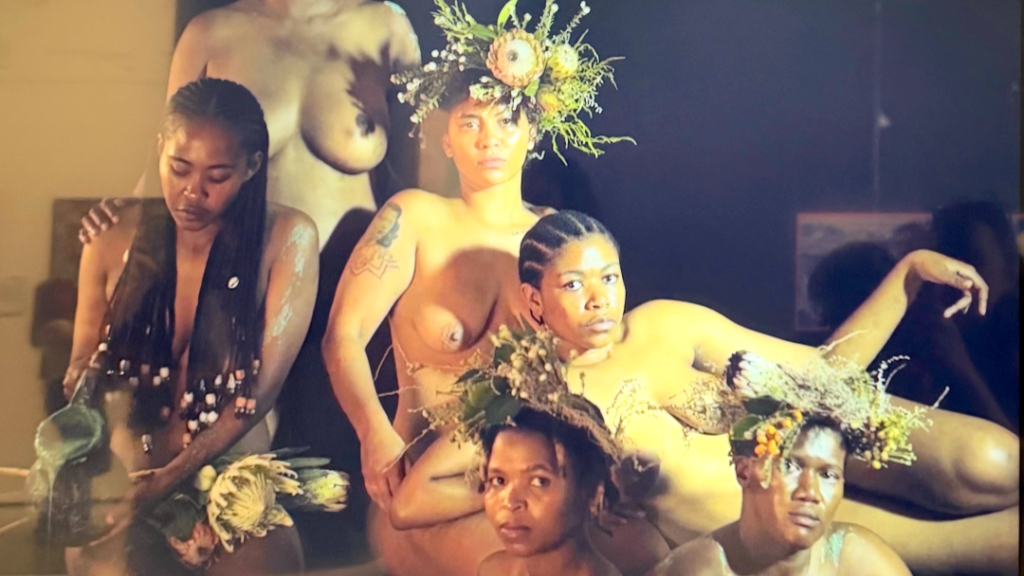
History has always depended on materials. Marble, oil paint, bronze, woodcuts, engravings, museum vitrines, and photographic reproductions preserve the past as well as determine how events, ideas, and narratives are represented. Over time, images become durable, gaining a certain kind of truth value because they acquire material permanence and spread through copies. Mythological heroines, biblical women, allegorical figures, and historical subjects return across centuries through the persistence of artistic media, carrying with them the assumptions, hierarchies, and ideologies embedded in their forms. Melora Kuhn‘s solo exhibition, The Legacy of Disembodiment, on view at Private Public Gallery, starts with the recognition that if representation has helped naturalize and proliferate the narratives these images and forms carry, then materials themselves can be a site of political intervention.

Continue reading “Melora Kuhn’s Power of Erasure and Material Revision”

The Whole Water of a River at TSA Brooklyn with Byron Toledo

The Whole Water of a River, installation view

A dead opossum lying in a fetal position along a contaminated riverbank in Quito became, for Byron Toledo, both an encounter and a sculpture. That moment, tender and violent at once, is at the heart of The Whole Water of a River at Tiger Strikes Asteroid Brooklyn, an exhibition that follows the Machángara River from its mountain source through the city. Ceramic animals, distilled plant aromas, and sound recordings gathered along the watershed map the river as a living system that connects hills, ravines, plants, people, and the city itself. The project carries unusual stakes: in 2024, an Ecuadorian court ruled that the rights of the Machángara had been violated, a ruling for which Toledo’s own video work served as evidence. We spoke with the artist about walking the river, collaborating across disciplines, and what it means to make art inside an ecosystem fighting to survive.

Continue reading “The Whole Water of a River at TSA Brooklyn with Byron Toledo”

Voices In Minor Keys: 2026 Venice Biennale

In Minor Keys, the central exhibition of the 61st Venice Biennale, arrived with a quiet proposition. The late curator Koyo Kouho envisioned a show that reflects practices requiring time and sustained commitment — some of them lifetime, even generational — and in doing so created a deliberate antithesis to the Biennale spectacle. Drawing almost exclusively on artists from Africa, the Middle East, and the Caribbean, the exhibition is anchored in political concerns — identity, immigration, the environment — yet so many of the works felt personal, while reaching toward art history and even toward Venice itself. What follows is an account of its visual depth and strength.

Continue reading “Voices In Minor Keys: 2026 Venice Biennale”

Funny Weather at Kunstraum: Upheavals and new assumptions

In the exhibition Funny Weather, curated by Imogen Aukland, four artists present distinct takes on reconstructions and uncertainty. A timely, unsettled feeling meanders through the space — sculptures that depict typically threatening objects unexpectedly softened, or photos that capture moments that physically change as you walk around them. Both the unexpected and a sense of upheaval are prominent themes throughout, whilst also giving us a “weather forecast” that changes by area, mood, and experience. This grants viewers the opportunity to question what art does: what an art object stirs within us, and how much our assumptions about something can shift when viewed from different perspectives.

Continue reading “Funny Weather at Kunstraum: Upheavals and new assumptions”

Hospitality, Narrative Grace, and the Warm Head

Derrida once pursued the question of hospitality. Can you welcome someone whose name you do not yet know? Can you open the door before knowing who is arriving? If you can, the welcome is sincere; if you cannot, hospitality has already become part of border management. Unconditional hospitality is therefore always impossible: if the host retains sovereignty, they cannot be fully open; if they become fully open, they are no longer the host. The name thus becomes the first step in the subject’s enclosure. This exhibition is built precisely upon this impossibility.

Continue reading “Hospitality, Narrative Grace, and the Warm Head”

Run by Artists, Built for Artists: OyG and the Cornell MFA

What does a gallery look like when the artists are in charge? Founded in 2013, Ortega y Gasset Projects (OyG) is an artist-run collective with no fixed curatorial line and a non-hierarchical structure shared equally among its eight co-directors. Since 2023, it has become the annual New York home for Cornell University’s MFA thesis exhibition — a partnership built on a simple premise: artist-run spaces value experimentation, innovation, and risk-taking, giving graduate artists the freedom to present work without commercial constraints or curatorial imperatives.

Continue reading “Run by Artists, Built for Artists: OyG and the Cornell MFA”

Kosuke Kawahara’s Without Innocence, Dissecting and Reassembling at RAINRAIN Gallery

Kosuke Kawahara, Untitled

Stepping into the exhibition Without Innocence at RAINRAIN gallery, you are greeted with a plethora of various mediums, ideas, influences, and experimentations. The paintings carry with them several levels of looking, small details to explore, and multiple dimensions within the edges. The photographs set the scene, allowing you to enter another space just as the paintings do, left to explore the worlds that Kawahara creates and builds within it all. The press release introduces a quote from Donna Haraway’s A Cyborg Manifesto, “…we are living through a movement from an organic, industrial society to a polymorphous, information system—from all work to all play, a deadly game (p 28).” This statement lingers alongside my thoughts throughout the exhibition, as I begin to notice more details, connections, and mechanisms that make this exhibition immensely similar to a cyborg in the making. Kawahara takes pieces of the body and fractions of different spaces within the canvas to build something entirely new out of all of these information systems. 

Continue reading “Kosuke Kawahara’s Without Innocence, Dissecting and Reassembling at RAINRAIN Gallery”

At Some Point, Every Household Object Stops Being Innocent

No one ever thinks the plate is going to become a problem.

A plate survives three apartments and one bad Thanksgiving. A suitcase gets hauled across borders or shoved beneath beds; sometimes it is packed in hope, sometimes because someone has no choice. An iron presses school clothes and funeral clothes, then outlives its usefulness and sits in a closet somewhere, still holding the pressure of human hands.

That is the animating idea behind extraORDINARY things, the quietly arresting exhibition at the Flinn Gallery in Greenwich Library.

Continue reading “At Some Point, Every Household Object Stops Being Innocent”