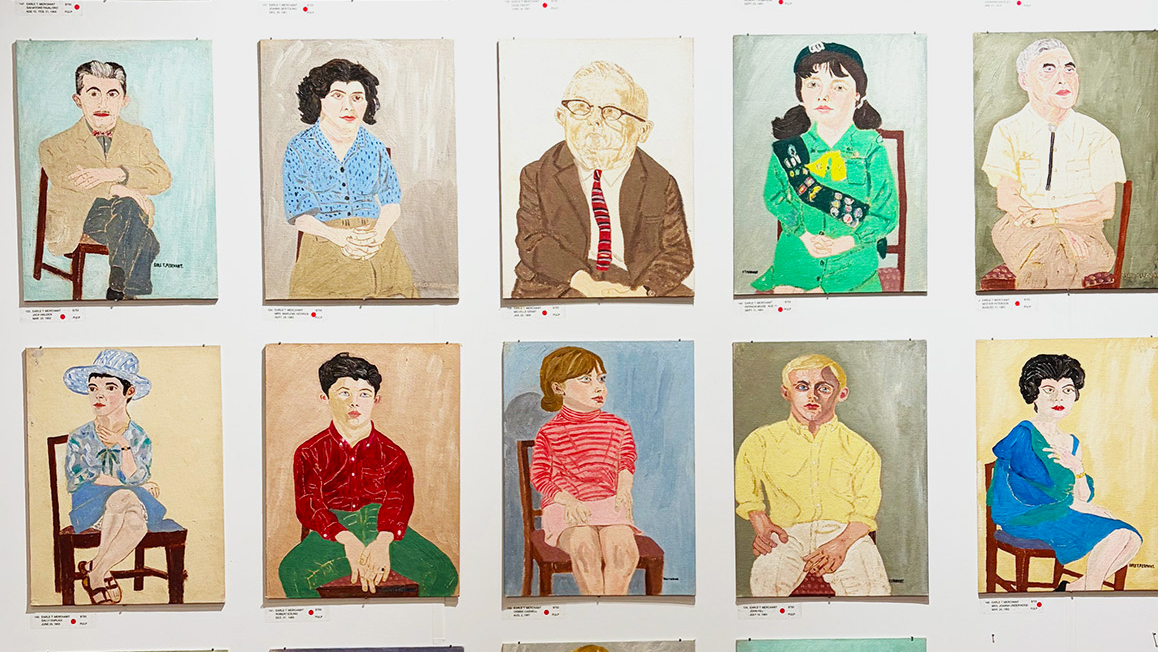
I have been going to the Outsider Art Fair almost every year since it first opened at The Puck Building in 1993. As with most aspects of the art world, much has changed in the field of outsider art and at the fair, its leading annual exhibition. Long gone are the giddy days of discovering artists such as Howard Finster, Adolf Wolfli, Mary T. Smith, and Judith Scott (to name a few). These are now blue-chip outsider or self-taught artists whose work is collected by major institutions and collectors, and rightly so. “Outsider” has become insider and the genre a mainstay of the art world, A kind of artistic oxymoron, some of the most “established outsider artists” command major prices.
Continue reading “Reflections on The Outsider Art Fair 2026”Vuillard Was Already in the Future
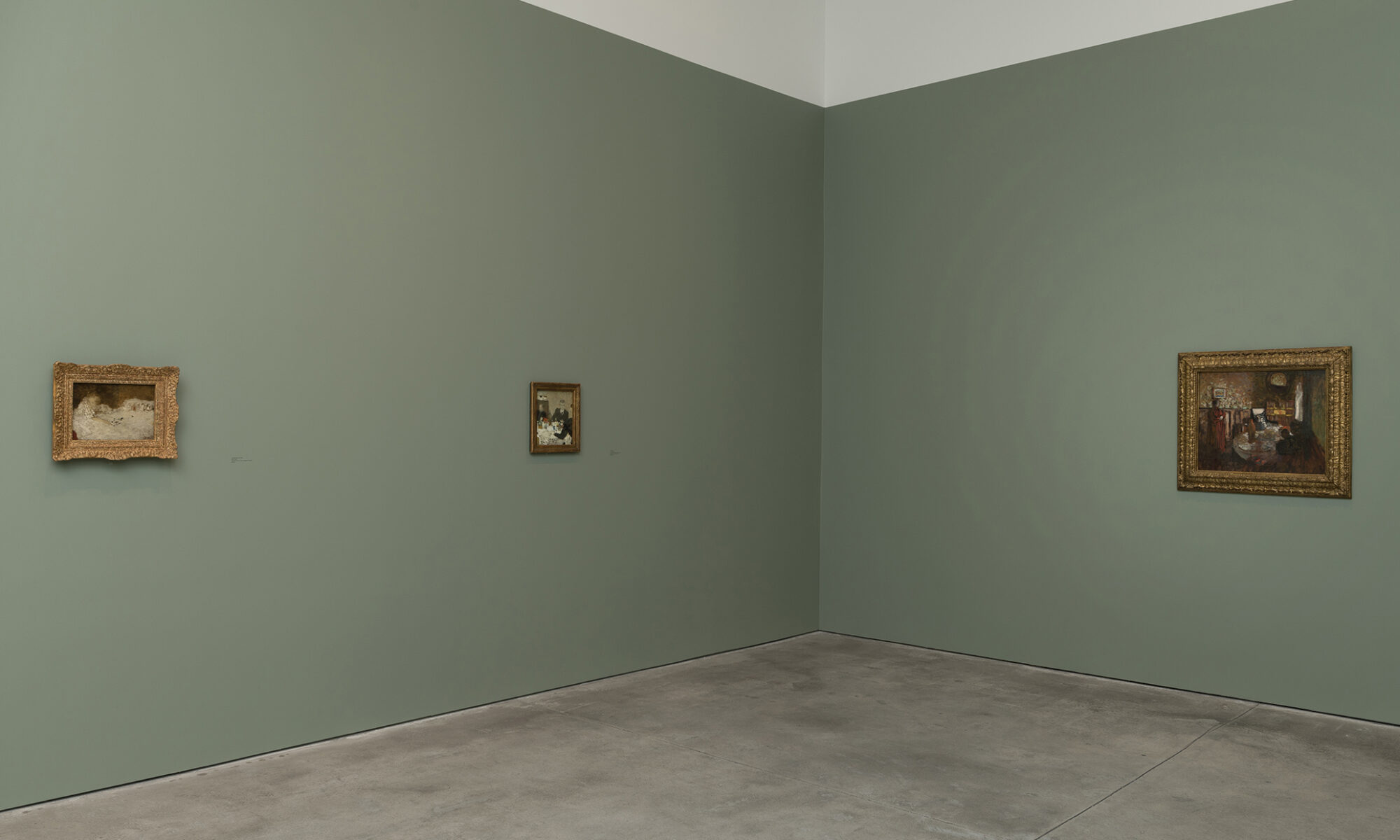
After the Impressionists blew open painting and reset Paris, rearranging everyone’s eyes, one might assume the dust would take a minute to settle. But almost immediately, a cluster of kids at the Académie Julian decided to reroute the whole thing again. Among them, Édouard Vuillard. To get to Vuillard, one must start with Paul Sérusier and Paul Gauguin standing by a lake in Brittany.
Continue reading “Vuillard Was Already in the Future”Call Of The Mountain
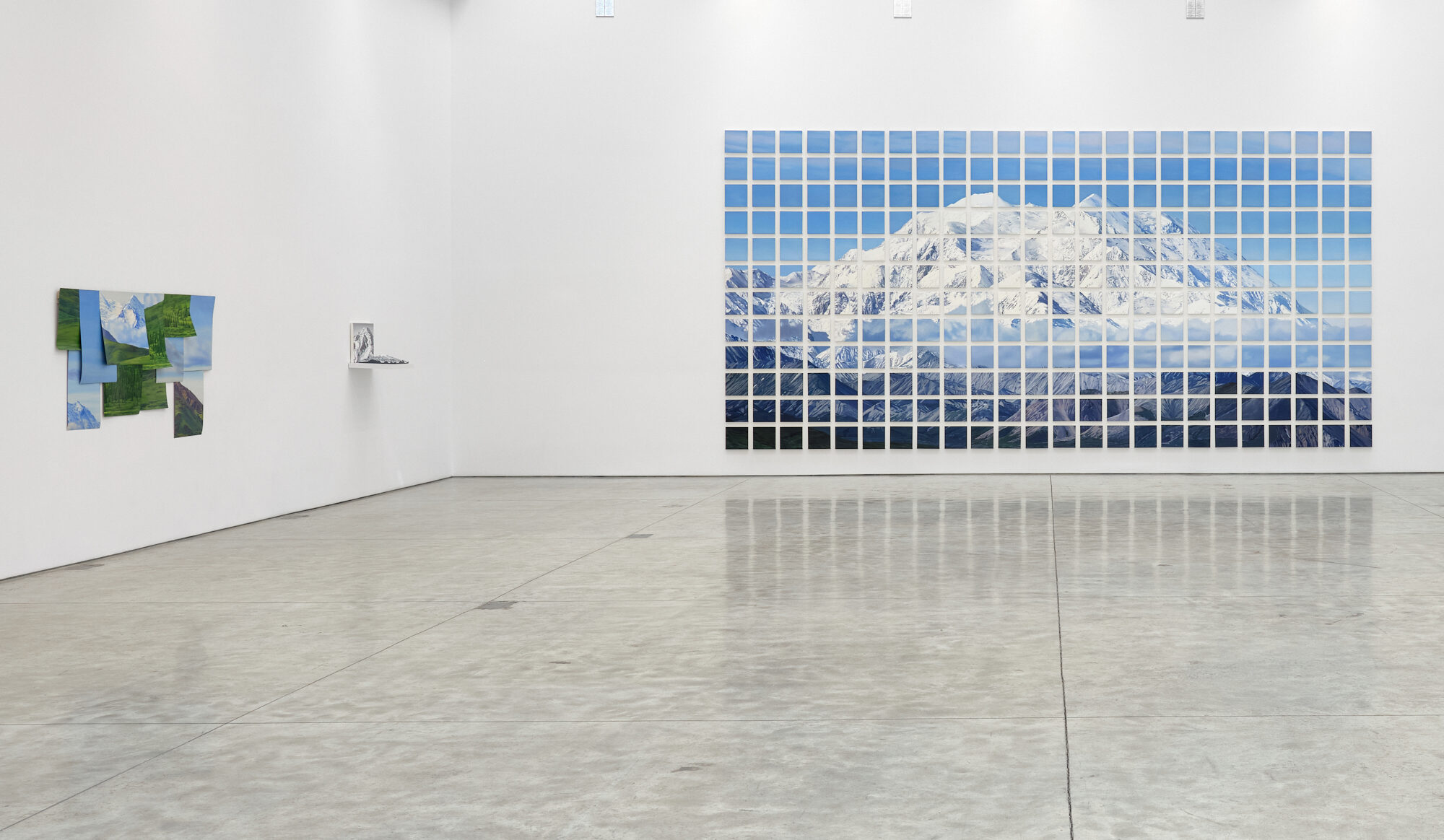
In Cynthia Daighnault’s exhibition at Olney Gleason, the walls are covered with different versions of the same subject: Denali, the tallest mountain in North America. A natural wonder and a national treasure at risk, Denali has lost over 60 percent of its glacier mass, and rising temperatures have accelerated permafrost thaw and disrupted local ecosystems, directly affecting the wildlife that depend on it. The paintings in this exhibition preserve their likelihood like the sculpture of the last three rhinos (by Gillie and Marc, now installed at 441 Ninth Avenue), but this documentation of endangered species contains an underlying criticism of American megalomania, without escaping the artist’s own American identity and ambitions. A big, beautiful white thing, Denali’s demise mirrors the nation’s uncertain future and the accumulative effect of its past.
Continue reading “Call Of The Mountain”Qiu Xiaofei: The Theater of Wither and Thrive at Hauser & Wirth
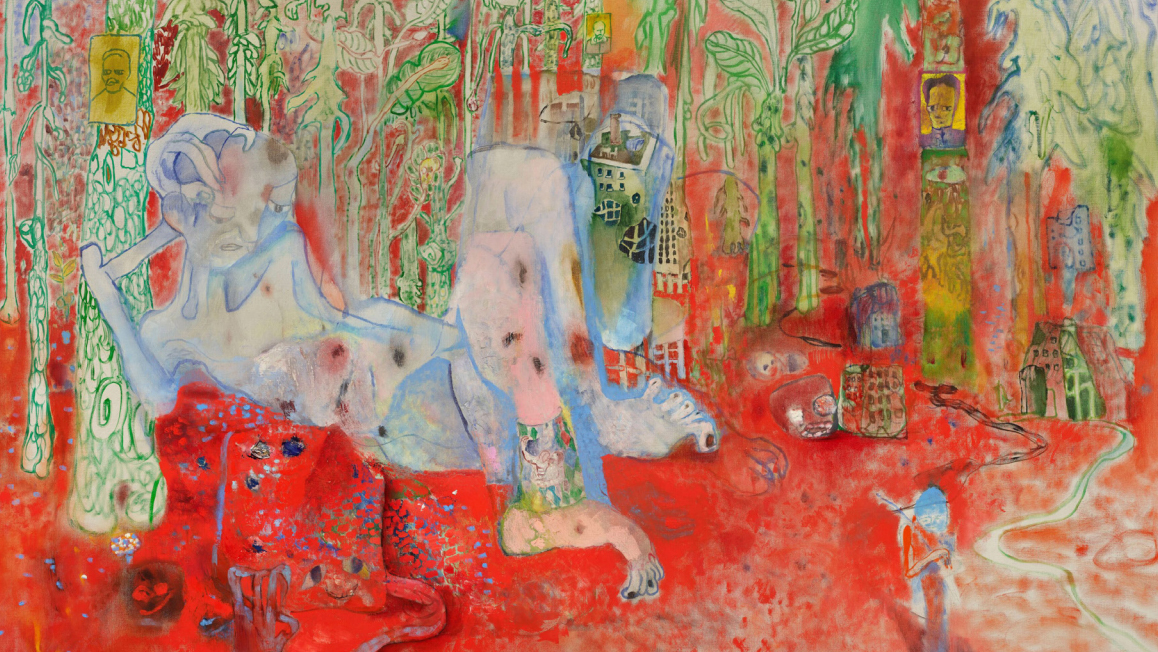
At first glance, Qiu Xiaofei’s paintings appear weightless, washed in vaporous blues and fractured light. They hover between memory and dream, suspended in a luminous haze. But sustained looking alters the experience. The mist does not dissolve — it thickens. What seemed ethereal becomes anatomical. The viewer descends from the sky into the soil, and then further still into the ruptured systems, broken bodies, and unstable architectures that structure human existence. Beneath the atmospheric softness lies something closer to the bowels of what we call life: exposed nerves of paint, skeletal fragments, windows that stare back like watchful eyes. The work stages, narrates, and exposes modes of excavation.
Continue reading “Qiu Xiaofei: The Theater of Wither and Thrive at Hauser & Wirth”Jonathan Syme Coaxes Spirit from Matter at Royale Projects

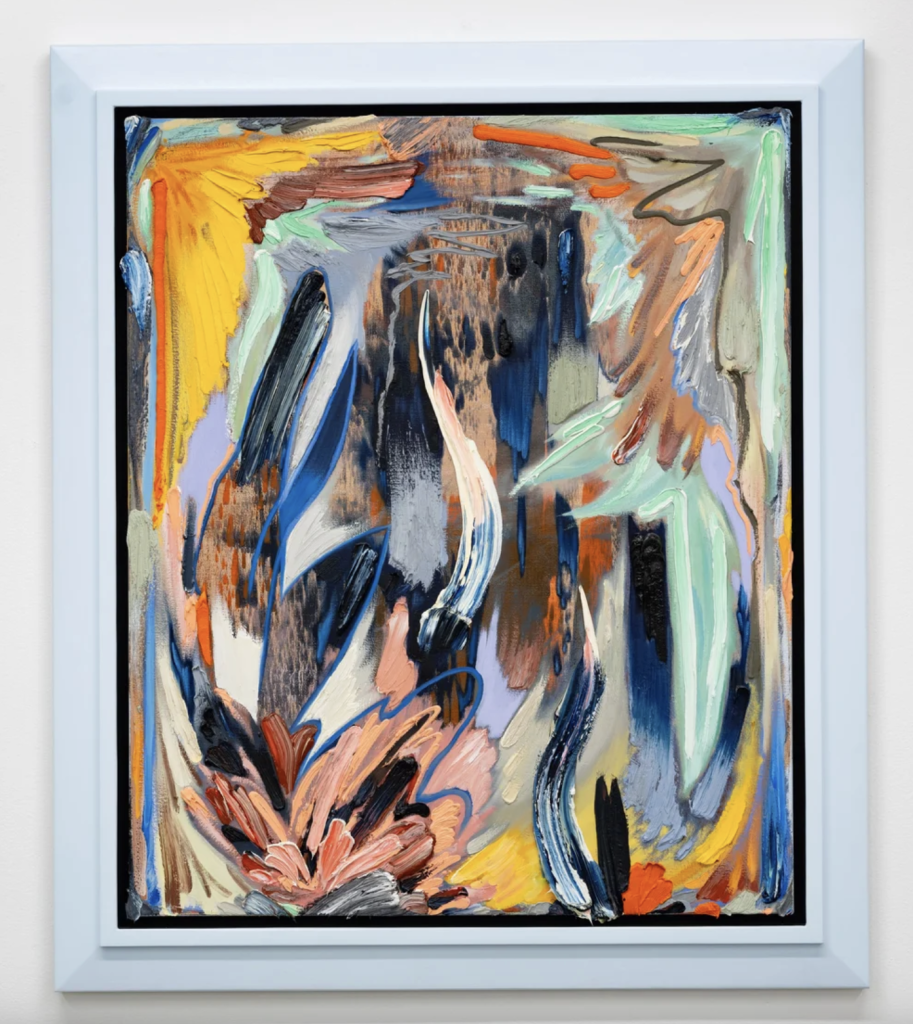
Jonathan Syme paints like someone coaxing spirit from matter—a phrase that sounds mystical until you’re standing in front of the work, where it becomes simply descriptive. As restless as they seem, his canvases don’t argue or perform; they resonate, like a vibration passed through the soles of your feet. Thick skeins of paint are unearthed, revealing strata in a geologic dig of intuition. There’s a kind of archaeology to the gesture: gouges, stains, and eruptions of impasto build a type of sedimentary record, chronicling attention. The eye slows down, and with it, thought.
Continue reading “Jonathan Syme Coaxes Spirit from Matter at Royale Projects”Jenny Holzer’s Hypocrisy
Opinion

“I want people to concentrate on the content of the writing and not ‘who done it.’ I want the work to be of utility to as many people as possible. And I think if it were attributed to me, it would be easier to toss.”
Quote by Jenny Holzer from Art21
Recently, I wrote an opinion piece on the suspect politics of Maurizio Cattelan’s show at Gagosian Gallery — it questioned why successful artists who make political claims for their work do not use their privilege to engage in direct political commentary and action rather than critique by analogy. I’m not suggesting they need to engage in social practices like Mel Chin or Tania Bruguera; I think artists like Cattelan can be more direct in their criticism or more like Theaster Gates, who acknowledges the contradictions and privilege that comes with his success to the degree that he openly differentiates between museums and institutional exhibits that permit him to experimentation and his gallery exhibits that afford him market engagement. Meanwhile, while those works have an implied politic, he is an activist who focuses on community development, which is realized through his Chicago-based Rebuild Foundation, which is a platform for cultural development and neighborhood transformation. This multifaceted approach enables Gates to navigate and influence both the art world and broader societal issues without collapsing one into the other.
Continue reading “Jenny Holzer’s Hypocrisy”Whisperings from the Wormhole with @talluts
Some Thoughts About Portrait Artist of the Year, a British TV Show

One of my guilty pleasures is binge-watching creativity reality shows, especially from the UK. We’ve got the Great Pottery Throw Down, where the judge, a great hulking potter in overalls with a Wallace and Gromit face, bursts into tears every time he sees a beautifully made ceramic. There’s Blown Away, a glass-blowing show with lots of macho folk blowing glass sweatily. And there’s Landscape Artist of the Year. But my all-time favorite is Sky Art’s Portrait Artist of the Year.
Continue reading “Whisperings from the Wormhole with @talluts”Whisperings from the Wormhole with @talluts
Let’s Keep Thinking About Pollyanna

Have you heard about a mysterious note found among Richard Diebenkorn’s papers that he made for himself in his later years? It’s a motivational studio credo titled Notes to Myself on Beginning a Painting and is comprised of ten tips. All ten are fascinating to think about, but number eight is the most enigmatic:
“Keep thinking about Pollyanna.”
Continue reading “Whisperings from the Wormhole with @talluts”Amy Talluto Describes a Munch Print – Towards the Forest II
Meditation on a Munch Print

“An eyewitness described Edvard Munch supervising the print of a colour lithograph in 1896. He stood in front of the stones on which the head of a masterpiece was drawn. He then closed his eyes tightly, stabbed the air with his finger, and gave his instructions. ‘Print… grey, green, blue, brown.’ Then he opened his eyes and remarked, ‘Now it’s time for a glass of schnapps.’ The whole performance, including the air of melodrama and that shot of spirits, was highly characteristic.”
-Martin Gayford, The Spectator
Continue reading “Amy Talluto Describes a Munch Print – Towards the Forest II”Amy Talluto Describes an Elisabeth Condon Painting – Dusk, 2023

Amy Talluto’s reflections on a painting by Elisabeth Condon were initially presented in an interview with the artist in podcast episode 59 for Pep Talks for Artists. Elisabeth Condon is a frequent guest on the show, contributing to the series Elisabeth Condon Describes a Painting. In conjunction with Condon’s solo exhibition and participation in the Untitled fair, both with Emerson Dorsch Gallery in Miami,[LINK: https://emersondorsch.com/] Amy interviewed Elisabeth and described Condon’s Dusk, 2023, acrylic and mediums on linen, 30 x 21 inches, a painting included in her show. Dusk will be on view at the gallery from December 3, 2023, through February 3, 2024, in the exhibition Tempus Fugit.
Continue reading “Amy Talluto Describes an Elisabeth Condon Painting – Dusk, 2023”