
New York-based artist, curator, and filmmaker D. Kessinger explores feminism across history through oil paint, wax, and Liquitex on linen, alongside her curatorial approach that focuses on collaborative and inclusive practices. Her current curation, GODDESSES 3.0, is on view at the Berrie Center Galleries at Ramapo College of New Jersey.
The exhibit highlights artists across generations who explore feminism within fine art, film, media, and the digital culture of the post-internet world. Kessinger’s curation not only echoes the past but also exhibits it alongside current feminist contemporary art, emphasizing the interconnected nature of multigenerational feminism. The exhibit meditates on ritual as reclamation, resistance, and resilience, and the body as a medium, message, and monument, a space where feminist ideologies harmonize across generations and set the tone for those to come.

The exhibition brings historical feminist practices into dialogue with contemporary work. How did you structure this intergenerational exchange? Can you give us a few examples of how you structured this intergenerational exchange?
GODDESSES 3.0 is structured as a conversation rather than a chronology. Historical feminist works are not presented as precursors but as active participants in dialogue with contemporary practices. Early feminist video, performance, and myth-based work are placed alongside artists engaging with digital culture, diasporic identity, and mass media. The exhibition foregrounds continuity and reinvention, positioning feminist strategy as an evolving, adaptive force rather than a closed historical chapter.
Dara Birnbaum’s Technology/Transformation: Wonder Woman (1978) is presented as a sustained critique of media representation. Shown in proximity to contemporary works addressing spectacle, visibility, and agency, it underscores how feminist strategies of interruption and appropriation remain urgent as platforms shift from broadcast television to online and digital formats.
Similarly, works by Mary Beth Edelson, Carolee Schneemann, and Nancy Spero are installed alongside contemporary artists in dialogue with feminist ideology. Feminist methodologies, including myth, revision, performance, image appropriation, and the politicized body, operate across generations as active strategies rather than historical artifacts.
Intergenerational dialogue is further grounded in a late-1990s film featuring Edelson in conversation with Spero and Schneemann. Produced and directed by Donna Rae Kessinger, the conversations reflect on feminist collaboration, artistic risk, and the importance of solidarity across generations.
The conversation series connects printed discourse, filmed exchange, and sculptural works, reinforcing the exhibition’s premise of feminist art as a continuous dialogue. Featured media includes Heresies: The Goddess Issue from Heresies Collective, exploring the intersection of art, politics, and women’s spirituality; Edelson’s digital print The Goddess Head; three previously unexhibited two-dimensional works by Schneemann; and works by Spero.
In addition to the works in the exhibition, there will be a special screening of Schneemann’s film Ask the Goddess.
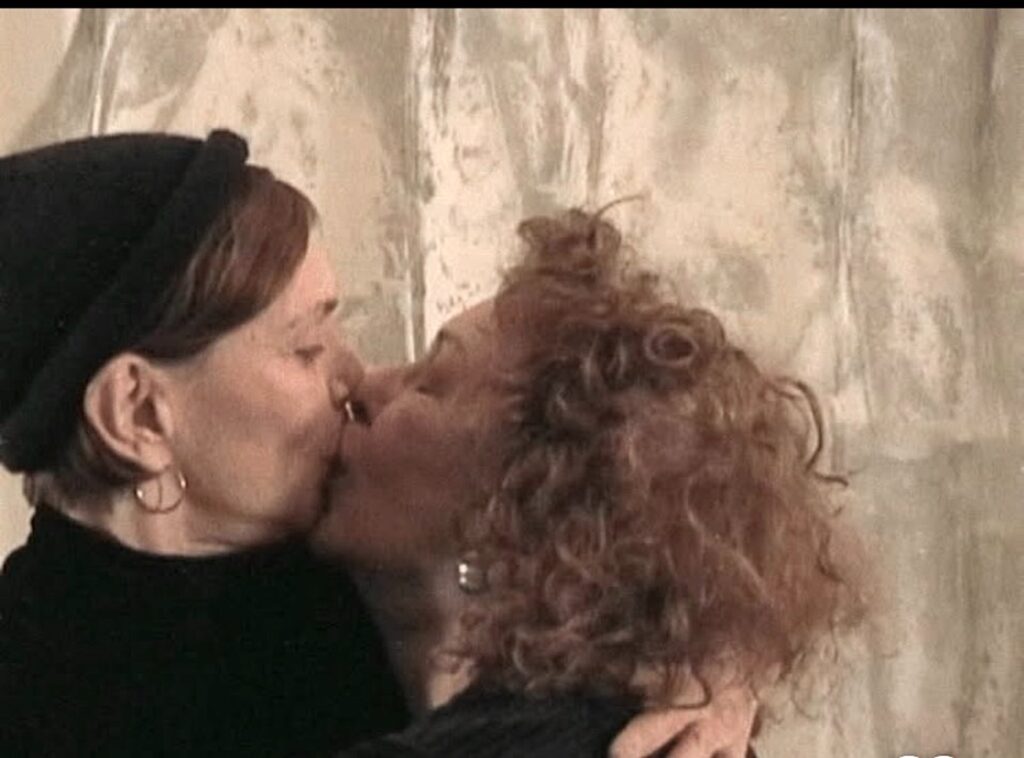
Ritual, embodiment, and resistance surface as recurring threads. Can you describe a couple of works in this context?
Ritual appears as a feminist strategy that reclaims knowledge systems historically marginalized or dismissed. Myrlande Constant’s work, grounded in Vodou cosmology and labor-intensive beadwork, asserts spiritual and ancestral presence as forms of cultural continuity and resistance. The goddess emerges here as a lived force tied to survival and collective memory.
Embodiment is foregrounded through works that position the body as a site of political meaning. Schneemann’s legacy works insist on the body as both subject and medium of resistance. In dialogue with contemporary video and performance practices in the exhibition, her work clarifies how feminist artists continue to negotiate visibility, vulnerability, and agency. Across the exhibition, the body is not neutral. It is regulated, contested, ritualized, and reclaimed.
As feminist discourse continues to evolve, what does GODDESSES 3.0 propose for the present moment—and how do you see the exhibition contributing to ongoing conversations around feminist futures in art?
GODDESSES 3.0 proposes the goddess as an evolving framework rather than a fixed archetype. In a political climate marked by renewed attacks on bodily autonomy, cultural censorship, and contested histories, the exhibition insists on feminist art as a space of critical resistance.
The “3.0” signals continuation and revision. Feminist discourse adapts to new social, political, and technological conditions. By bringing multiple generations into direct dialogue, the exhibition emphasizes accountability to history while remaining responsive to the present.
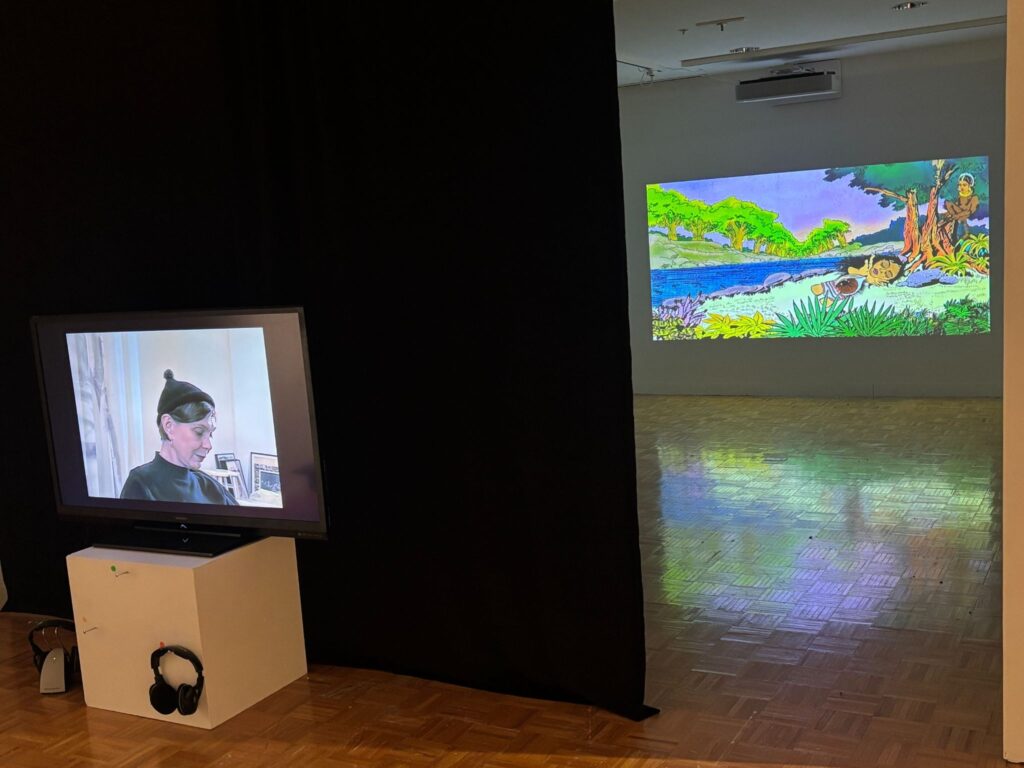
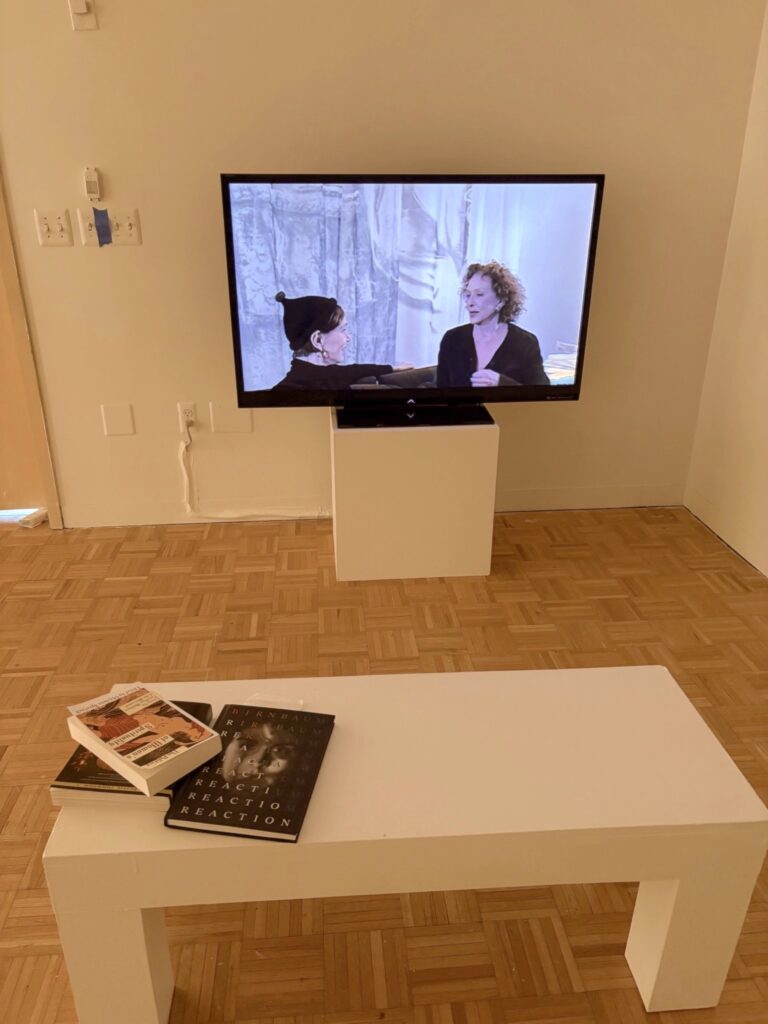
GODDESSES 3.0 at Barrie Center, Ramapo college
February 27 @ 1:00 pm – April 10
curated by Director of the Art Galleries Sydney Jenkins and feminist artist and curator Donna Kessinger.
About the curator: D. Kessinger is an artist, curator, and award-winning filmmaker based in the New York metropolitan area. Her work explores feminist histories through textured material practices using traditional and water-based oil paint, Liquitex, and wax media on linen. Kessinger’s curatorial work emphasizes collaboration with artists, institutions, and cultural leaders through inclusive exhibition and archival practices.
She is known for video art and oral herstory interviews documenting feminist figures including Mary Beth Edelson, Nancy Spero, Janet Henry, Carolee Schneemann, and Kate Millett, contributing to the preservation of feminist cultural history.
Her films have screened at the Jersey City Museum, RedSaw Gallery (Newark), the Benjamin J. Dineen III and Dennis C. Hull Gallery, Gardenship Drive-In, Wavelength Pandemic Projects, and through ARTFEM.TV. Her video Les Biens is archived in the Rhizome ArtBase at the New Museum, and her REPOhistory sign design is held in the NYU Fales Library and Special Collections. @dkessingerarts
About the writer: Ella Jackson is a New York–based painter and creative, serving as Editorial Coordinator at Art Spiel and as gallery assistant at Plato Gallery. She earned her Bachelor of Fine Arts in Painting from Pratt Institute, where she developed a rigorous studio practice grounded in compositional exploration and critical dialogue. Her curatorial work includes an exhibition at The Blanc Gallery, and her artwork has been presented in shows such as her solo exhibition at Steuben Gallery and a group exhibition at IW Gallery. @ellagracejackson_