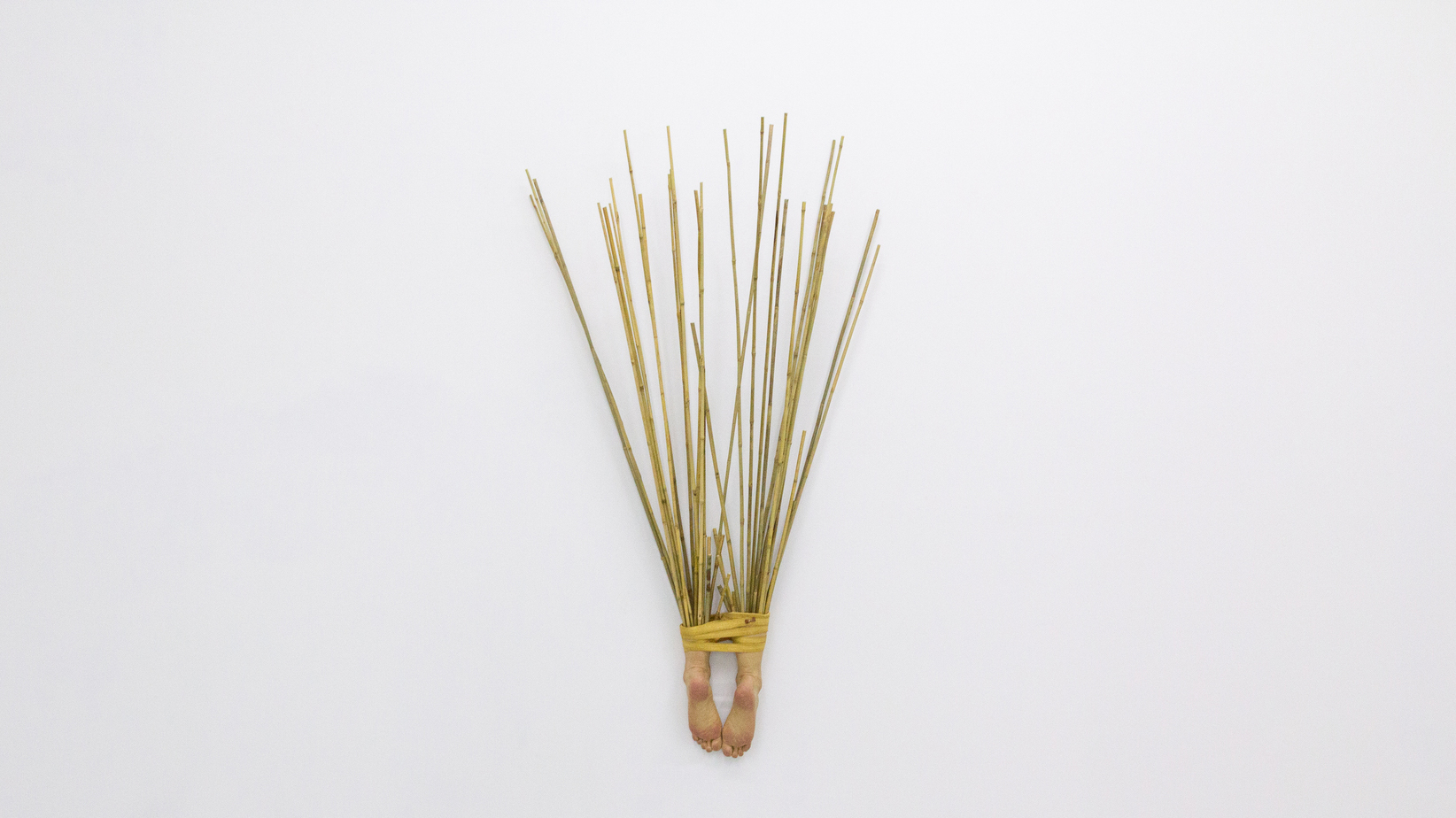
In Andrius Alvarez-Backus’s solo exhibition, I Want to Know, I Need to Know, at Eli Klein Gallery, the work Are You Still Strong Enough? (2025) emerges as the visual center of the show’s underlying tension. A My Little Pony toy hangs vertically, the surface covered in bronze patina, while the incision along its abdomen is carefully stitched closed. What was once a lighthearted and slightly absurd object becomes, through this treatment, both fragile and solemn. Its form evokes a body after surgery, yet also resembles a preserved specimen. However, the meticulous stitching does not suggest that the wound has truly healed. Instead, the seam runs along the body, leaving the incision exposed and gradually becoming part of the sculpture’s structure. The suturing does not erase the rupture; it keeps the rupture visible. The wound is no longer simply a trace of intervention, but the structural element through which the work sustains its tension.
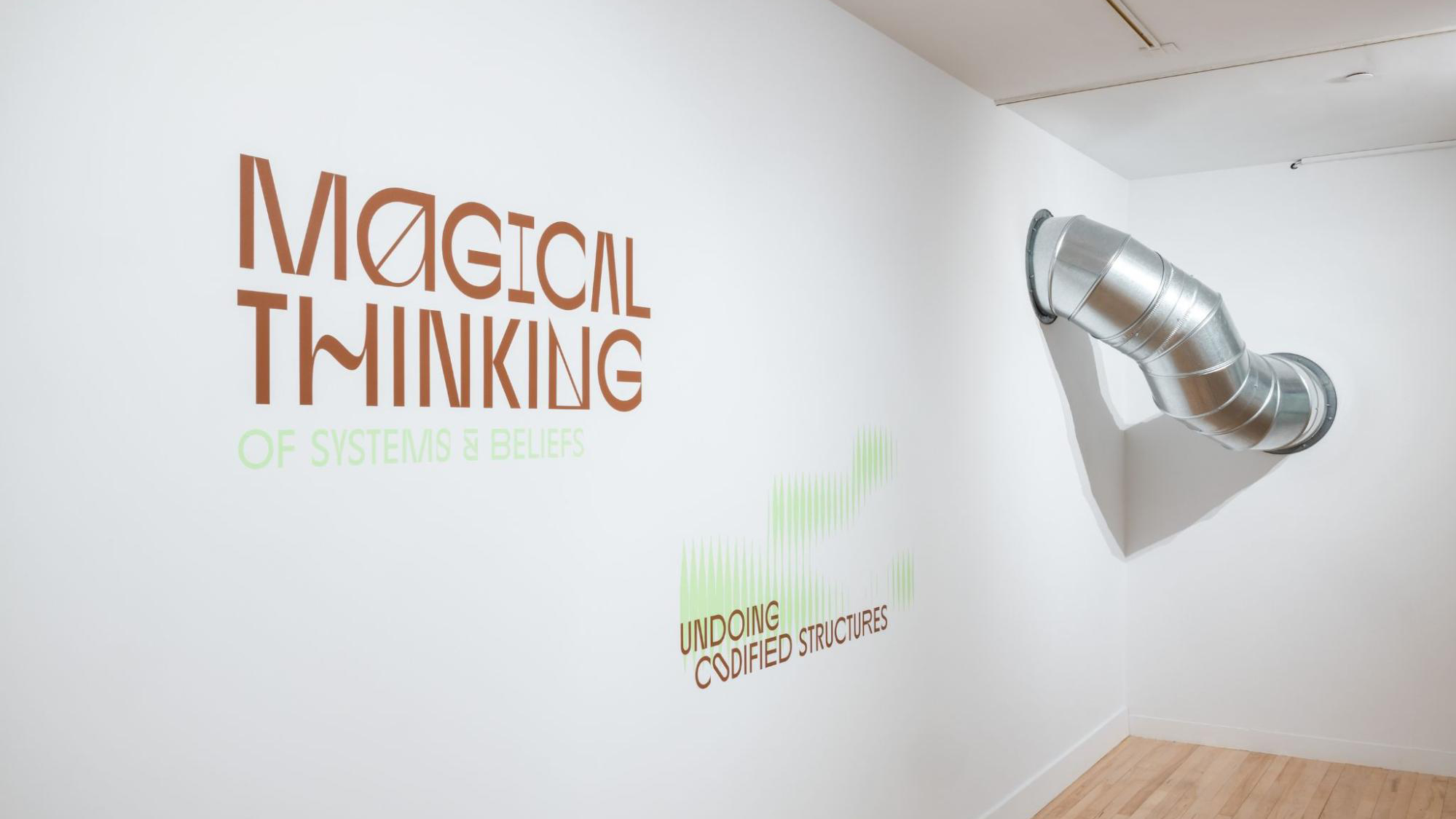
Continue reading “Andrius Alvarez-Backus: I Want to Know, I Need to Know”Magical Thinking of Systems and Beliefs, at Tufts University Art Galleries
Would you have believed the sun revolved around the Earth? Possibly, since that was the ironclad determination of the bureaucracies in the 16th century. Slavery legally existed in the United States for centuries before there was even the slightest abolitionist movement. Which brings to mind, why do we adhere to beliefs today simply because they are propagated by governments and institutions?
Continue reading “Magical Thinking of Systems and Beliefs, at Tufts University Art Galleries”The 15th Shanghai Biennale: Does the Flower Hear the Bees?
Botany, I read in Zoë Schlanger’s bestseller The Light Eaters: How the Unseen World of Plant Intelligence Offers a New Understanding of Life on Earth, is full of groundbreaking discoveries these days (Schlanger 2024). We now know that plants have cellular conduits that allow propagation of electrical charges, that some plants release chemicals in the air to alert neighbors of insects, and that evening primrose increases its nectar’s sweetness when it senses the frequency of the hum of bee wings. While such plant-feeling, plant-talking, and plant-listening are not sustained by the same biological apparatus as ours, the functional parallel is apparent. Perhaps it is time to broaden our understanding of intelligence.
Continue reading “The 15th Shanghai Biennale: Does the Flower Hear the Bees?”Zhang Huan: The Ash Paintings, at 125 Newbury Gallery
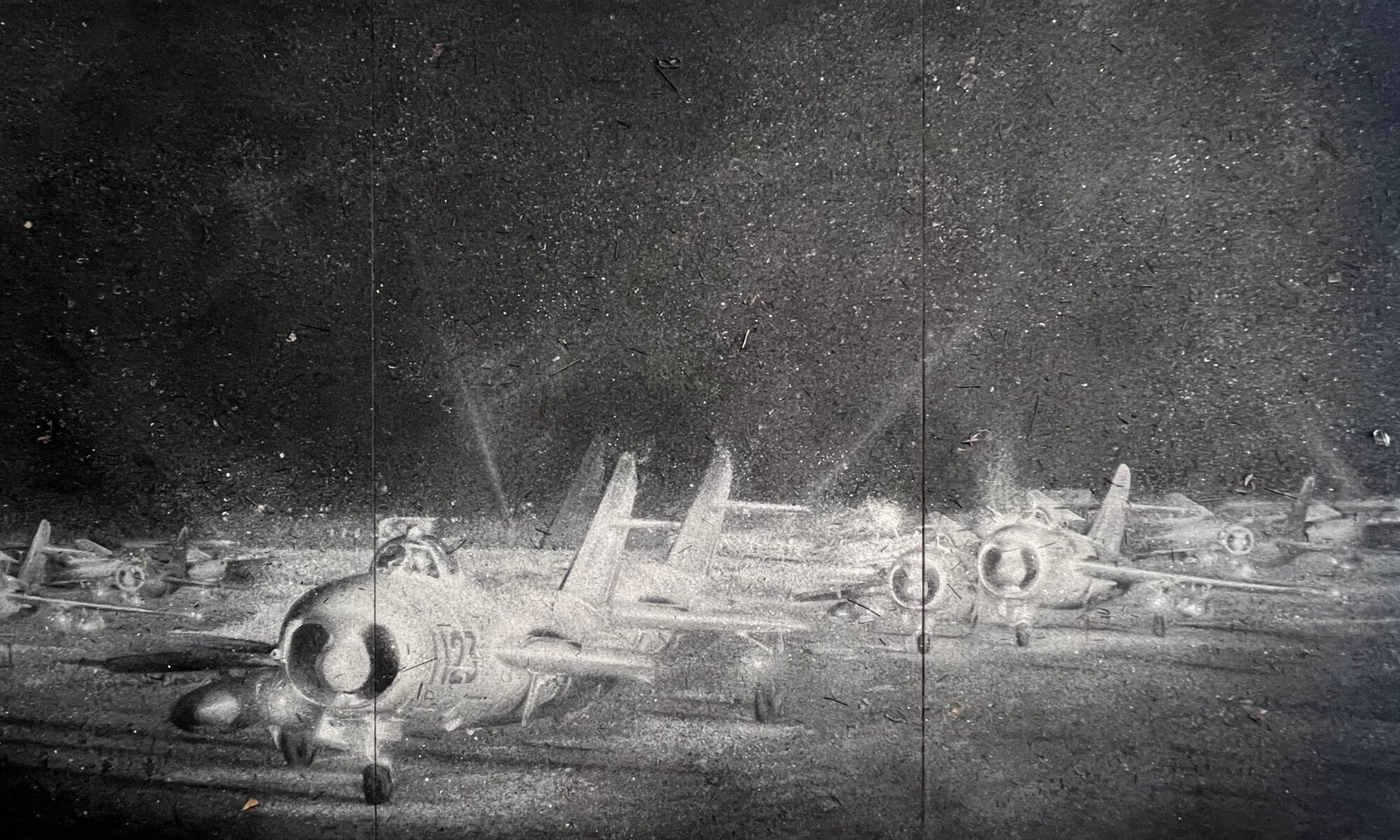
It has been over ten years since the last New York exhibition of the Chinese artist Zhang Huan, known for his edgy political performance pieces documented at the exhibition. What captured me on this visit was his ash paintings, which extended across the entire front hall of the gallery. It feels entirely appropriate that this social activist artist, who later turned to Buddhism, should exhibit these works in New York at such a tense moment. Ash, as a medium, touches on absolute destruction. It carries deep meaning in Buddhist practice, but these days it also pulls toward something harder to name: the daily accumulation of impure ash on the ground of cities being destroyed.
Continue reading “Zhang Huan: The Ash Paintings, at 125 Newbury Gallery”Reflections on The Outsider Art Fair 2026
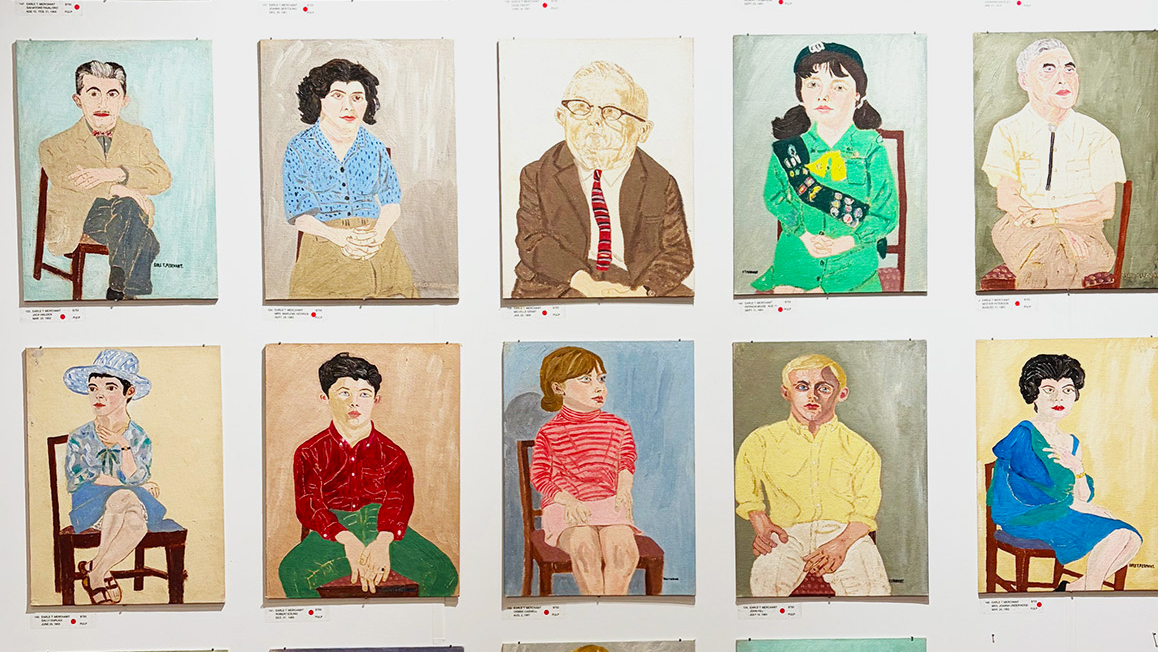
I have been going to the Outsider Art Fair almost every year since it first opened at The Puck Building in 1993. As with most aspects of the art world, much has changed in the field of outsider art and at the fair, its leading annual exhibition. Long gone are the giddy days of discovering artists such as Howard Finster, Adolf Wolfli, Mary T. Smith, and Judith Scott (to name a few). These are now blue-chip outsider or self-taught artists whose work is collected by major institutions and collectors, and rightly so. “Outsider” has become insider and the genre a mainstay of the art world, A kind of artistic oxymoron, some of the most “established outsider artists” command major prices.
Continue reading “Reflections on The Outsider Art Fair 2026”Masako Miki: Midnight March – A Galaxy of Joyful Transformation
As the founding Executive and Artistic Director of the MassArt Art Museum (MAAM), Lisa Tung has continually focused on bringing immersive exhibitions to the public and establishing an institution that champions art education, contemporary art practices, and the accessibility of art. Having seen and admired the work of Masako Miki, Tung brought Miki’s imaginative creations to MAAM, where they come alive in Midnight March, curated by Alison Gass and Meghan Smith.
Midnight March transforms the Paine Gallery into a galaxy, filled with Miki’s large-scale, felted interpretations of Japanese folklore spirits, yōkai. Through their materiality, scale, color, and design, the typically alienated spirits are presented through a contrasting portrayal from their traditionally frightening depiction, shown as playful, respected, and not so different from ourselves. Through an animistic approach, Midnight March reimagines myth, highlighting our similarities, spirituality, and the power of sculptural storytelling.
Continue reading “Masako Miki: Midnight March – A Galaxy of Joyful Transformation”Kate Teale: Vanishing Points and New Places at Smack Mellon
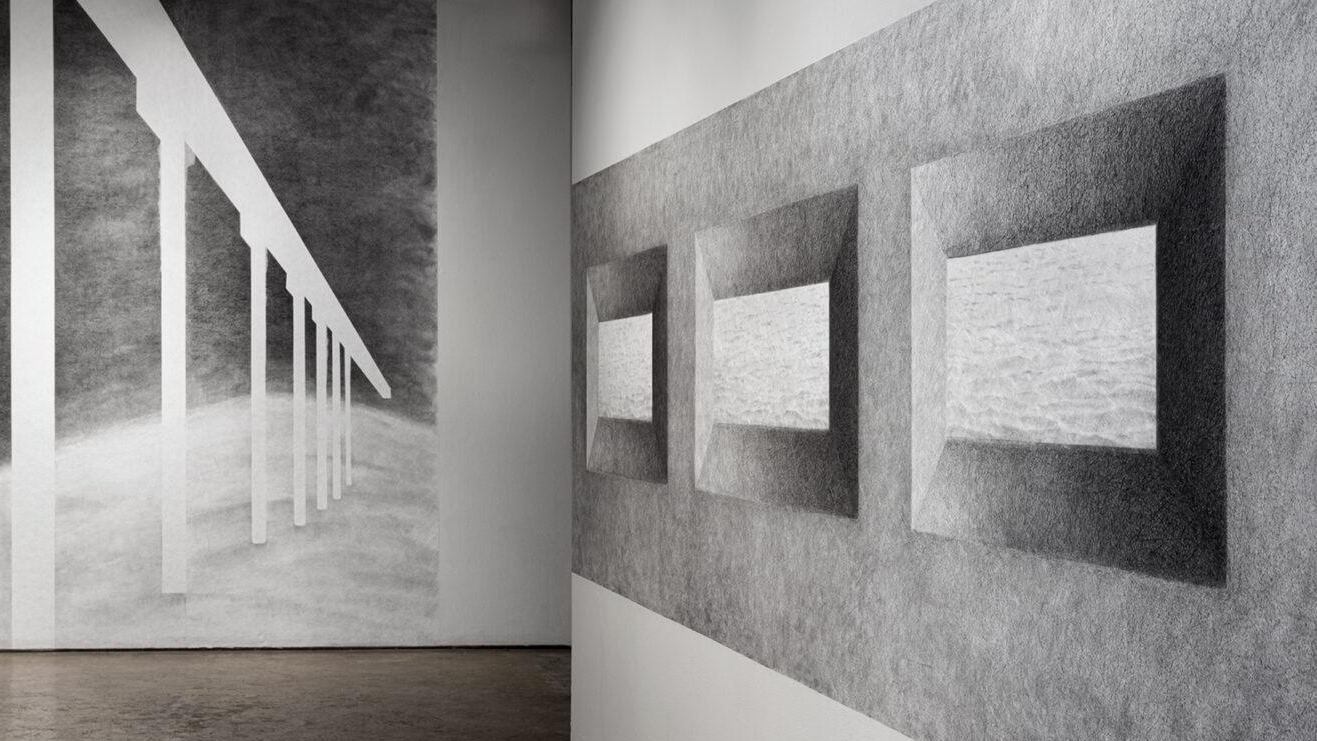
The space in Smack Mellon’s back gallery welcomes you as Kate Teale’s exhibition, Vanishing Points, fills the room, bringing the history of Dumbo into the space. Teale expands space itself through her studies of edge, architecture, and place. The work is a seamless connection of drawings adhered to the walls using Tyvek, making the illusion of space and the real blur into one. The gallery is transformed into a combination of several places, and as visitors turn, they adjust to each new location, finding details offering hints of the places Teale wants us to wander into.
Continue reading “Kate Teale: Vanishing Points and New Places at Smack Mellon”The $650 Show Art History Forgot, Thirteen Women, One Wet Floor, Zero Permission
At 33 Bleecker Street, history does not politely vacate.
In the 19th century, Herman Melville grew up at this address, long before the current building rose here in 1900. A century later, Joel Shapiro kept an early studio in the building before moving on to larger quarters. This winter, the ground-floor gallery Zürcher has been restaging a 1972 exhibition titled 13 Women Artists. Museum curators made the trip to NoHo. Emails arrived from outside the city asking for more time.
Continue reading “The $650 Show Art History Forgot, Thirteen Women, One Wet Floor, Zero Permission”Women Sculptor Group: In the End, Everything Gives
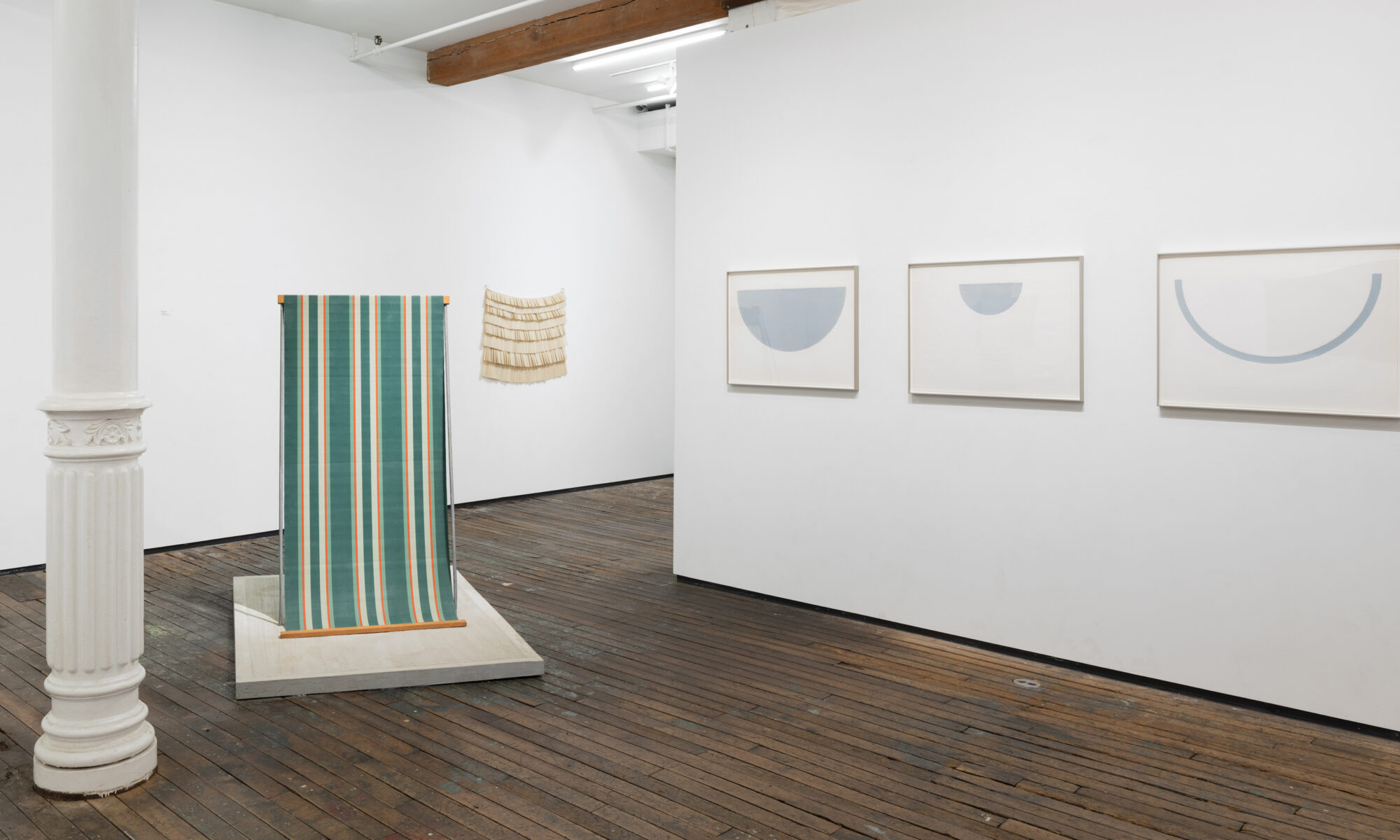
At Silver Art Projects, In the End, Everything Gives brings together more than thirty artists from the Women Sculptors Group (WSG), a New York–based network of women-identifying and non-binary sculptors that now includes over 350 members. Installed within the residency spaces at 4 World Trade Center, the exhibition carries the energy of a working community—artists connected through an ongoing commitment to sculpture and material inquiry.
Continue reading “Women Sculptor Group: In the End, Everything Gives”Against Erasure, Toward Presence: Anastacia-Reneé and the Labor of Care
As one enters the space, the air changes first.
Nag champa. Sage. The faint illusion of burning wax.
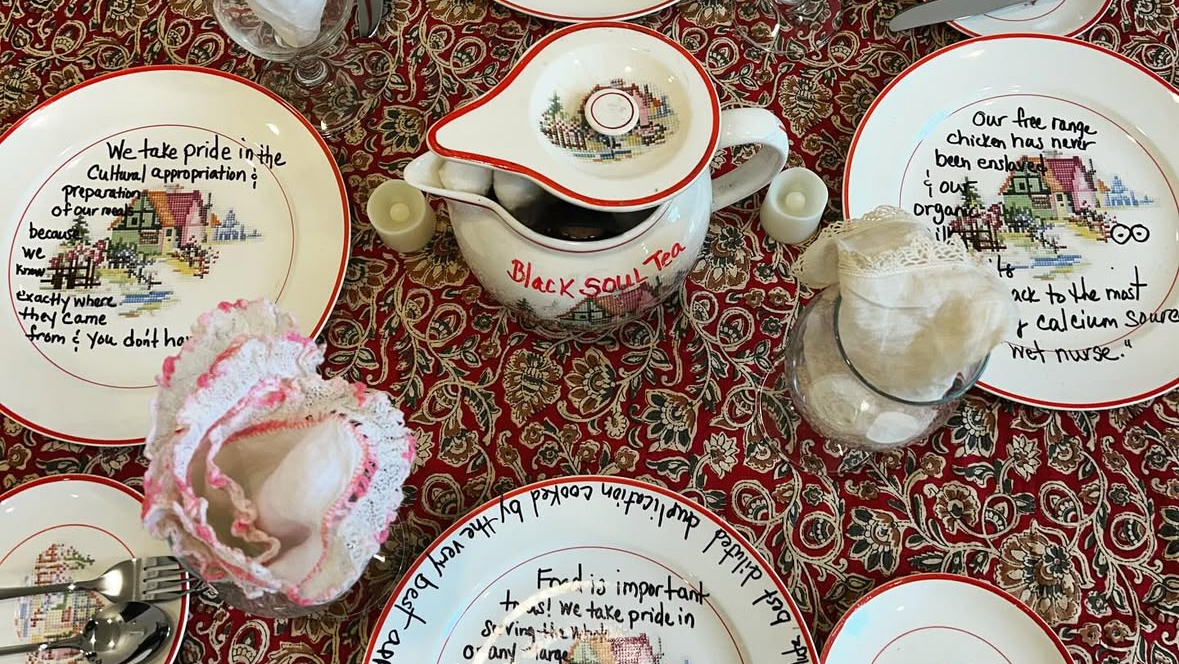
The scent settles low and heavy, as if the room itself is breathing. The atmosphere feels dense and slow, yet charged. Fixed and fluid at once. Calm and alert. Sacred and unsettled.
This is not simply an exhibition to be viewed. It is a room to be entered with the whole body.
Continue reading “Against Erasure, Toward Presence: Anastacia-Reneé and the Labor of Care”