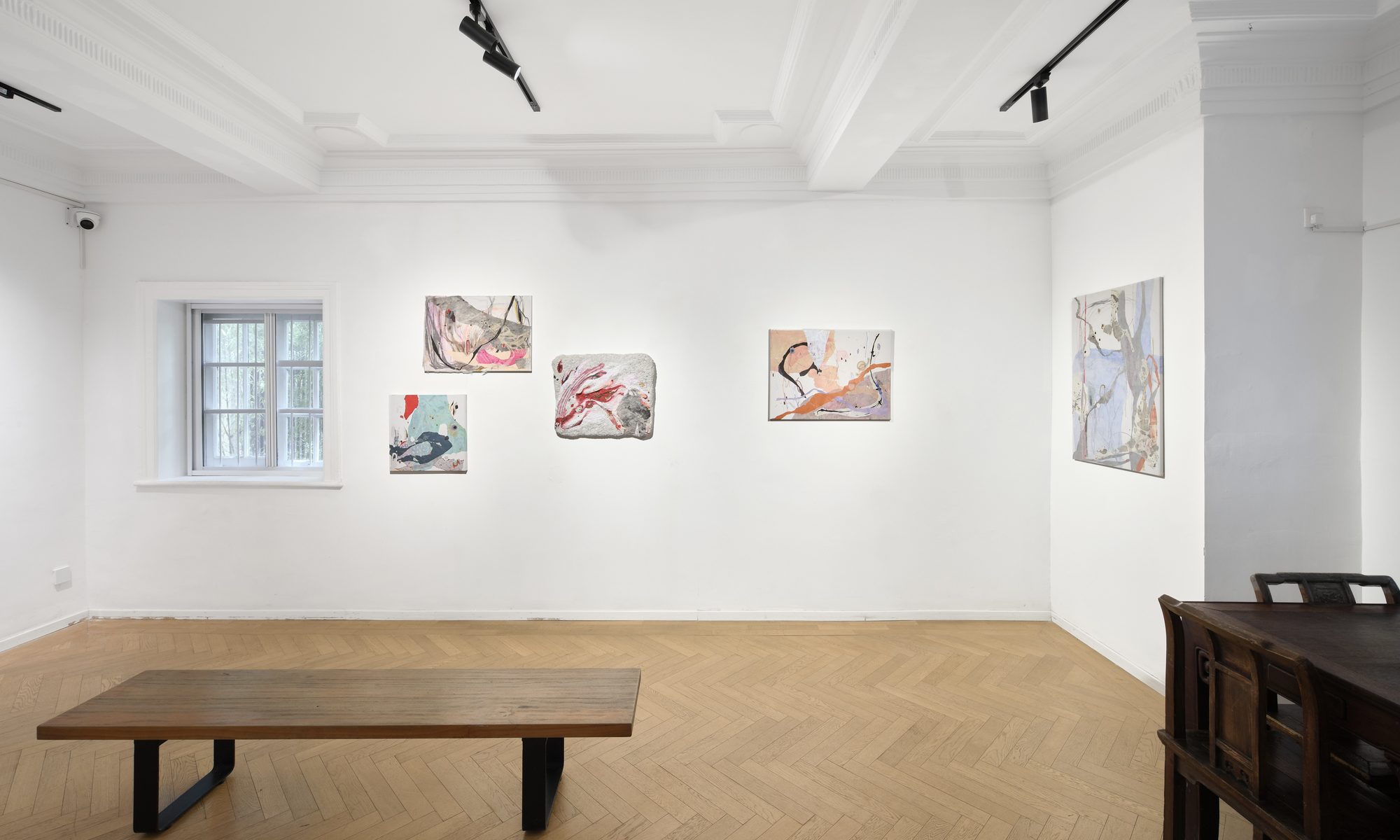
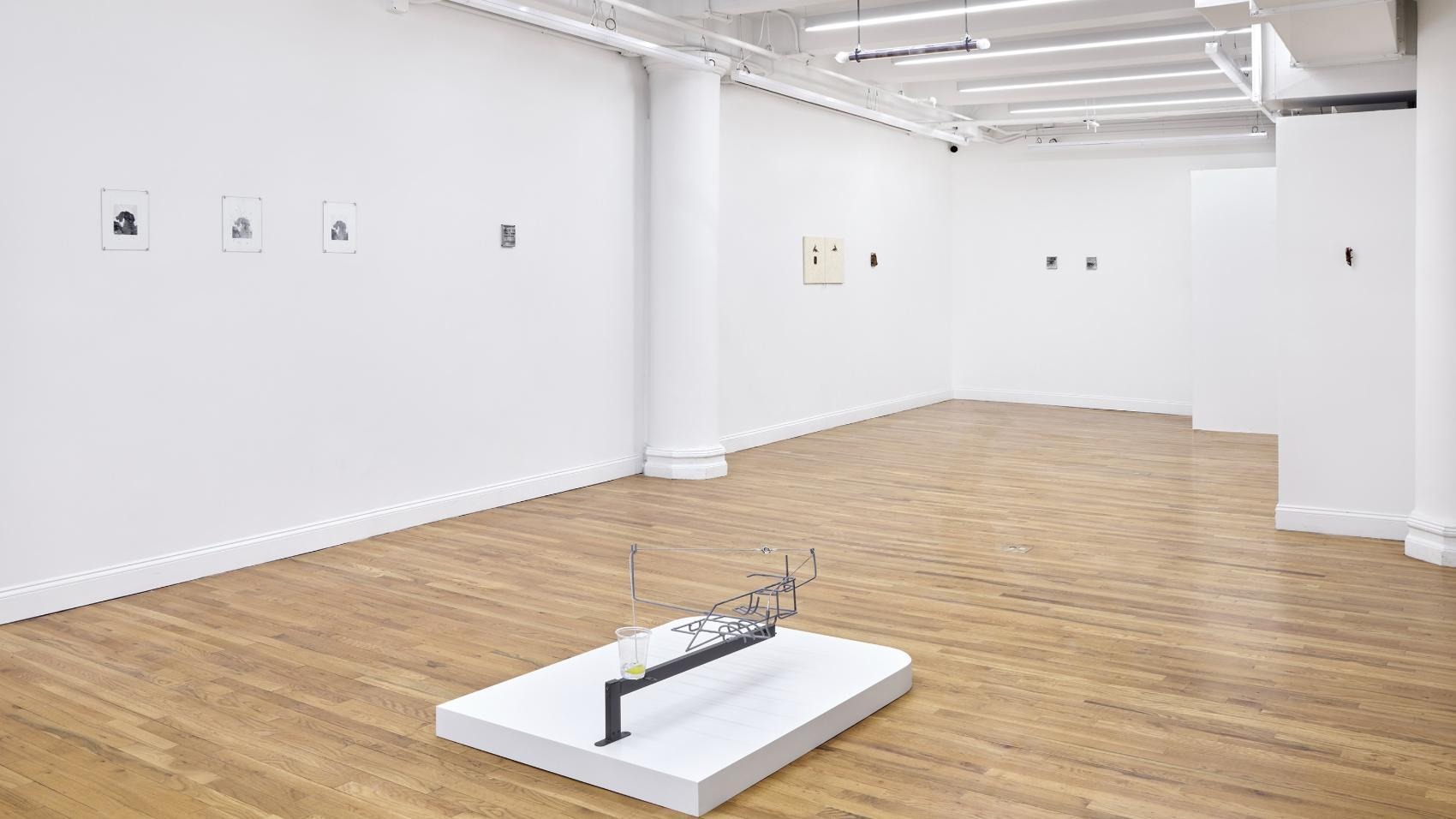
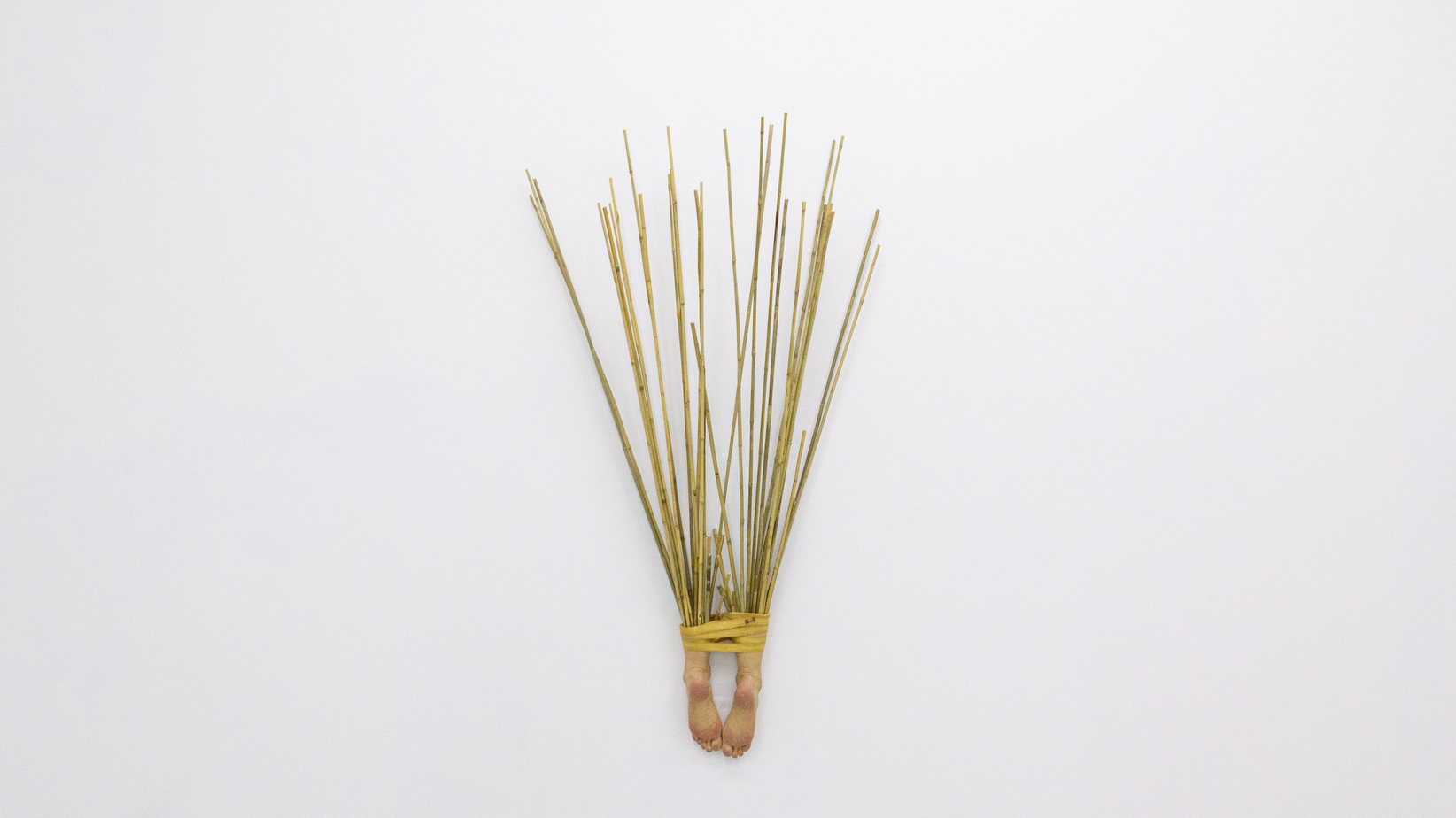
Women constantly fall, from rule, from discourse, from childbirth, from ecstasy, from sacrifice, from love, from anguish. We are still in the place of repeatedly coalescing to regain voice and visibility across political, economic, pedagogical, and creative fields. Comprehending it through cultural theorist and sociologist Angela McRobbie, we see that women are made to bear greater precarity, conditioned by institutions, by discourse, by an economy that asks for passion in place of pay; entering the creative fields comes with a demand to be self-managing, enterprising and unquestioningly cheerful about it. Women might be naturally leading the creative sector but meanwhile, fall heavily onto body, conditions and time, carrying its costs behind the facade of the neoliberal art industry.
Continue reading “Beautifully Fall Apart”When Pixels Grow Skin
Our generation’s idea of “skin” is increasingly formed on screens. Smartphone cameras automatically brighten skin tones, filters smooth pores, and editing software erases wrinkles while manufacturing new forms of gloss and texture. At first, these technologies seemed merely to modify images of the body: skin existed first in the physical world and was then captured and processed by the camera. Gradually, however, this sequence has been reversed. Technologically processed skin has begun to function as a new visual standard, while unedited skin can appear rough, incomplete, or somehow insufficient. It is a subtle shift: the body once entered the image, but now the image increasingly seems to redefine the body.
Continue reading “When Pixels Grow Skin”Growing After the Embers: A Review of Bùi Thanh Tâm’s Solo Exhibition Here on and after
For a long time, when I was young, I felt distant from the idea of “history.” In textbooks, history always appeared through years, wars, reforms, and changes of political power, as if it were made of events already organized and settled. Yet the history that truly remains in the body often appears in more hidden forms. It may be a silence within family narratives, a memory that one generation chooses to avoid, a recurring pattern in festive images, or a color that seems joyful while quietly carrying a wound. Very often, history continues to exist in another form, lingering in images, bodies, and everyday experience.
Continue reading “Growing After the Embers: A Review of Bùi Thanh Tâm’s Solo Exhibition Here on and after”Learning Where There Is No Bottom: On the Thresholds of Swim Lessons
When I first learned how to swim as a child, my instructor told me to hold onto the edge of the pool and practice kicking. He counted the rhythm aloud, occasionally adjusting the angle of my body. Water kept splashing into my face, yet I could not make myself move forward. The actions had been broken down into steps: kicking, stroking, breathing, and I seemed to complete each one, but they never came together as a whole. Then, at some point, I stopped sinking. I still cannot say what exactly happened in that moment.
Continue reading “Learning Where There Is No Bottom: On the Thresholds of Swim Lessons”Andrius Alvarez-Backus: I Want to Know, I Need to Know
In Andrius Alvarez-Backus’s solo exhibition, I Want to Know, I Need to Know, at Eli Klein Gallery, the work Are You Still Strong Enough? (2025) emerges as the visual center of the show’s underlying tension. A My Little Pony toy hangs vertically, the surface covered in bronze patina, while the incision along its abdomen is carefully stitched closed. What was once a lighthearted and slightly absurd object becomes, through this treatment, both fragile and solemn. Its form evokes a body after surgery, yet also resembles a preserved specimen. However, the meticulous stitching does not suggest that the wound has truly healed. Instead, the seam runs along the body, leaving the incision exposed and gradually becoming part of the sculpture’s structure. The suturing does not erase the rupture; it keeps the rupture visible. The wound is no longer simply a trace of intervention, but the structural element through which the work sustains its tension.
Continue reading “Andrius Alvarez-Backus: I Want to Know, I Need to Know”