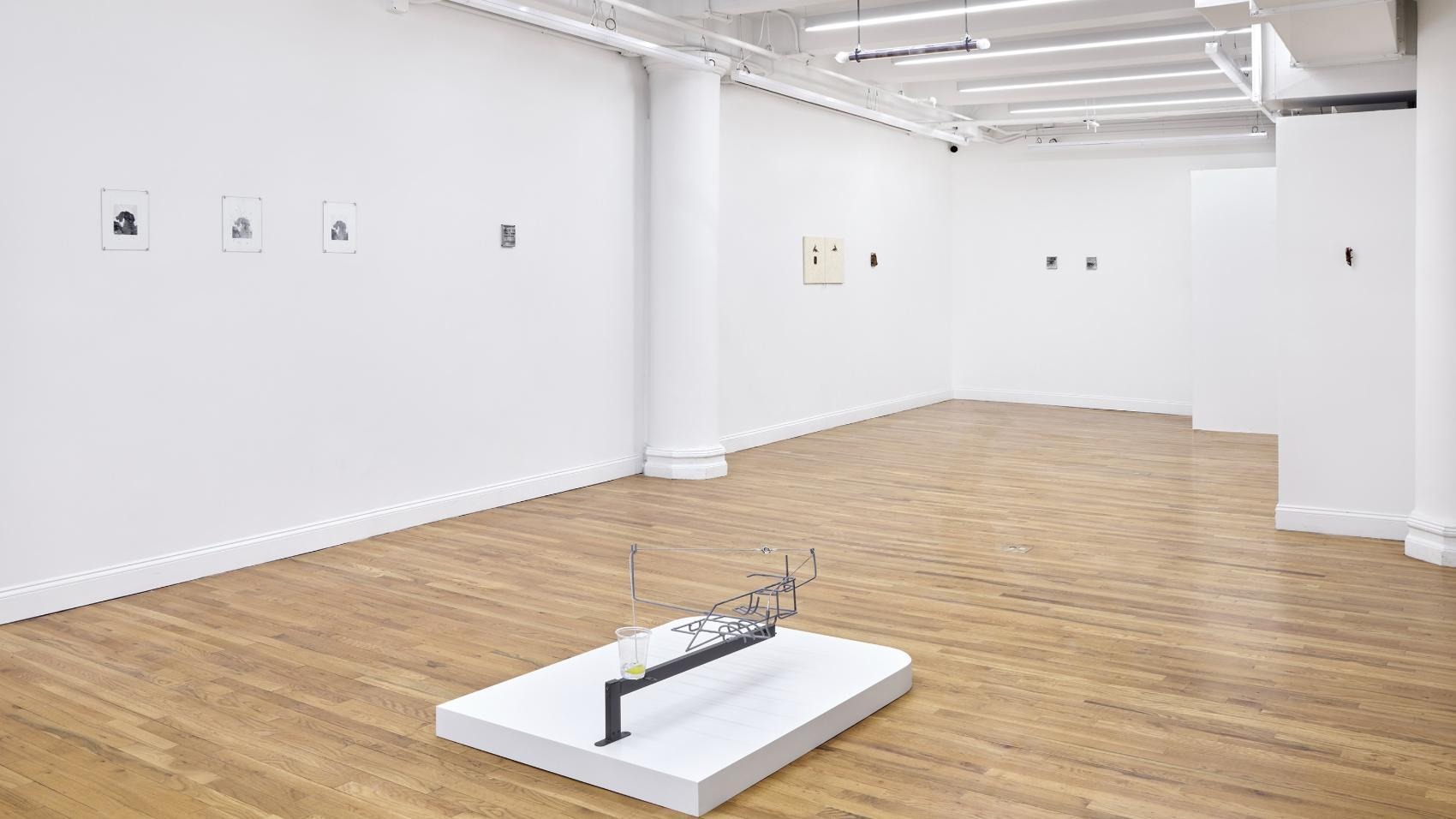
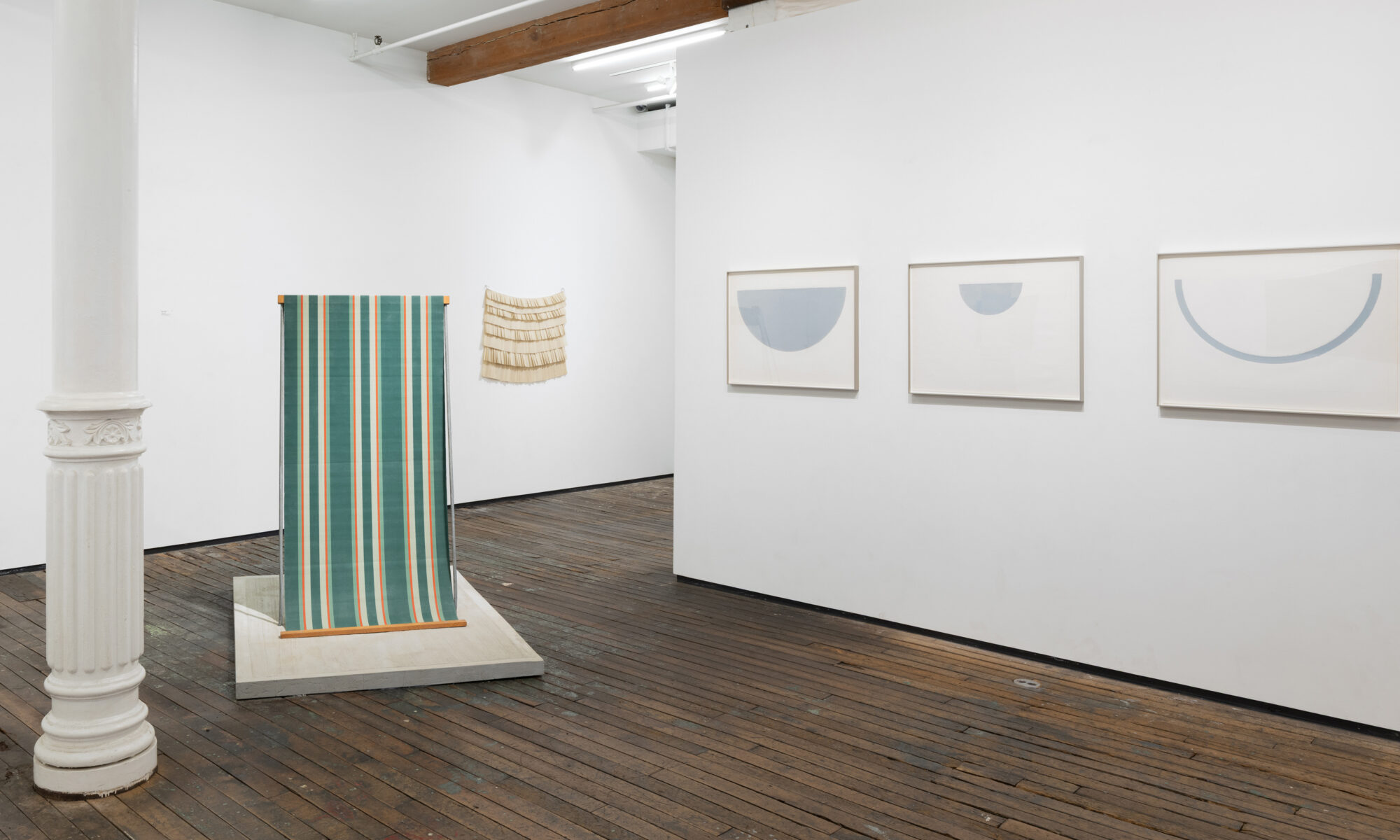
Jeff Feld’s invented, minimalist island of Feldwood transports its audience into a tropical, still space that is at once childlike and naive, holy in its fetishizing of the pathetic object and rooted in place.
Continue reading “When I Stopped in Feldwood: Jeff Feld at Marquee Projects”Learning Where There Is No Bottom: On the Thresholds of Swim Lessons
When I first learned how to swim as a child, my instructor told me to hold onto the edge of the pool and practice kicking. He counted the rhythm aloud, occasionally adjusting the angle of my body. Water kept splashing into my face, yet I could not make myself move forward. The actions had been broken down into steps: kicking, stroking, breathing, and I seemed to complete each one, but they never came together as a whole. Then, at some point, I stopped sinking. I still cannot say what exactly happened in that moment.
Continue reading “Learning Where There Is No Bottom: On the Thresholds of Swim Lessons”How Malta Biennale 2026 Reimagines Site-Specificity
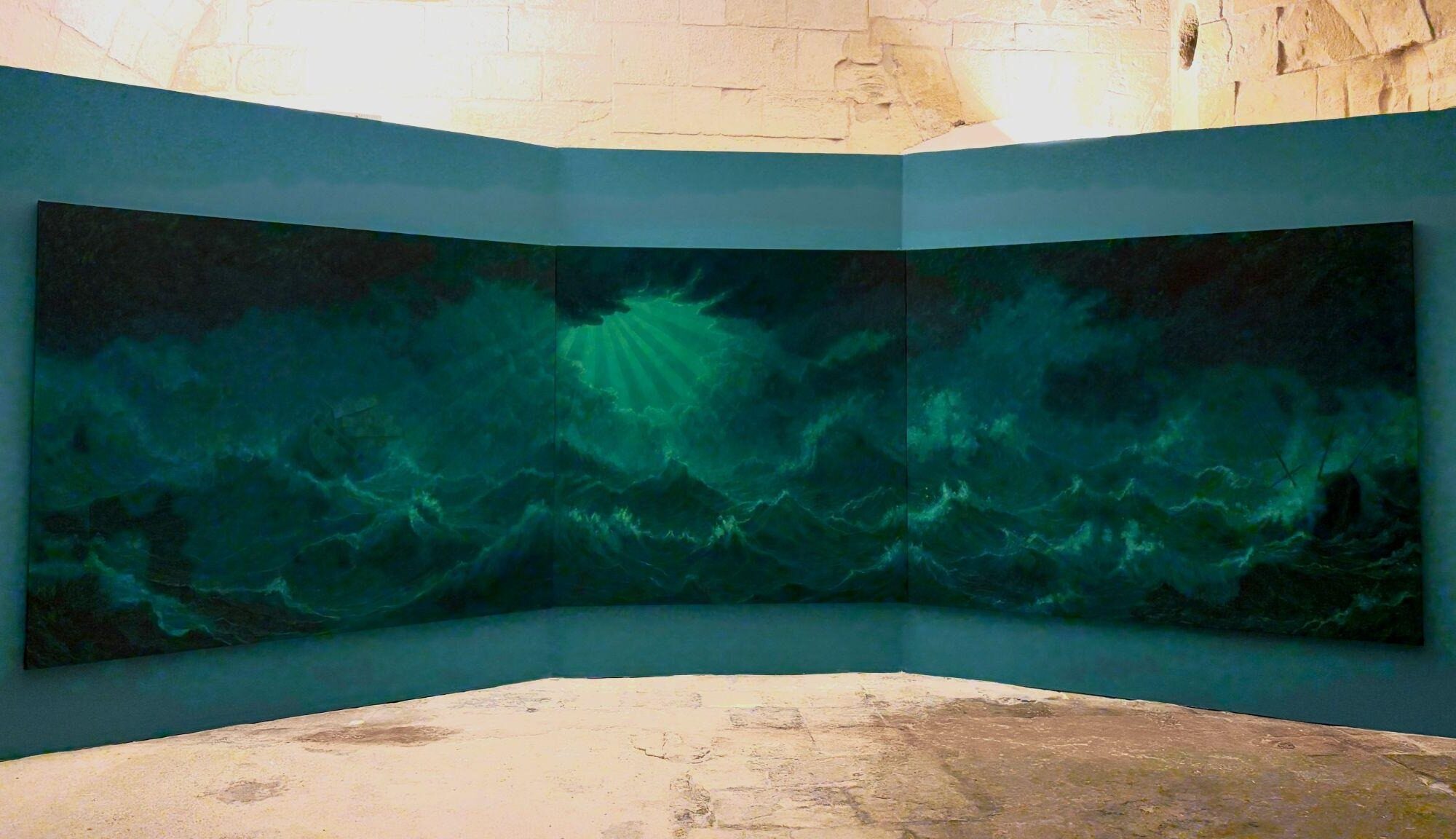
One is never prepared for the Maltese archipelago and its vertiginous dichotomy of antiquity and modernity; an exhilarating compound of ethnicities, languages, and cultures. Though one might consider it diminutive, during the three-day press preview, I traversed the main island, Malta, and its quieter, more pastoral and bucolic sister island, Gozo, in a flurry of taxis, ferries, and buses. (Comino, a nature lover’s sanctuary, remains largely uninhabited.) Malta occupies a distinctly liminal position within the Mediterranean world: a central island shaped across centuries by exchanges among Europe, North Africa, and the Near East. Situated a mere 60 miles south of Sicily and roughly an hour’s flight from Tunis, it has long functioned as a site of passage, encounter, and cultural layering—a geographic palimpsest upon which successive civilizations have inscribed themselves again and again.
Continue reading “How Malta Biennale 2026 Reimagines Site-Specificity”Unreliable Narrators: Rochelle Voyles
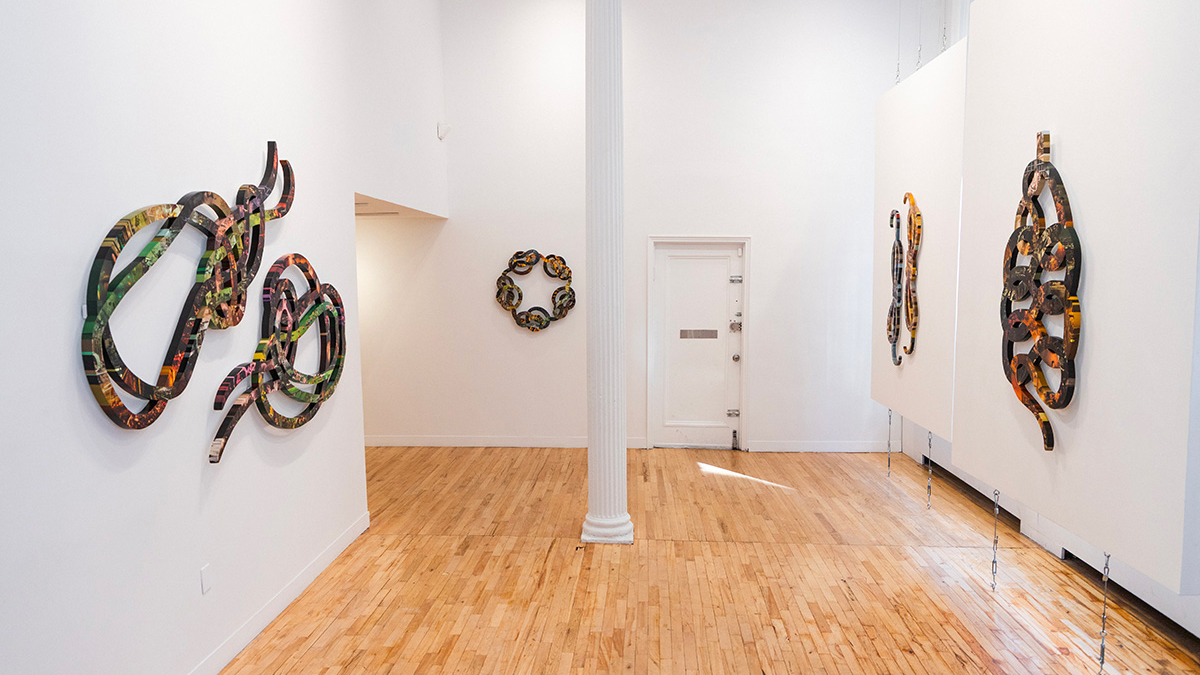
In Unreliable Narrators, Rochelle Voyles’s collages hold both a capacious nihilism and a hope to build stories from the void. From this fulcrum, I think of Joan Didion’s classic essay The White Album, and its opening truism: “We tell ourselves stories in order to live.” Voyles’s compositions of found photographs extend to viewers, a branch, a bone, a tool in making sense of the randomness that seems to rule our lives. Cutouts layered into loops capture chaos, but the care in each cut, the curation, and the collision of hyperspecific images betray a belief in an idiosyncratic order. These works are at once figurative mazes of manifold meaning, and objects calculated to short-circuit our thinking and experience pure sensation.
Continue reading “Unreliable Narrators: Rochelle Voyles”Reflections on The Outsider Art Fair 2026
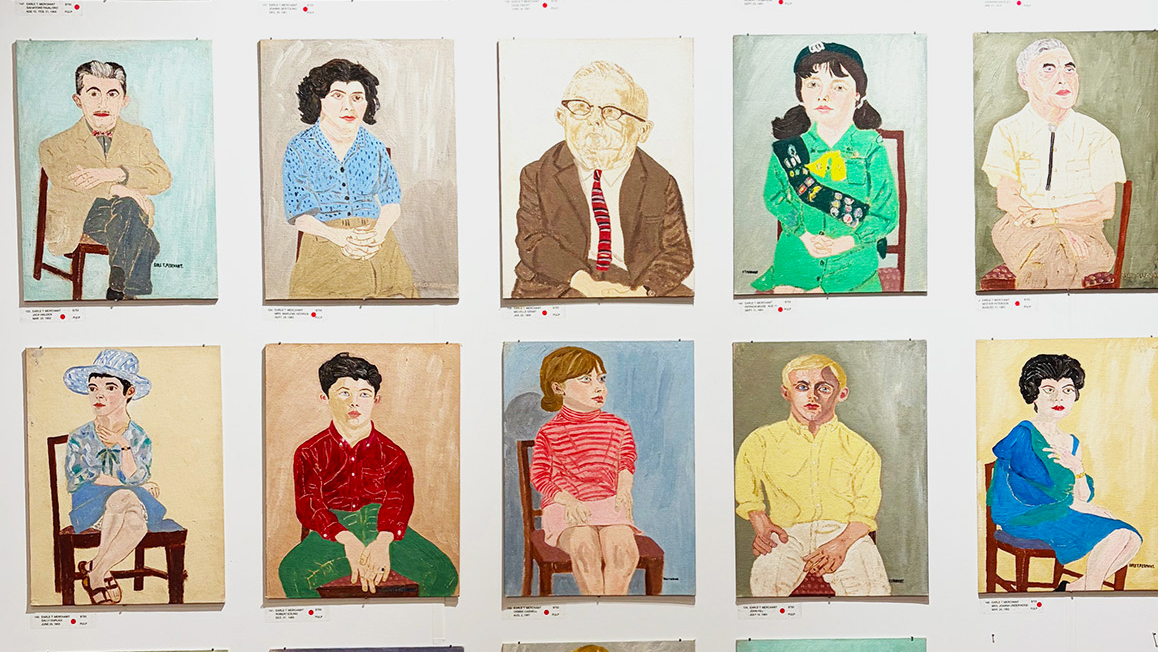
I have been going to the Outsider Art Fair almost every year since it first opened at The Puck Building in 1993. As with most aspects of the art world, much has changed in the field of outsider art and at the fair, its leading annual exhibition. Long gone are the giddy days of discovering artists such as Howard Finster, Adolf Wolfli, Mary T. Smith, and Judith Scott (to name a few). These are now blue-chip outsider or self-taught artists whose work is collected by major institutions and collectors, and rightly so. “Outsider” has become insider and the genre a mainstay of the art world, A kind of artistic oxymoron, some of the most “established outsider artists” command major prices.
Continue reading “Reflections on The Outsider Art Fair 2026”The $650 Show Art History Forgot, Thirteen Women, One Wet Floor, Zero Permission
At 33 Bleecker Street, history does not politely vacate.
In the 19th century, Herman Melville grew up at this address, long before the current building rose here in 1900. A century later, Joel Shapiro kept an early studio in the building before moving on to larger quarters. This winter, the ground-floor gallery Zürcher has been restaging a 1972 exhibition titled 13 Women Artists. Museum curators made the trip to NoHo. Emails arrived from outside the city asking for more time.
Continue reading “The $650 Show Art History Forgot, Thirteen Women, One Wet Floor, Zero Permission”Elisa D’Arrigo: Slouching Sculpture Forward at George Adams
Downtown in Tribeca, beneath the Derek Eller Gallery, the George Adams Gallery sits like a quiet afterthought. Easy to pass by. Down a short flight of stairs, away from the street glare, Elisa D’Arrigo’s recent sculptures gather in a small white room and hold their ground. The scale is modest. The presence is not.
Continue reading “Elisa D’Arrigo: Slouching Sculpture Forward at George Adams”Still / Moving at San Luis Obispo Museum
In Dialogue
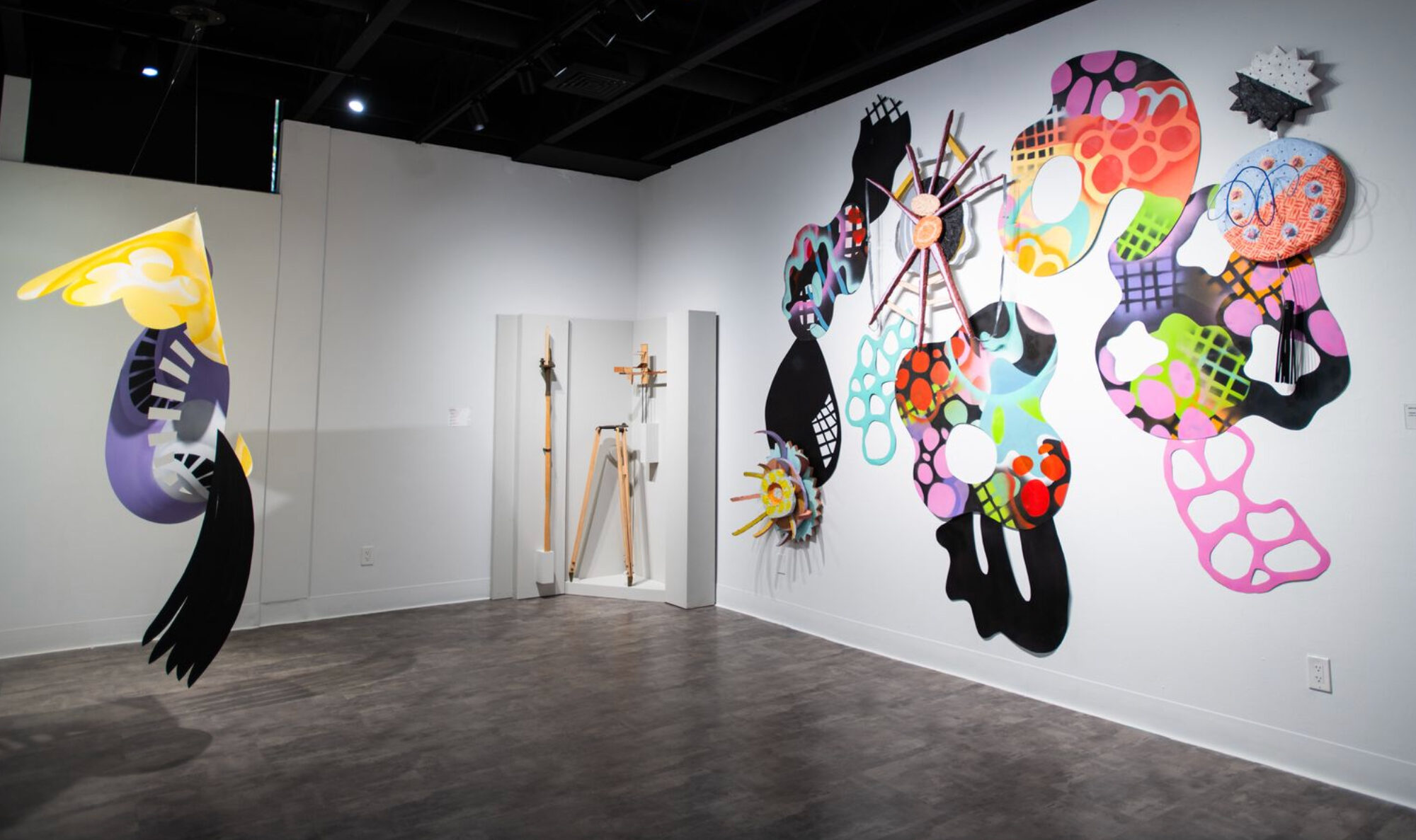
Adria Arch and Keith Wiley had never met before working on Still / Moving, their exhibition at the San Luis Obispo Museum of Art. Living on opposite coasts—Arch in Boston and Wiley in Atascadero—they developed the project from afar, connecting through shared images, ideas, and a common interest in movement and form. In the exhibition, Arch’s bright paintings and hanging shapes reach outward with color and rhythm. Her flowing, curving forms feel energetic and playful, as if they are moving through the air. Wiley’s portal-like sculptures draw viewers closer. Built from small marks and quiet details, they invite pause and careful looking, with openings that pull you inward. Emma Saperstein, the exhibition curator, discusses her curatorial vision and reflects on the museum as a venue for this project.
Mia Westerlund Roosen: Then and Now
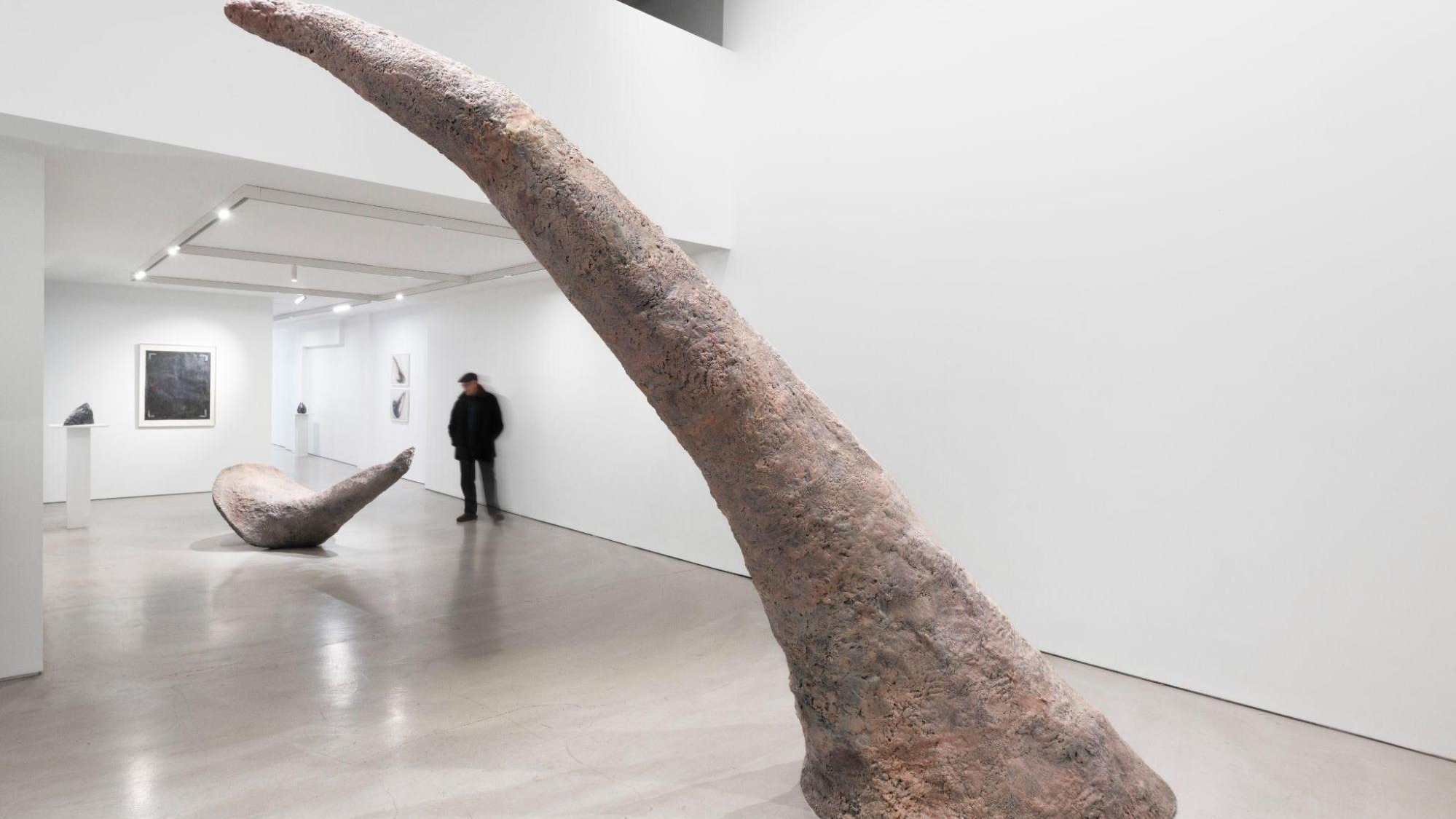
When I enter Nunu Fine Art in SoHo, New York, my body registers Mia Westerlund Roosen’s work before my mind does. Two tall forms, Heat (1981) and Conical (1981), lean into the room with a quiet insistence, their weight felt rather than announced. They rise from the floor with muscular arcs, tapering upward, commanding space without spectacle. I slow down instinctively, adjusting my path. These are not sculptures to be glanced at; they ask to be circled, negotiated, endured.
Meghan Roghanchi at RAM Gallery
In her mid-twenties, Meghan Roghanchi began collecting art with her husband, engaging directly with artists and developing an interest in the relationship between artistic production and collecting. After raising three children to school age, she returned to a professional focus shaped by her long-standing engagement with art, education, and collecting. Drawing on these experiences, Roghanchi founded RAM Gallery, positioning it at the intersection of creative practice and collecting, with an emphasis on direct exchange between artists and audiences and an accessible, welcoming gallery environment.