Under the Common Sea | 海的下面还有海
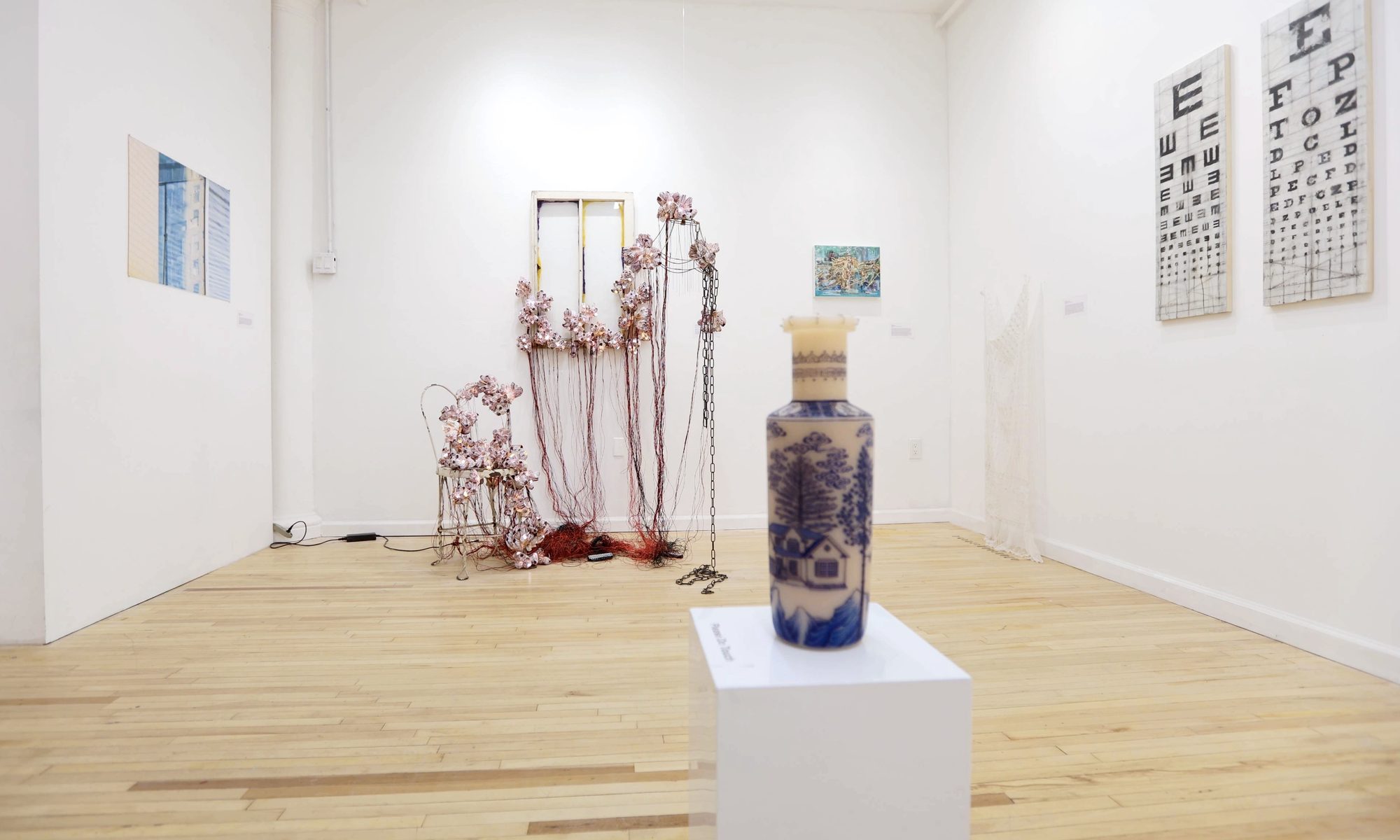
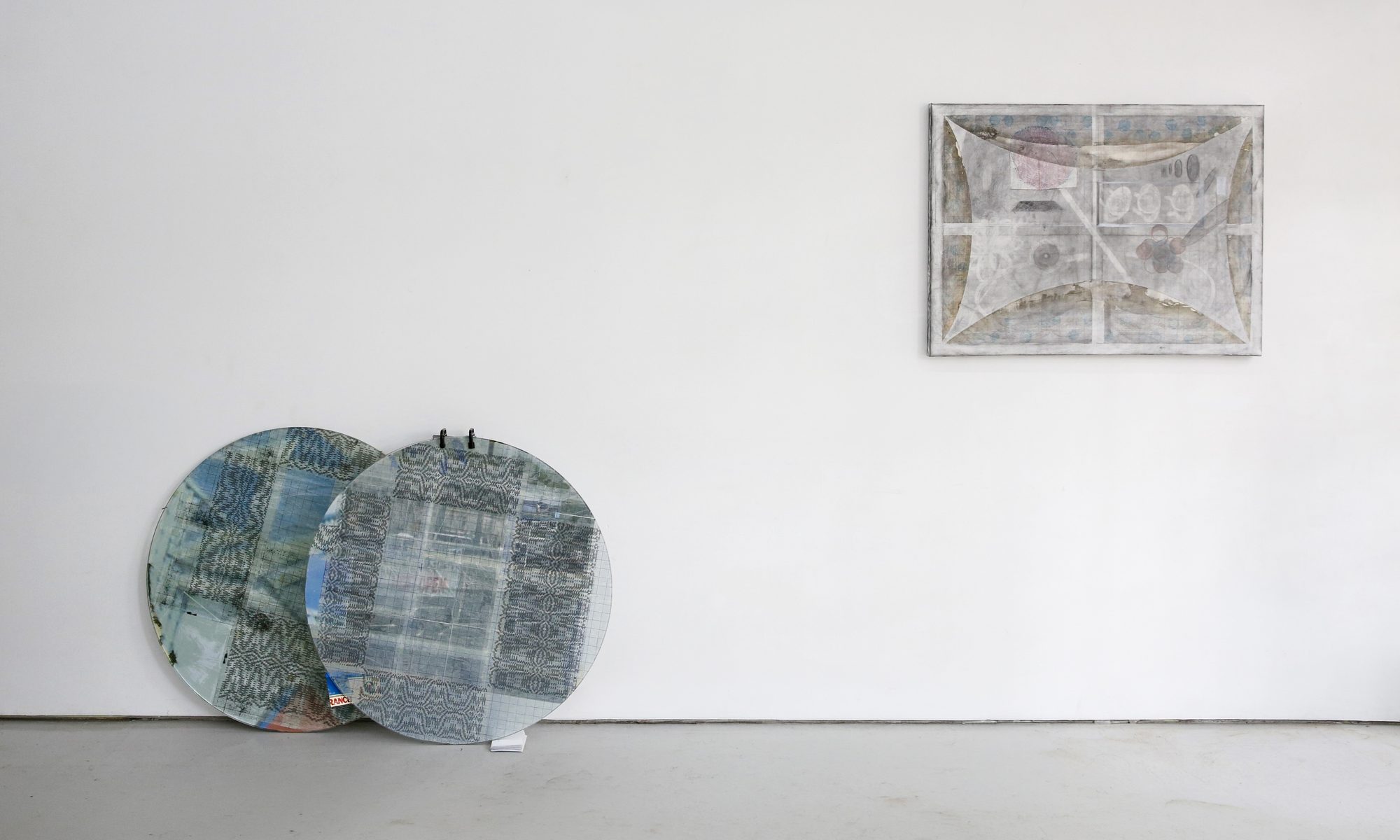
It is difficult for anyone to tell a story about being Chinese. On the surface, we have consummatory trends like “At A Very Chinese Time of My Life”; otherwise, we often see over-sensationalized narratives about geopolitical maneuverings. Yet, in the undertow, Chinese people work and make in conditions full of positional and situational complexity, and they belong to nuanced communities. Under the Common Sea is a group exhibition where artists and cultural workers came together to showcase the range and diversity of experiences, relationalities, and perspectives on identity among Chinese and Sinophone diasporic peoples in NY and across the United States.

Continue reading “Under the Common Sea | 海的下面还有海”

Babs Reingold: Forest Bathing at Leepa-Rattner Museum of Art 

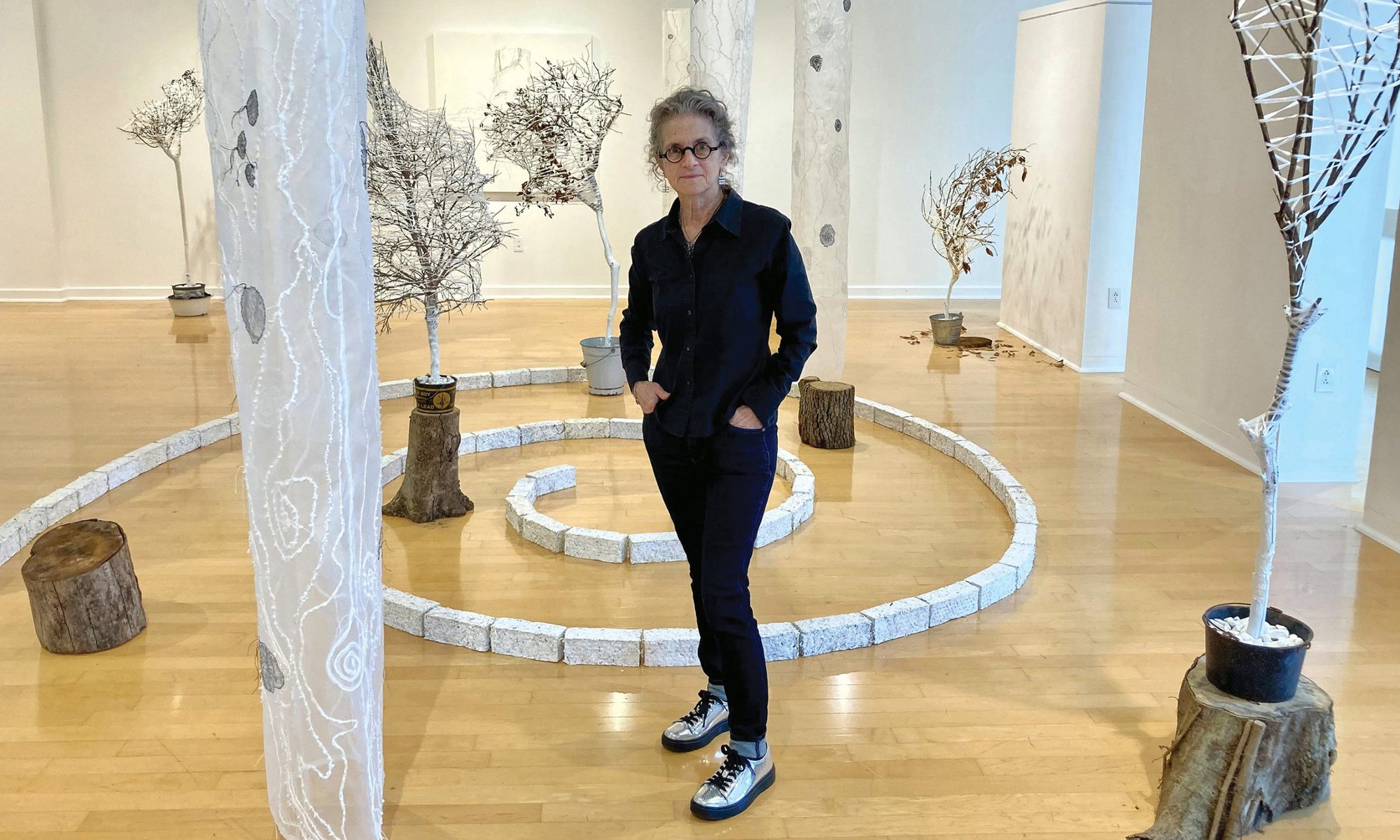
Babs Reingold with Lost Trees, 2022

For two decades, Babs Reingold has reflected throughout her mixed media work on the intersections of poverty, climate change, and beauty in the environment. In her current solo show, Forest Bathing at Leepa-Rattner Museum of Art, Tarpon Springs, Florida, brings together two ongoing series, Hair Nest and Lost Trees. Both series mark a deliberate shift toward celebrating the beauty and resilience of nature. Whether confronting social inequities, ecological destruction, or the persistence of beauty amid crisis, her work arises from a deep belief that art can create both awareness and change. By transforming unconventional materials—human hair, salvaged wood, silk organza—into immersive environments, Reingold invites visitors to think about their place within larger systems of survival, destruction, and renewal. We discussed this exhibition in the context of her larger body of work.

Continue reading “Babs Reingold: Forest Bathing at Leepa-Rattner Museum of Art “

Fall Exhibitions at The Hammond Museum

Meg Hitchcock, Fang (2025)

At the Hammond Museum and Japanese Stroll Garden in North Salem, New York, art doesn’t stay inside the galleries. Since 1964, the museum has staged exhibitions that move from its gallery walls to its patio, tea hut, and garden paths, with about fifteen shows a year and the number growing. Contemporary and historical, drawn from many styles and cultural traditions, the exhibitions often aim to build cross-cultural understanding, while those set outdoors open a dialogue between art, nature, and personal reflection. This fall, five shows fill the grounds: Tomoko Amaki Abe’s Heaven Come Down in the Main Gallery, Meg Hitchcock’s Fang in the Hays and Goelet Galleries, Soli Pierce’s Poetry of Place in the Tea Hut, Matthew Weber’s Ground Shift on the Patio, and Kurt Steger’s In the Garden along the Japanese Stroll Garden. In this conversation, the museum team talks about how the Exhibition Committee selects its shows and how each one carries the museum’s mission forward.

Continue reading “Fall Exhibitions at The Hammond Museum”

Autumn Exhibitions at Wave Hill

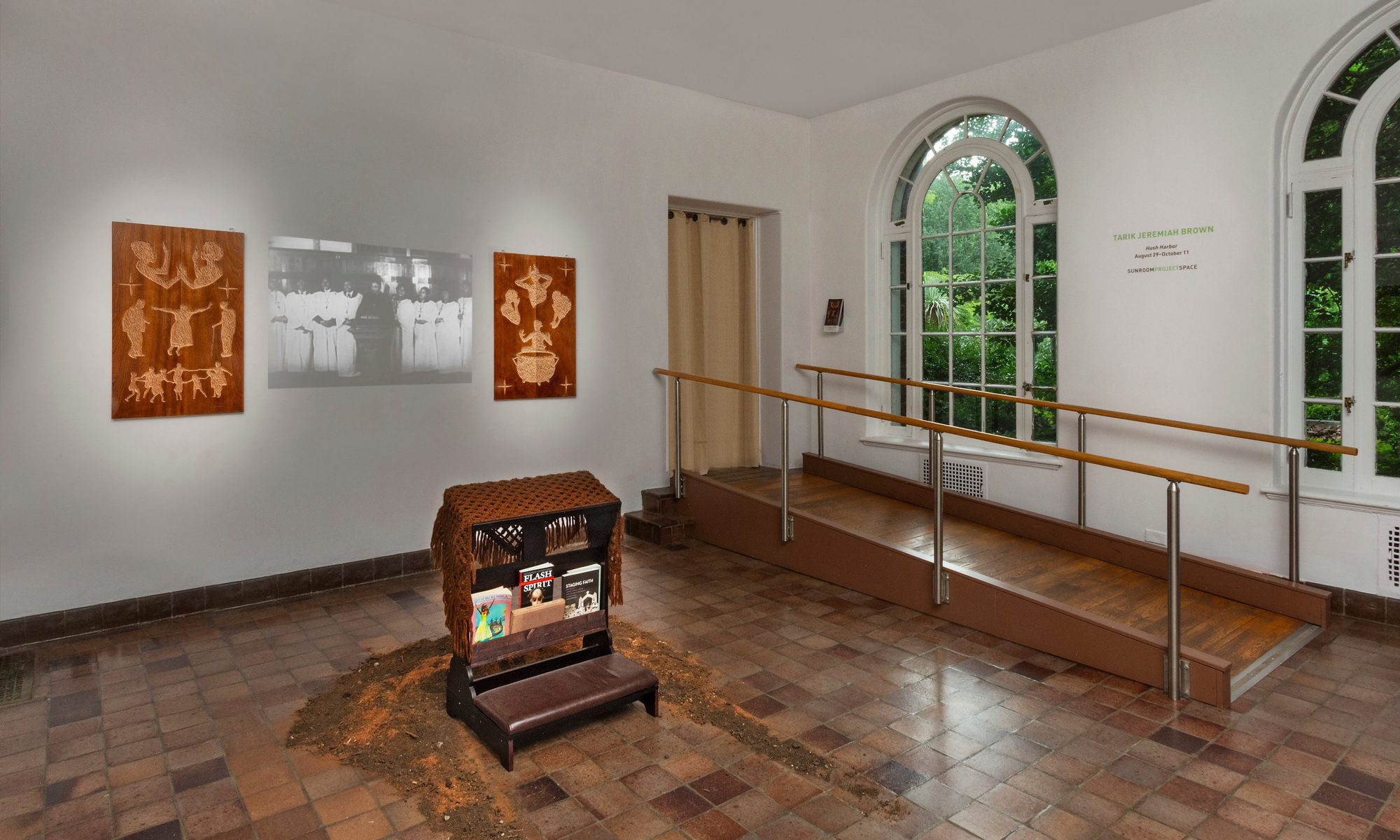
Exhibition view of Tarik Jeremiah Brown

An autumnal lineup of exhibitions at Wave Hill delve into the splendor of the landscape through intersections of nature, societal transmission, history, and political climate. These engagements are created through processes involving acts of listening, archival practices, explorations of bodily autonomy and mythologies. The following is an interview with Wave Hill curators Rachel Gugelberger and Gabriel de Guzman, unpacking key takeaways about its most recent projects. 

Continue reading “Autumn Exhibitions at Wave Hill”

“Best by 07/21/2026” at Eli Klein Gallery

Installation view of "Best by 07/21/2026" at Eli Klein Gallery

For artists Clare Hu, Tianyi Sun, and Shaan Ken Rao, their residency-then-exhibition is already well past its expiration date. Entering the group show Best by 07/21/2026 may feel more like intruding on a gallery’s installation or deinstallation than attending its finished presentation. Moving blankets are spread across the walking path, with splashes of white paint visible on the quilted fabric. Glass tables lean on white walls. Enter the back room, and you may trip over one of many sandbags, or duck your head under the arm of a swinging C-stand. 

Continue reading ““Best by 07/21/2026” at Eli Klein Gallery”

Beautifully Fall Apart

Installation view of After Throwing, featuring works by Yuqian He.

Women constantly fall, from rule, from discourse, from childbirth, from ecstasy, from sacrifice, from love, from anguish. We are still in the place of repeatedly coalescing to regain voice and visibility across political, economic, pedagogical, and creative fields. Comprehending it through cultural theorist and sociologist Angela McRobbie, we see that women are made to bear greater precarity, conditioned by institutions, by discourse, by an economy that asks for passion in place of pay; entering the creative fields comes with a demand to be self-managing, enterprising and unquestioningly cheerful about it. Women might be naturally leading the creative sector but meanwhile, fall heavily onto body, conditions and time, carrying its costs behind the facade of the neoliberal art industry.

Continue reading “Beautifully Fall Apart”

What Remains, What Connects: Tulu Bayar Explores Home Through Material and Memory

In What Remains, What Connects: Stories in Assembly, on view at Amos Eno Gallery, Tulu Bayar brings together two distinct yet deeply connected bodies of work that approach the question of “what is home?” from different perspectives. Together, they reveal home not as a fixed location but as something more amorphous, continually assembled through lived experience, collective memory, and our relationship to place.

Continue reading “What Remains, What Connects: Tulu Bayar Explores Home Through Material and Memory”

Growing After the Embers: A Review of Bùi Thanh Tâm’s Solo Exhibition Here on and after

Installation view of Here on and after

For a long time, when I was young, I felt distant from the idea of “history.” In textbooks, history always appeared through years, wars, reforms, and changes of political power, as if it were made of events already organized and settled. Yet the history that truly remains in the body often appears in more hidden forms. It may be a silence within family narratives, a memory that one generation chooses to avoid, a recurring pattern in festive images, or a color that seems joyful while quietly carrying a wound. Very often, history continues to exist in another form, lingering in images, bodies, and everyday experience.

Continue reading “Growing After the Embers: A Review of Bùi Thanh Tâm’s Solo Exhibition Here on and after”

Like Cotyledons Buckled with Loam: Conversations and Inspirations

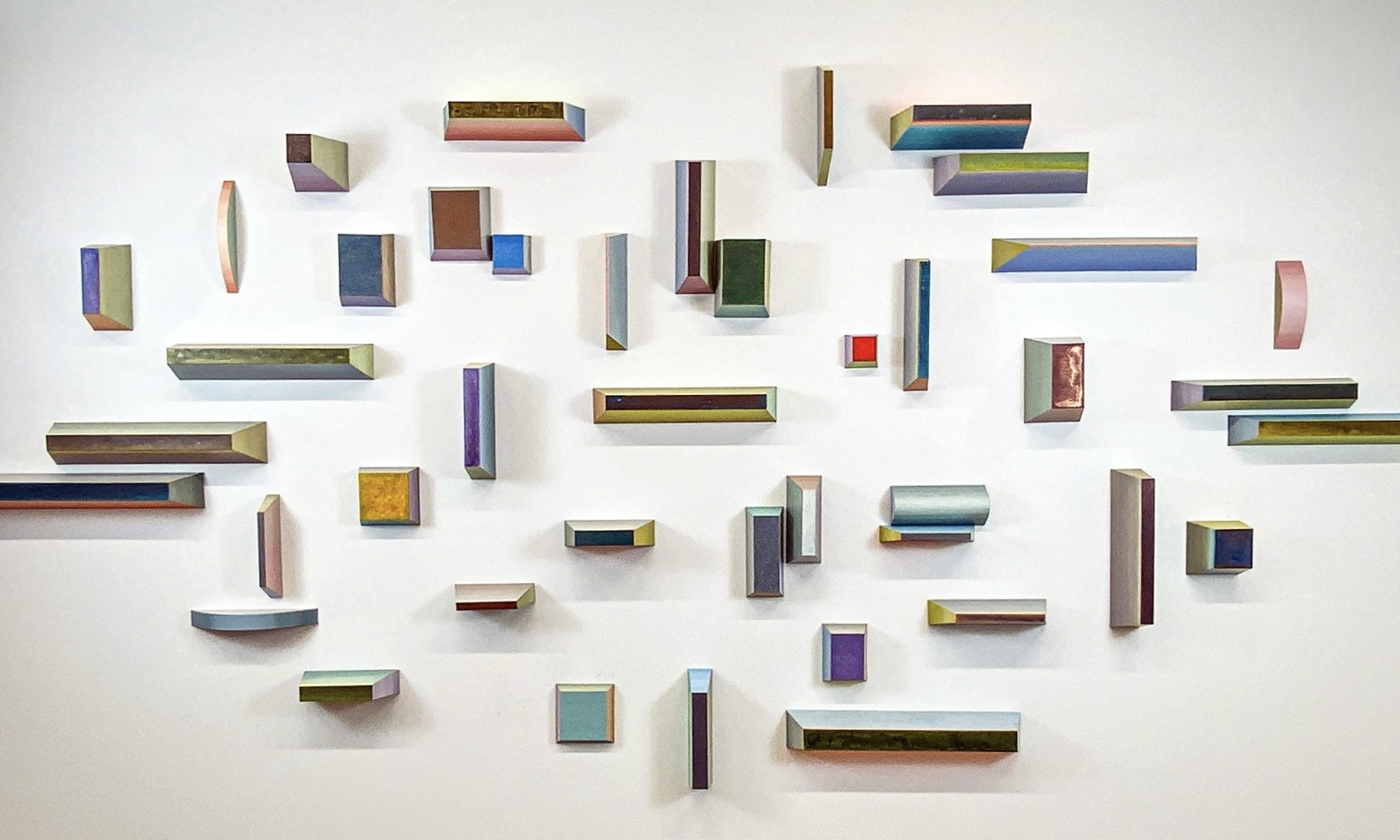
Jodie Manasevit

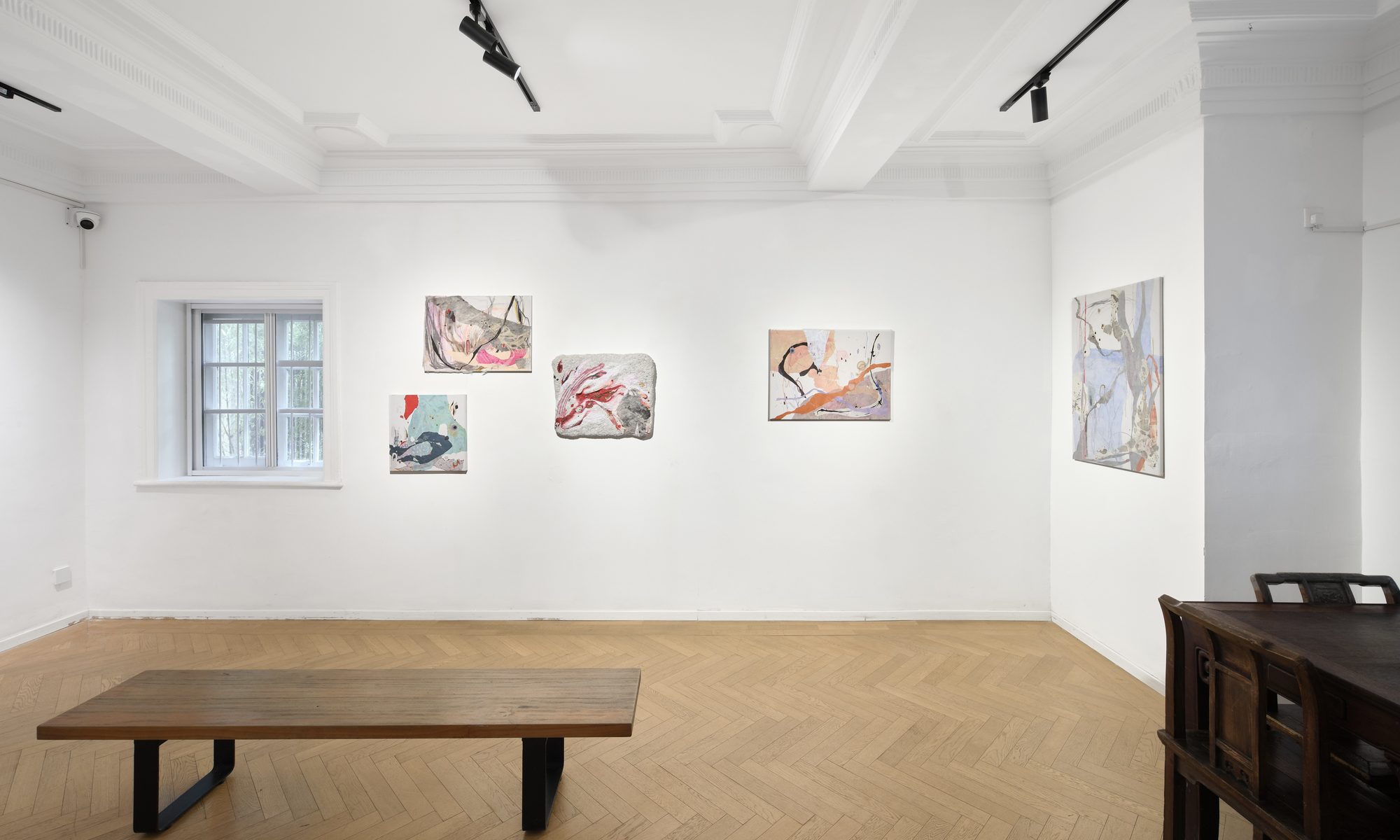
Walking into the group exhibition, Like Cotyledons Buckled with Loam at Art Cake, curated by David Dixon, you are first greeted with a piece by Thomas Nozkowski. This piece is one of three included in the exhibition, each serving as a foundational anchor point in the show. Within the paintings, Nozkowski abstracts forms or fractions of events, allowing viewers to experience the essence and bring their own associations to the works.

Continue reading “Like Cotyledons Buckled with Loam: Conversations and Inspirations”

Tom LaDuke’s Dream Sets for a Lost Message

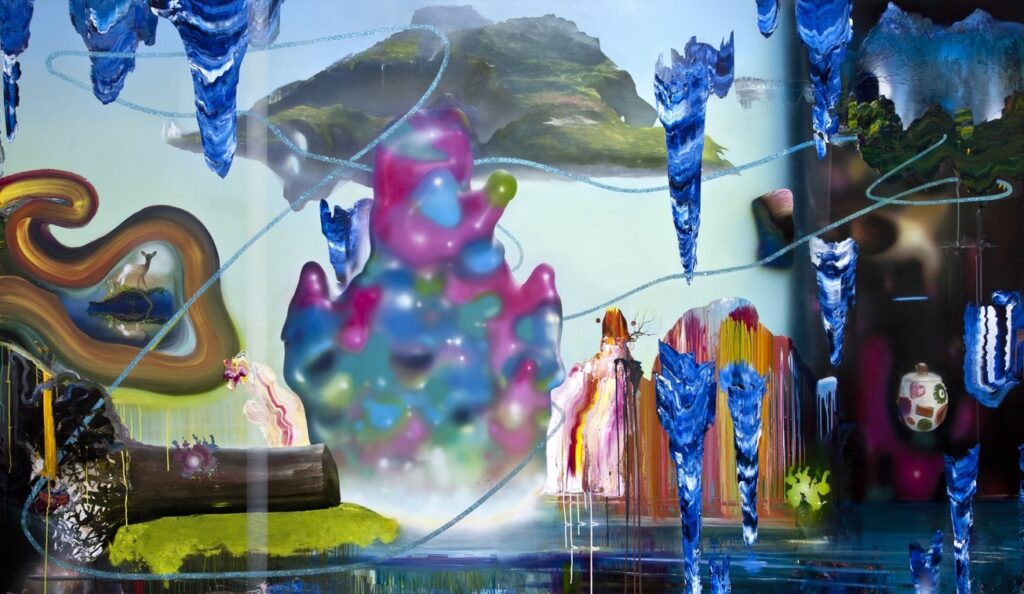
Tom LaDuke, Chain, 2015, Acrylic and canvas over panel, 87” x 153”

Across trippy, iridescent seas, massive, eerie interiors, and uncanny, translucent forms, Tom LaDuke composes intimate “letters” to the cultural ghosts that shaped him—poetic reflections on perception, memory, and the subtle currents of emotional drift.

Love letters straight from your heart
Keep us so near while apart
I'm not alone in the night
When I can have all the love you write

– Love Letters by Heyman and Young
Continue reading “Tom LaDuke’s Dream Sets for a Lost Message”