It Takes a Village at Freight and Volume
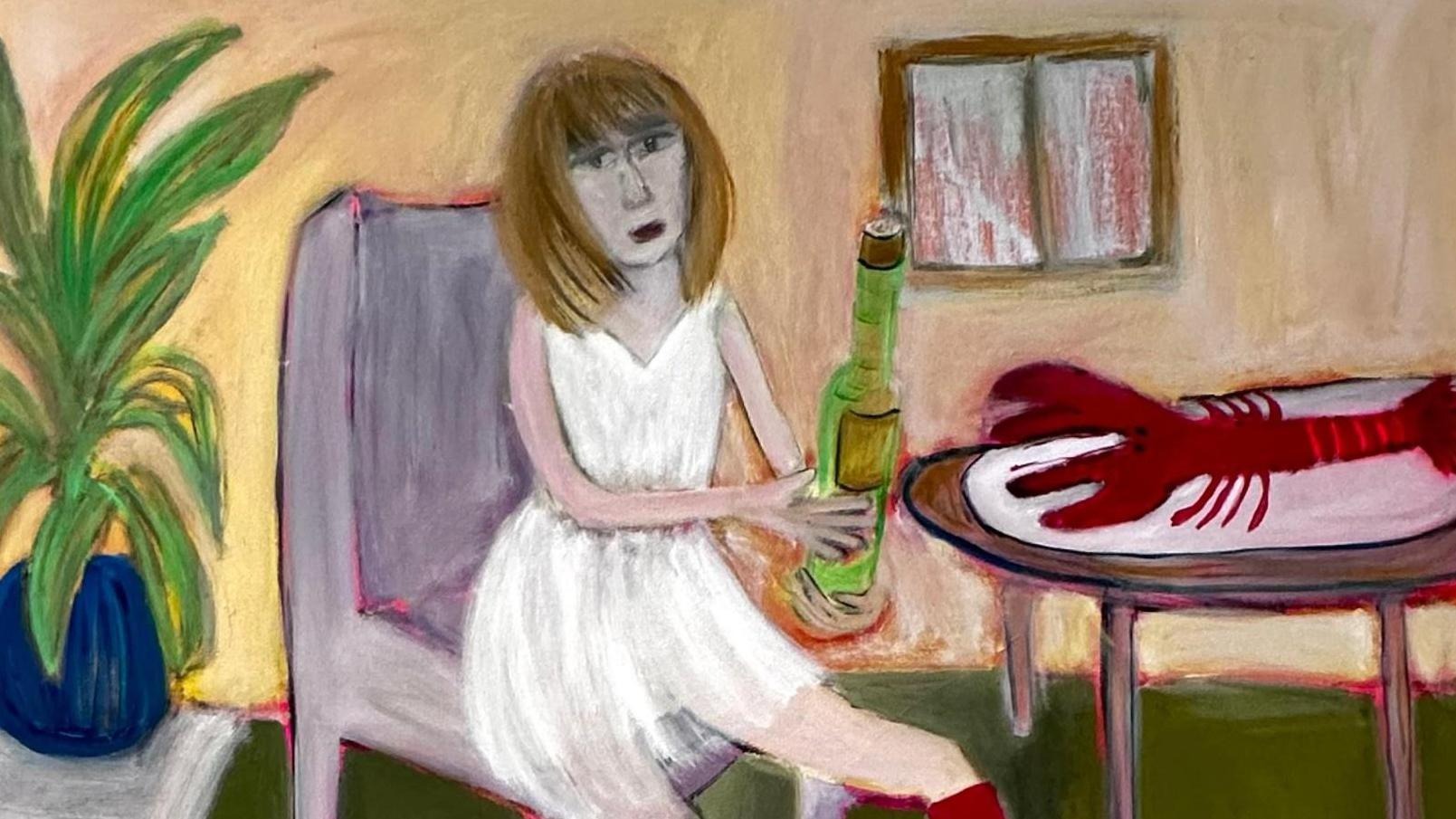
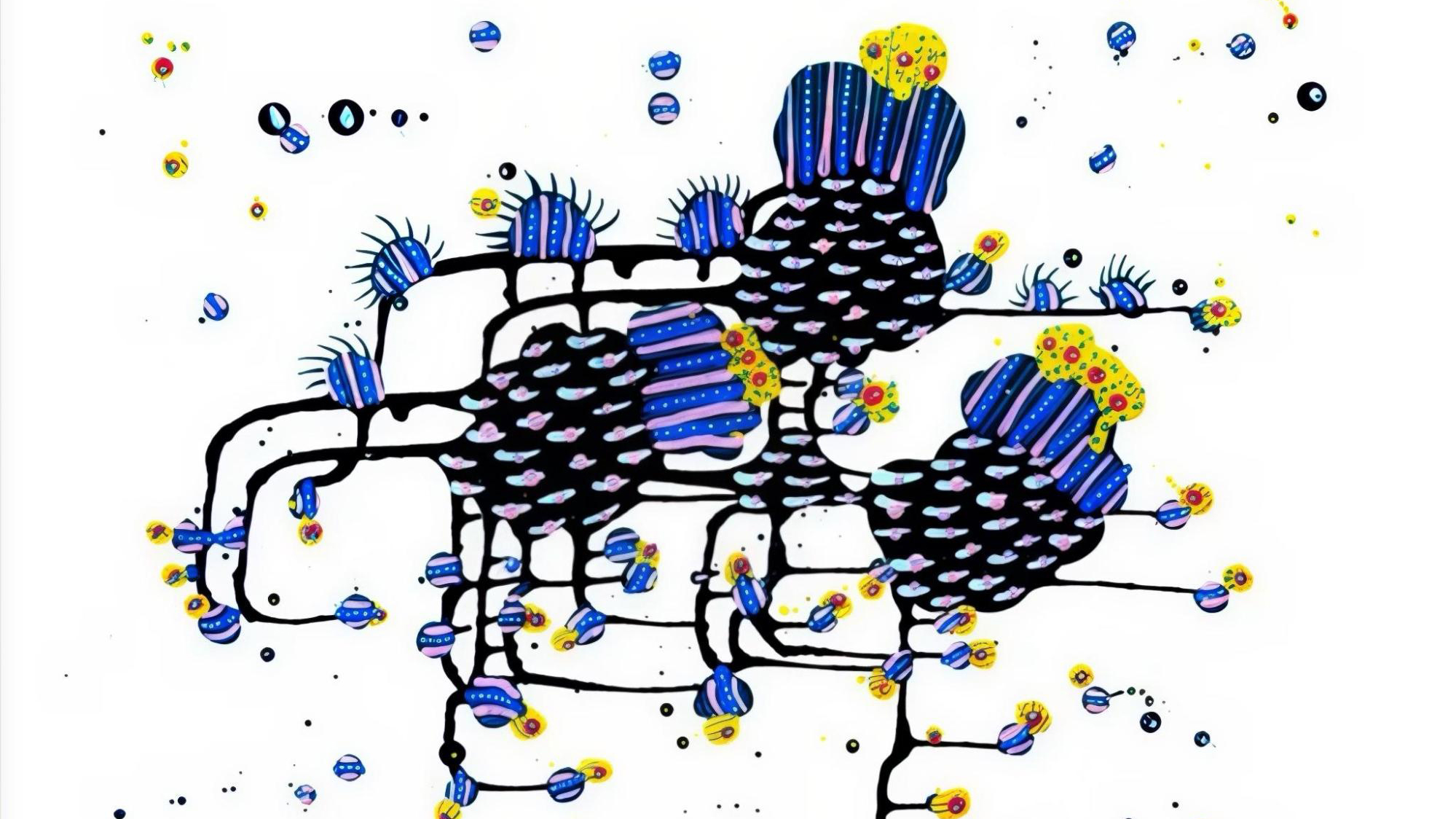
The most subtle acts are often the most cathartic. In times of relentless upheaval and injustice, simple moments can feel Herculean by measure. The current exhibition at Freight and Volume, It Takes A Village, focuses on daily ritual as a gate of entry. Artists Andrea Castillo, Nancy Elsamanoudi, and Baran Shafiey blend nuanced elements with doses of surreality, resulting in invitations into spaces that delightfully offer more questions than answers. Each work is a reckoning with the quietude of in-betweenness. Each artist is a painter working in figuration; yet the similarities end there, and the departures are as varied as one can imagine. 

Continue reading “It Takes a Village at Freight and Volume”

The Absence is in the Fingers 

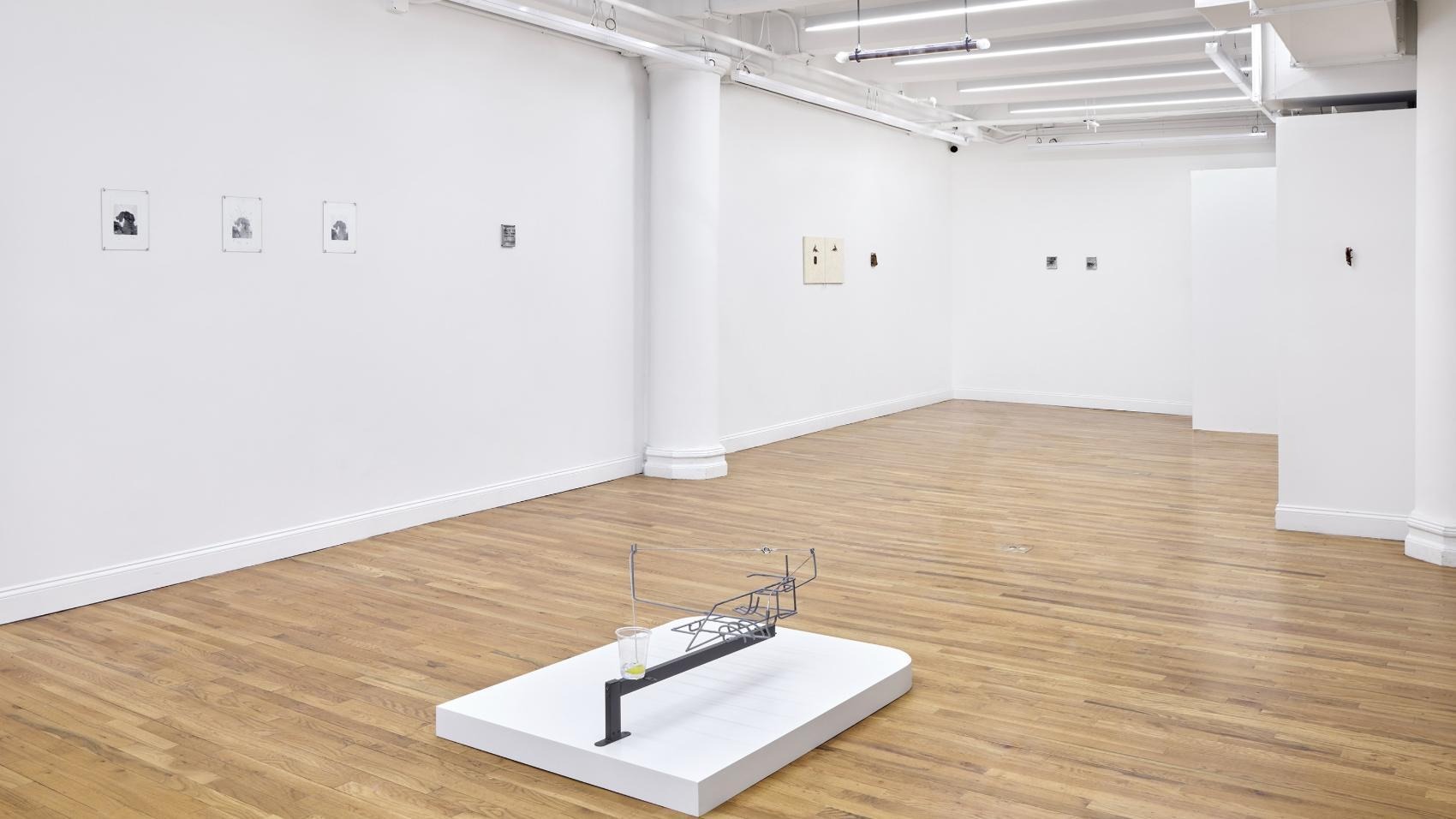
There are exhibitions shaped less by what is installed than by what fails to arrive. I did not plan for this to be one of them. Where Form Remembers was conceived as a two-person presentation: Julie Gladstone’s mixed-media works traveling from Toronto, Avani Patel’s drawings from Brooklyn. The premise was a dialogue between two practices in proximity, each distinct enough that the distance between them would produce something worth engaging over time. What it became was different.

Continue reading “The Absence is in the Fingers “

Learning Where There Is No Bottom: On the Thresholds of Swim Lessons

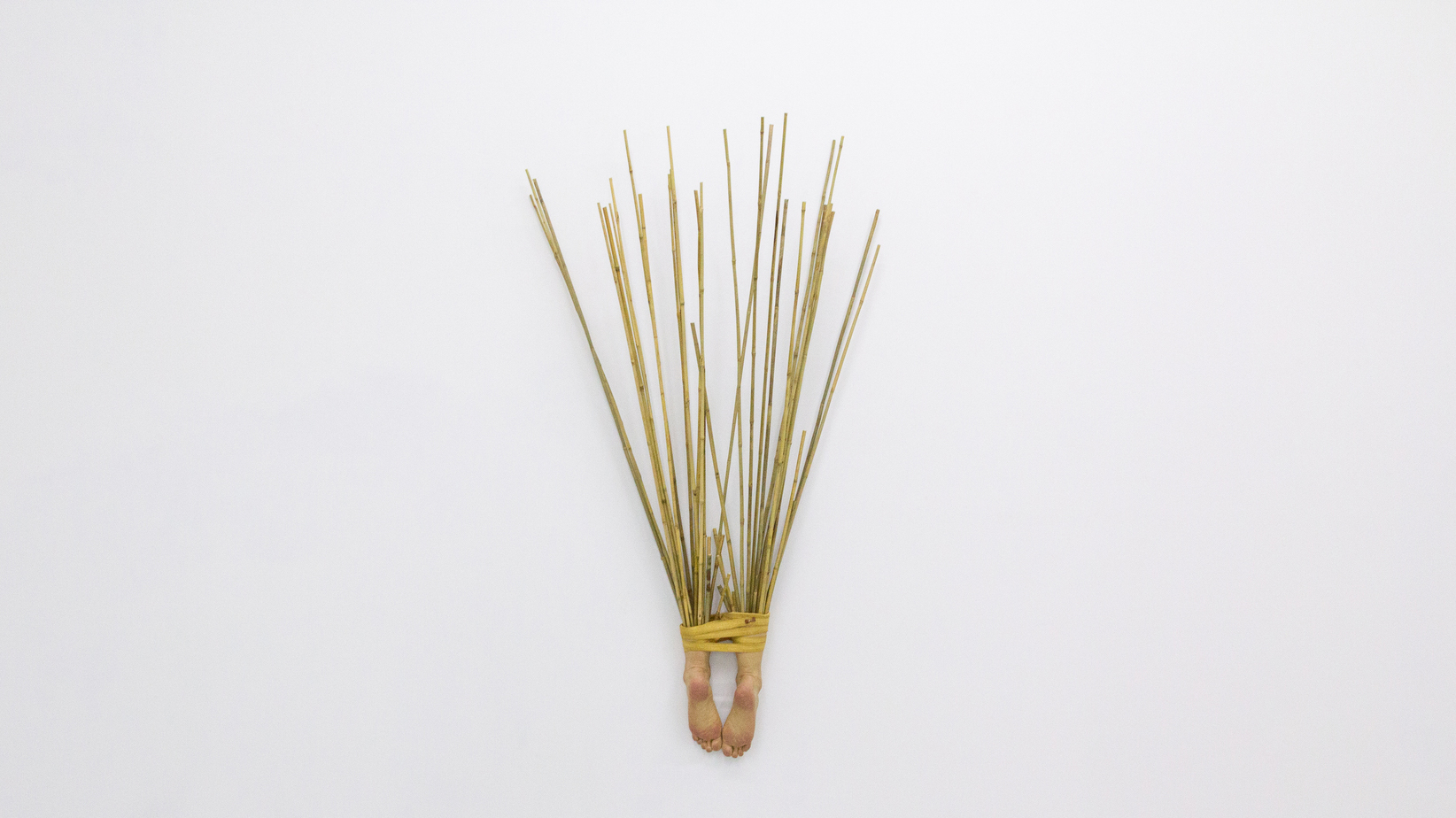
When I first learned how to swim as a child, my instructor told me to hold onto the edge of the pool and practice kicking. He counted the rhythm aloud, occasionally adjusting the angle of my body. Water kept splashing into my face, yet I could not make myself move forward. The actions had been broken down into steps: kicking, stroking, breathing, and I seemed to complete each one, but they never came together as a whole. Then, at some point, I stopped sinking. I still cannot say what exactly happened in that moment.

Continue reading “Learning Where There Is No Bottom: On the Thresholds of Swim Lessons”

Departing From The Flat World: Jong Oh’s Sixth Solo Exhibition At Marc Straus Gallery

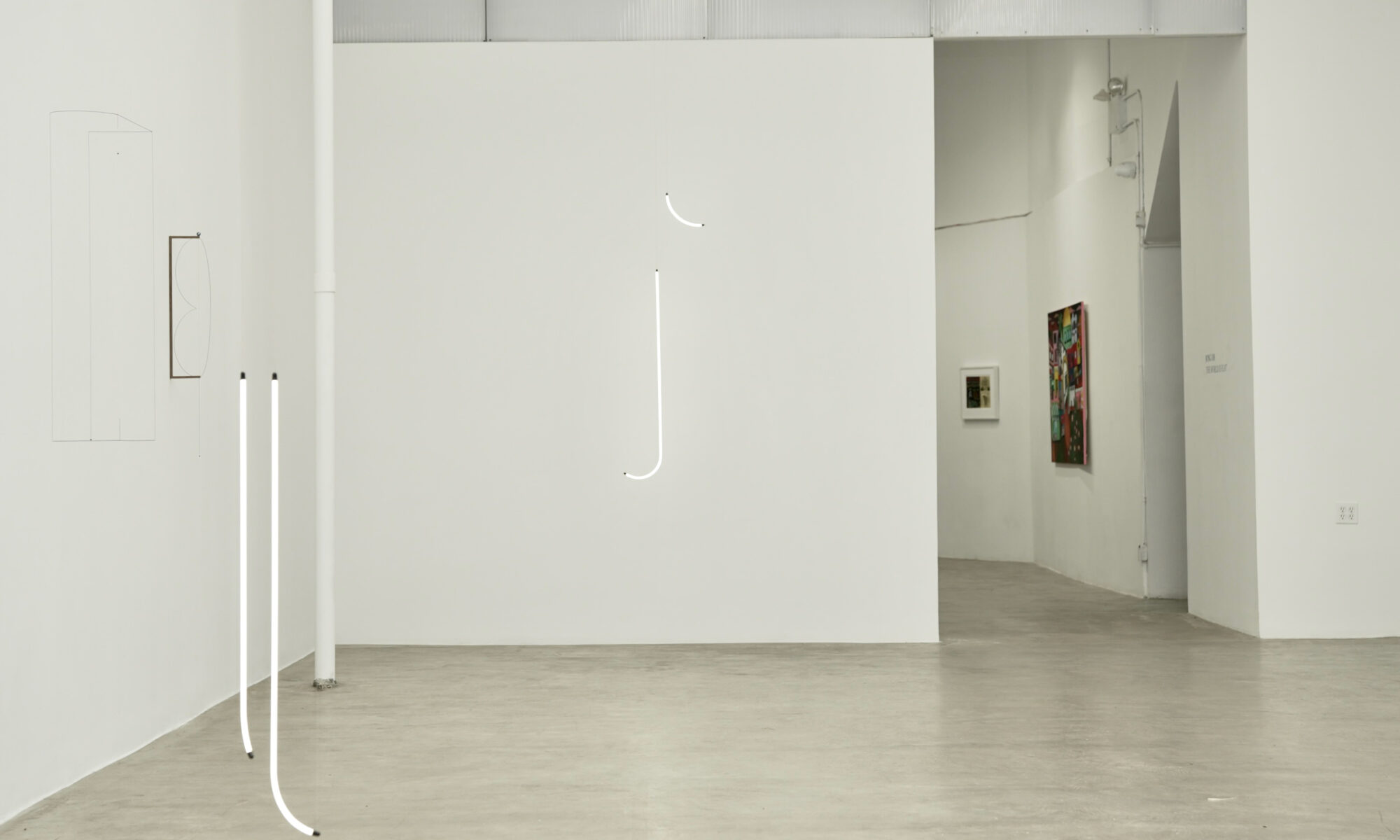
“The world is flat” is perhaps humans’ most primitive sense of physical surroundings. It was also a cosmological conclusion drawn from honest bodily perception, because the land beneath our feet is indeed still and level, and the universe unfolds as an infinitely extending plane. This perceptual honesty is where Jong Oh begins. 

Continue reading “Departing From The Flat World: Jong Oh’s Sixth Solo Exhibition At Marc Straus Gallery”

Andrius Alvarez-Backus: I Want to Know, I Need to Know

In Andrius Alvarez-Backus’s solo exhibition, I Want to Know, I Need to Know, at Eli Klein Gallery, the work Are You Still Strong Enough? (2025) emerges as the visual center of the show’s underlying tension. A My Little Pony toy hangs vertically, the surface covered in bronze patina, while the incision along its abdomen is carefully stitched closed. What was once a lighthearted and slightly absurd object becomes, through this treatment, both fragile and solemn. Its form evokes a body after surgery, yet also resembles a preserved specimen. However, the meticulous stitching does not suggest that the wound has truly healed. Instead, the seam runs along the body, leaving the incision exposed and gradually becoming part of the sculpture’s structure. The suturing does not erase the rupture; it keeps the rupture visible. The wound is no longer simply a trace of intervention, but the structural element through which the work sustains its tension.

Continue reading “Andrius Alvarez-Backus: I Want to Know, I Need to Know”

Let the silence take over: On words, inner compass, and patience

Looking at Art

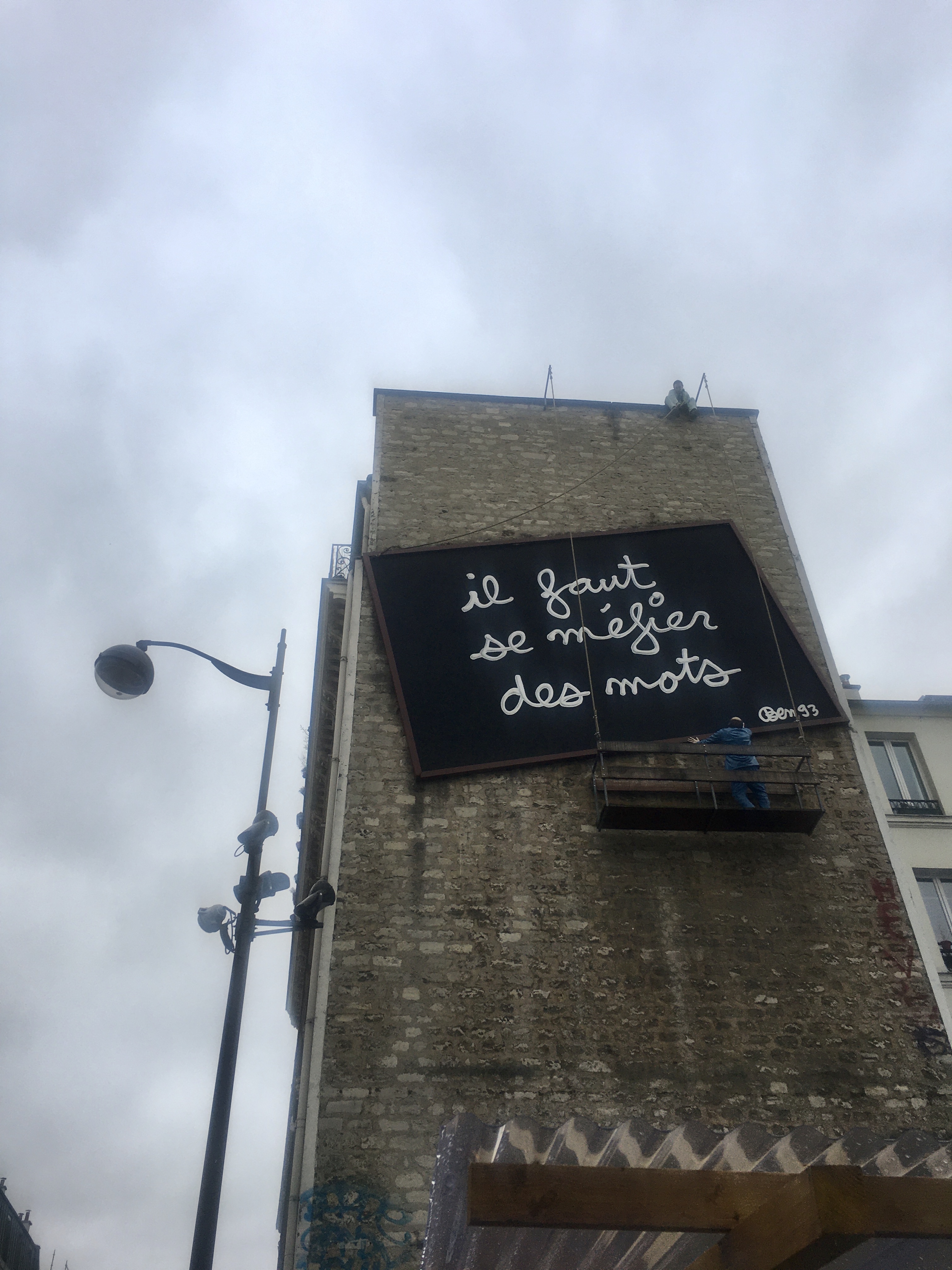
ilfautseméfierdesmots.jpg

Il faut se méfier des mots (Beware of words), Ben, 1993. Belleville, Paris, France. Photo: Astrid Dick

To make a painting is not easy. To look at a painting is not an easy matter either, as it requires the viewer’s disposition and willingness to engage with it beyond words and labeling. Our brains like to pin things down, using minimum resources to move on to the next task as quickly as possible. They latch on to words. Yet the moment words enter our minds, we’re not really looking anymore.

Continue reading “Let the silence take over: On words, inner compass, and patience”