Still / Moving at San Luis Obispo Museum

Still / Moving, San Luis Obispo Museum of Art
In Dialogue

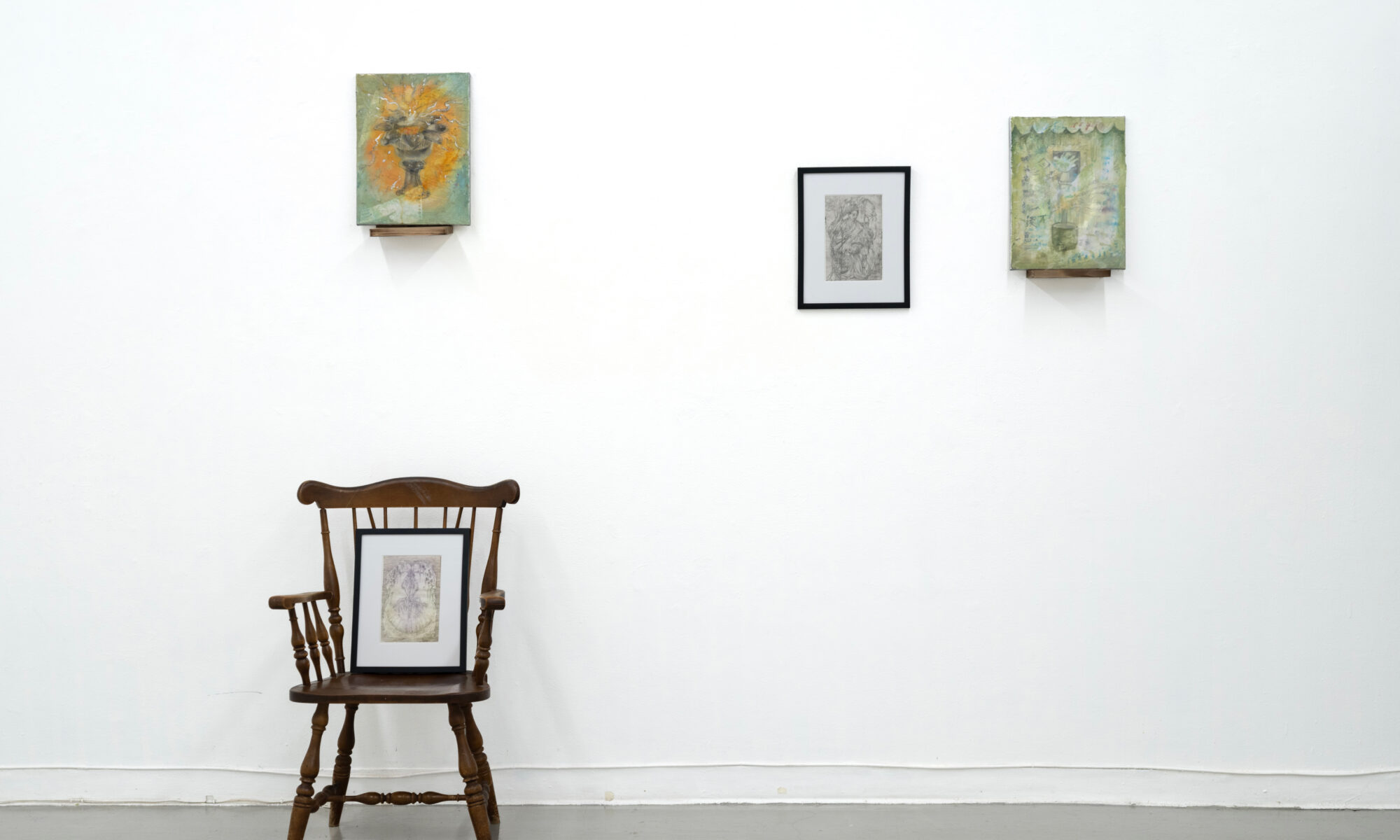
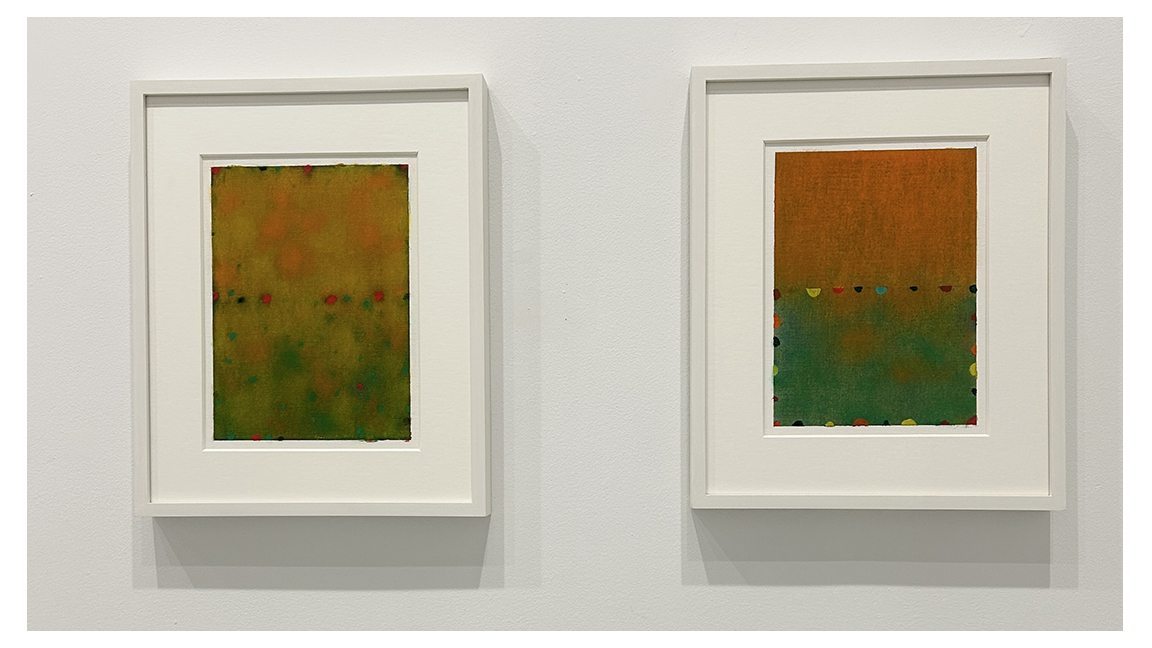
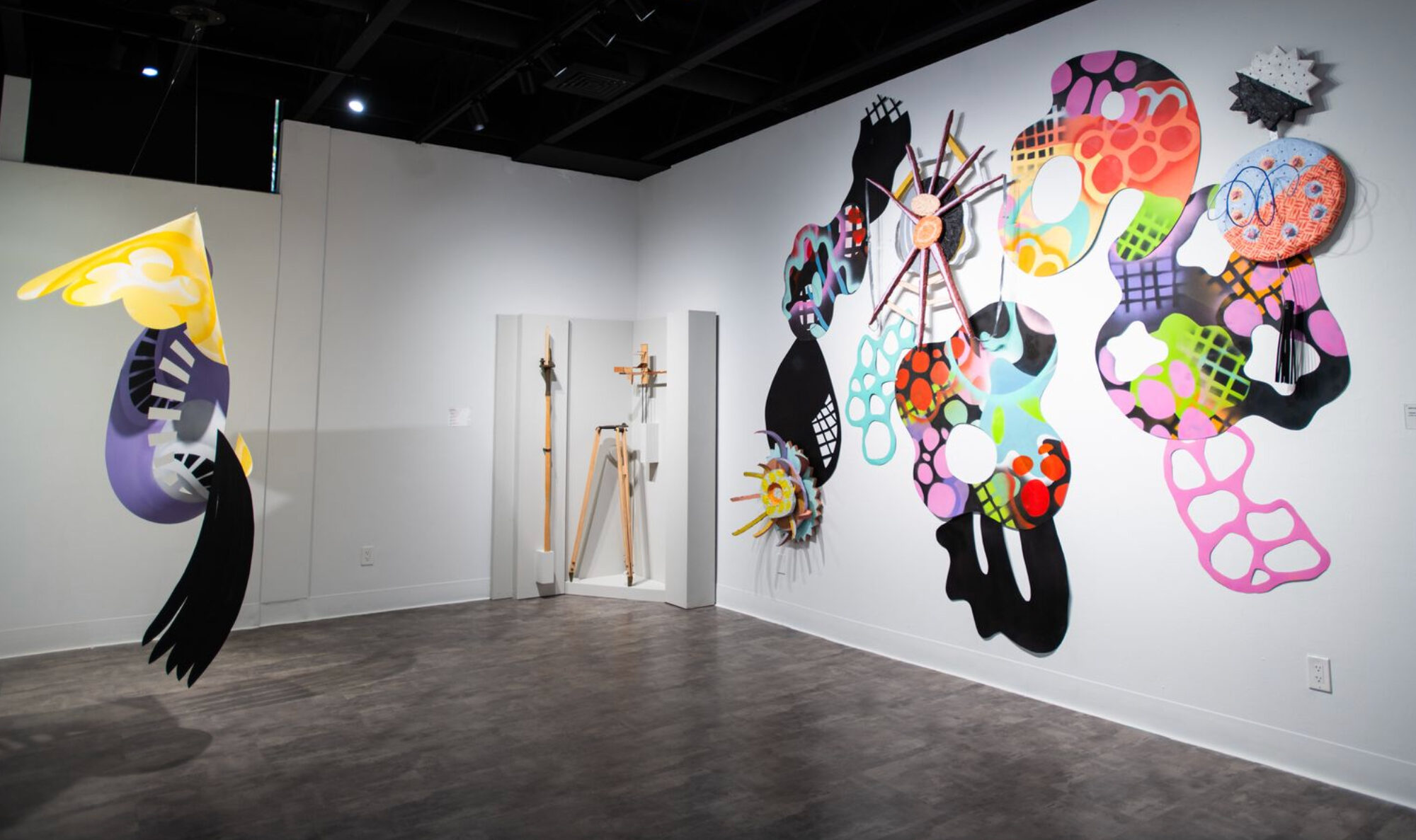
Adria Arch and Keith Wiley had never met before working on Still / Moving, their exhibition at the San Luis Obispo Museum of Art. Living on opposite coasts—Arch in Boston and Wiley in Atascadero—they developed the project from afar, connecting through shared images, ideas, and a common interest in movement and form. In the exhibition, Arch’s bright paintings and hanging shapes reach outward with color and rhythm. Her flowing, curving forms feel energetic and playful, as if they are moving through the air. Wiley’s portal-like sculptures draw viewers closer. Built from small marks and quiet details, they invite pause and careful looking, with openings that pull you inward. Emma Saperstein, the exhibition curator, discusses her curatorial vision and reflects on the museum as a venue for this project.
Continue reading “Still / Moving at San Luis Obispo Museum”

Art Seen Philadelphia: Winter 2026

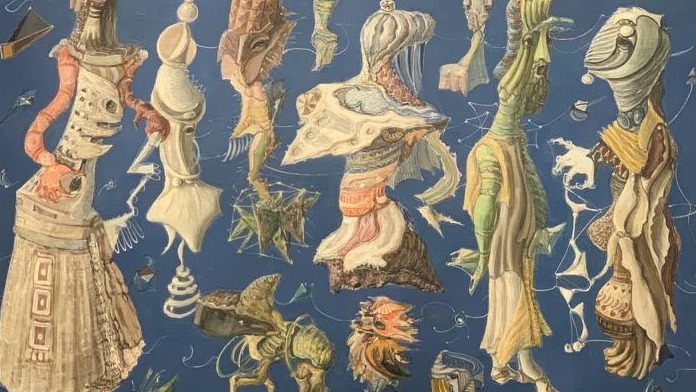
Suzanne Van Damme, Surrealist Composition
HIGHLIGHTS

As the vague New Year comes barreling in, trailing behind is a hazy fog that distorts perceptions of time and space, folding into one another like delicate parchment paper. It reads as hopeful uncertainty, especially as artists create in response to their surroundings. It is in those folds that art and dreams converge to inspire fantastical work that propels us into a new reality.

Continue reading “Art Seen Philadelphia: Winter 2026”

John Avelluto: AI, Synthetic Memory, and the Fabrication of Identity

John Avelluto

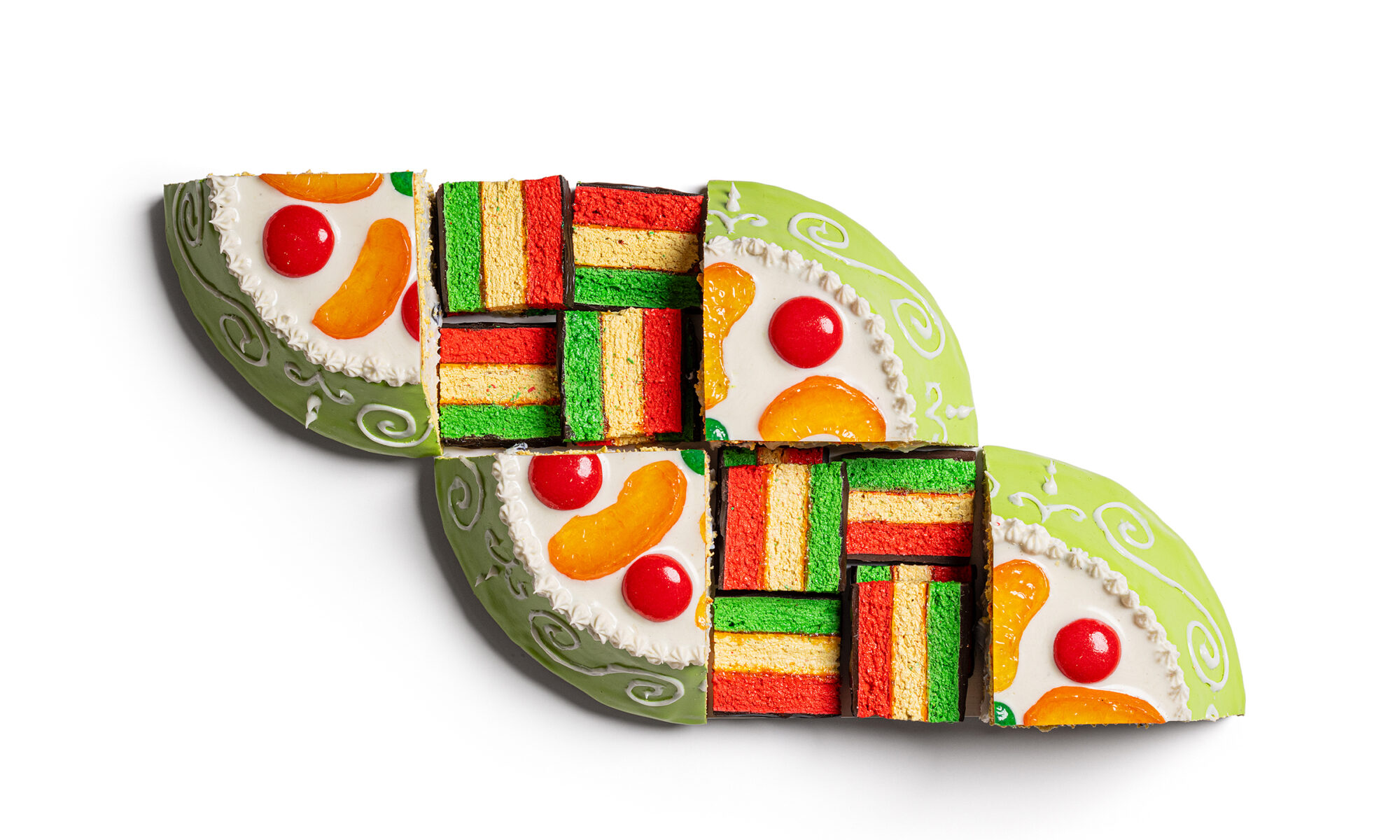
For many years now, John Avelluto has used trompe-l’œil and sculptural hyperrealism to unsettle the stereotypical trappings of Italian American identity, particularly its relationship to food. As in many other migrant communities, food functions as a vessel of memory and belonging, often bearing a disproportionate symbolic charge. Avelluto’s lifelike slices of acrylic mortadella and mounds of rainbow cookies confront this issue directly: they turn the charged history of foodways and their role in shaping communal narratives into something at once seductive and ridiculous. Viewers are forced to contend with the absurdity of articulating an entire national identity through piles of candies, pastries, and cold cuts elevated to the status of icons.

Continue reading “John Avelluto: AI, Synthetic Memory, and the Fabrication of Identity”

Mia Westerlund Roosen: Then and Now

Mia Westerlund Roosen: Then and Now

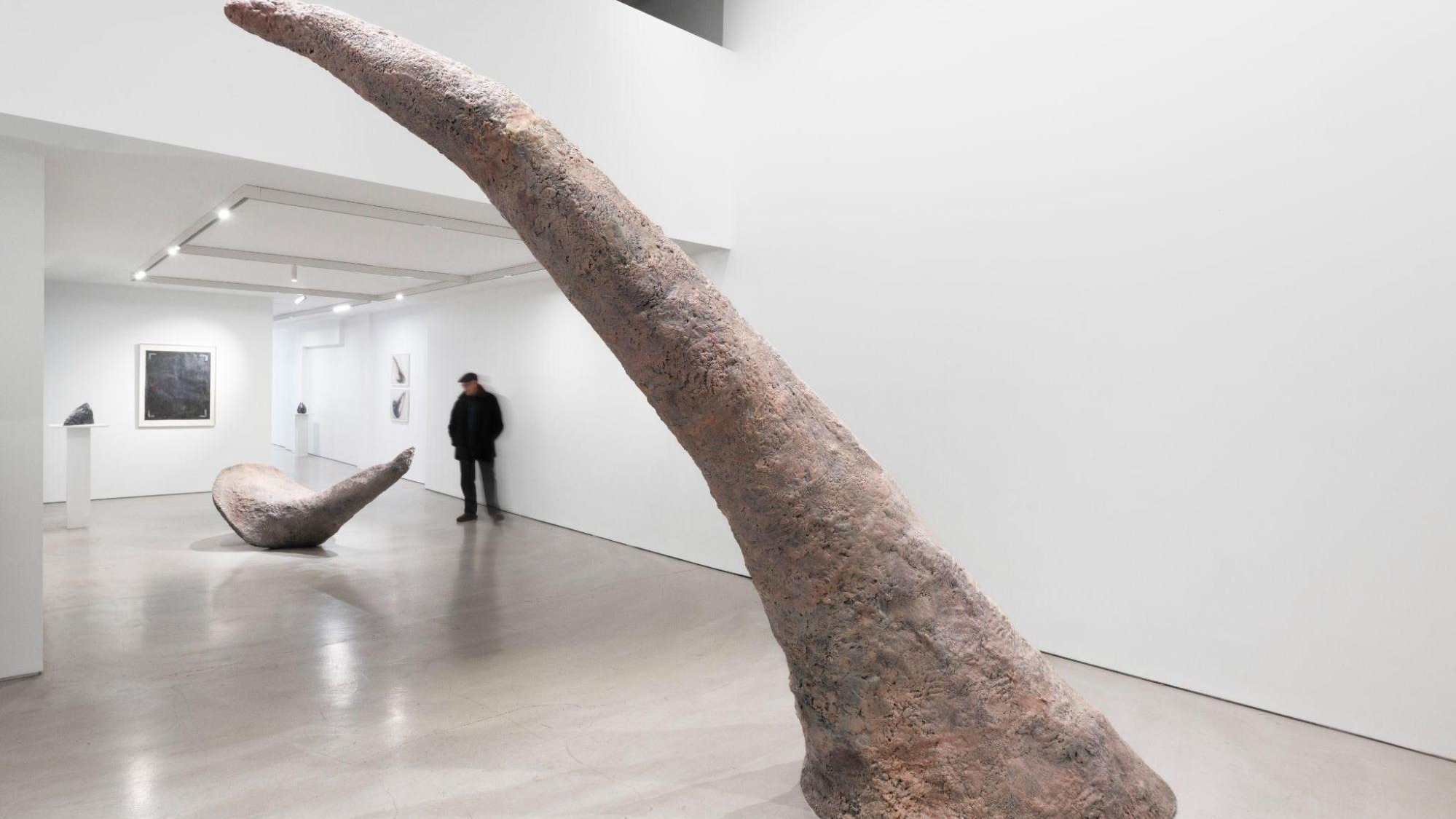
When I enter Nunu Fine Art in SoHo, New York, my body registers Mia Westerlund Roosen’s work before my mind does. Two tall forms, Heat (1981) and Conical (1981), lean into the room with a quiet insistence, their weight felt rather than announced. They rise from the floor with muscular arcs, tapering upward, commanding space without spectacle. I slow down instinctively, adjusting my path. These are not sculptures to be glanced at; they ask to be circled, negotiated, endured.

Continue reading “Mia Westerlund Roosen: Then and Now”

Natalie Moore: Capturing Mirage

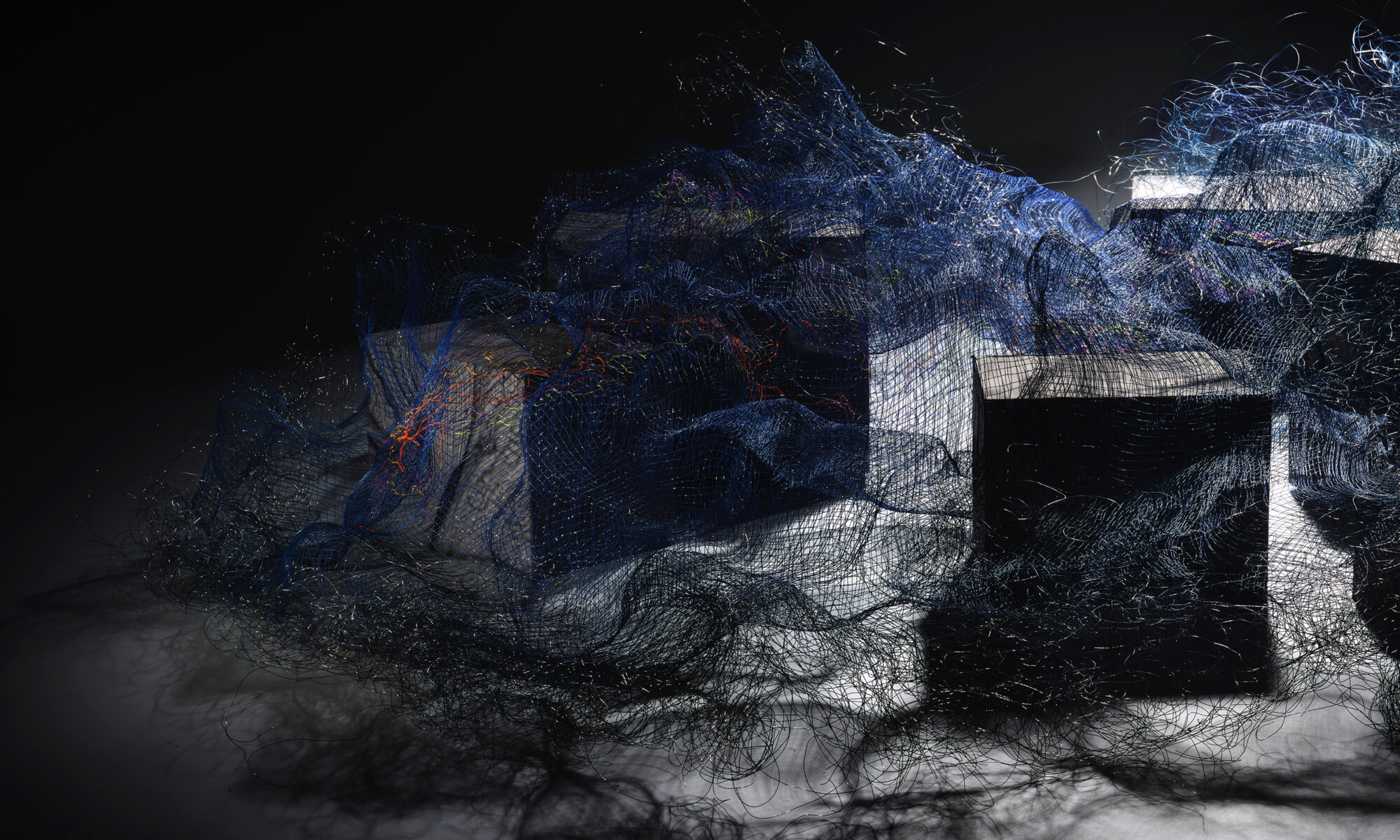
Natalie Moore, Spill, 2025,68”x 60” x 20”h, hand woven stainless steel wire, non-acrylic polymer, thread. Photo ©Martin Seck

Natalie Moore grew up in San Diego, California, and spent many summers in Norway with her mother’s family. Although she has lived in New York for much longer, the dramatic Californian and Norwegian landscapes remain a lasting influence. Climate and ecology have also become more present in her work over the last decade, as the climate crisis worsens and governments and corporations continue to minimize the effects of carbon emissions, pollution, water use, and chemical waste.

Continue reading “Natalie Moore: Capturing Mirage”

A Lure, A Lament at Gallery 456

A Lure, A Lament at Gallery 456

A clamor of murmurs without end. Several ghostly strands twisted strangely yet remained formless, wispy, and clinging, yet never settling into anything definite. Moving, then halting; halting, then moving again. Soft as if boneless, without body heat, yet inducing a tremor from within: a sudden burn, gooseflesh blooming in patches, sticky, viscous—caught and entangled by a reckless surge of ghostly energy. One slips from the ordinary into a hollow. A Lure, A Lament offers, at first encounter, precisely such a sensation. And yet its murmuring voice continues to drift, recounting wave after wave of fragrant air.

Continue reading “A Lure, A Lament at Gallery 456”

Like Cotyledons Buckled with Loam: Conversations and Inspirations

Jodie Manasevit

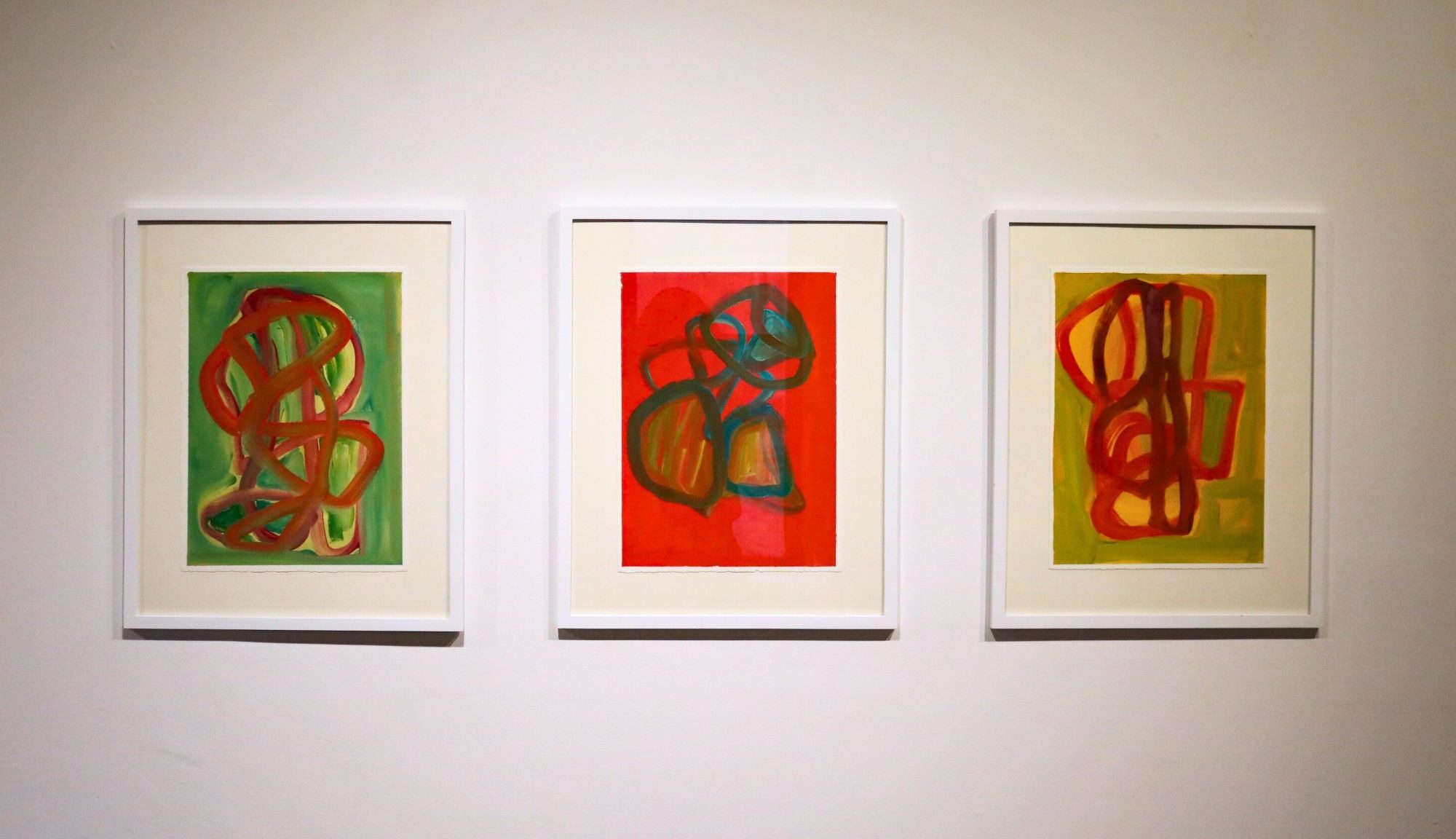
Walking into the group exhibition, Like Cotyledons Buckled with Loam at Art Cake, curated by David Dixon, you are first greeted with a piece by Thomas Nozkowski. This piece is one of three included in the exhibition, each serving as a foundational anchor point in the show. Within the paintings, Nozkowski abstracts forms or fractions of events, allowing viewers to experience the essence and bring their own associations to the works.

Continue reading “Like Cotyledons Buckled with Loam: Conversations and Inspirations”

Rifka Milder Paints Downtown Without the Downtown Act

Rifka Milder, Madrid #6, #15, #14

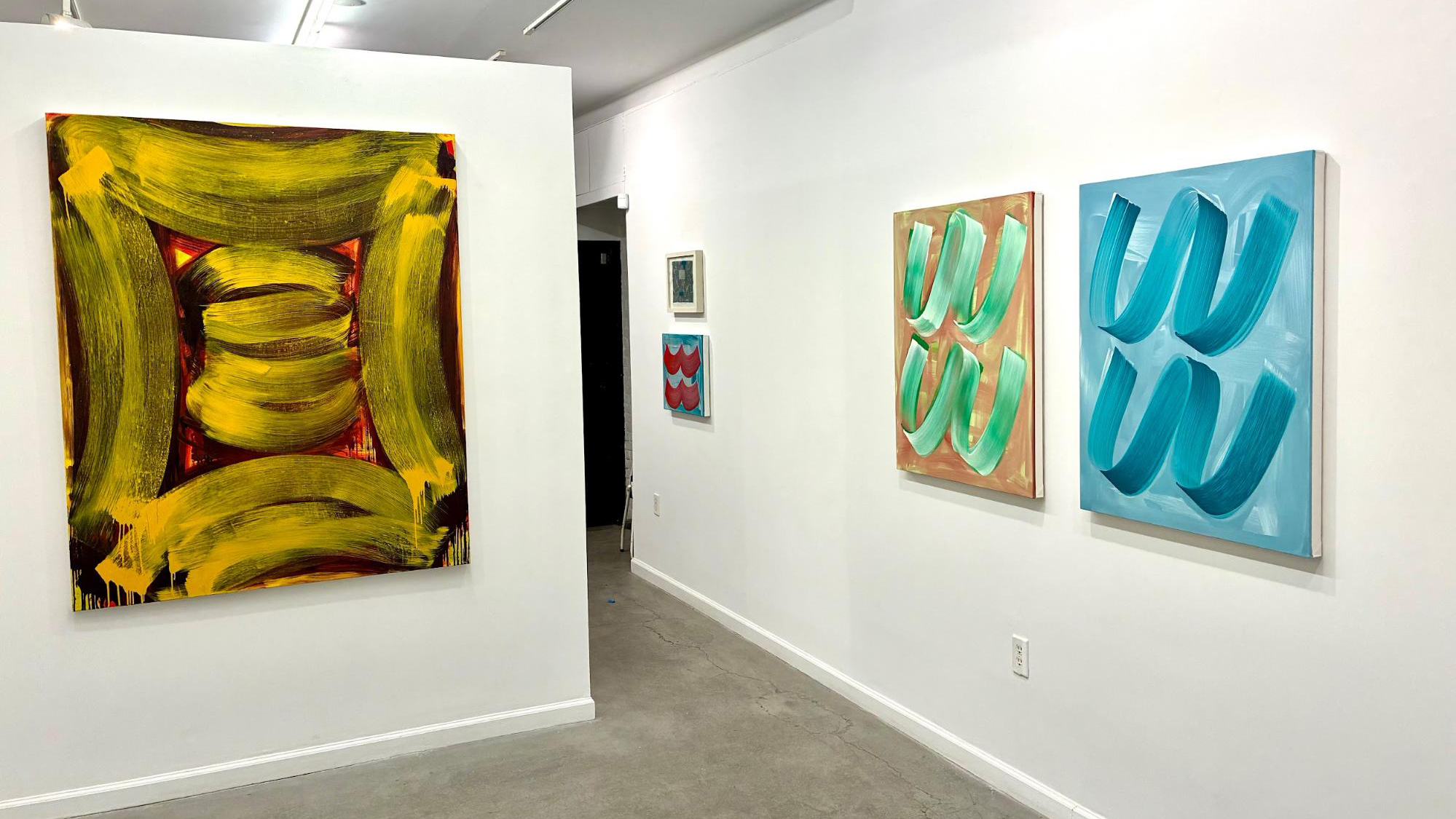
New York City loves a label the way it loves a line outside a new restaurant: there is the promise of significance and the reassurance that someone else has already decided what matters. The label flatters, then quietly ends the conversation. The oil painter Rifka Milder’s work refuses that bargain. Call her a “downtown painter,” and you’re not wrong, but her new solo show at Helm Contemporary, GREAT JONES, is what happens when someone who actually grew up downtown, in a household run on paint and argument, makes abstraction that declines to become neighborhood branding. Art in America once called her “an oil painter’s painter.”

Continue reading “Rifka Milder Paints Downtown Without the Downtown Act”

Anne Russinof – Gestural Symphony at Equity Gallery

Anne Russinof

Emily Berger met the late painter and artist, Anne Russinof, twenty years ago at The Painting Center in New York. Russinof’s intelligence and presence were immediate. A friendship formed around their work—studio visits, openings, exhibitions, and eventually, showing together. Both were committed to abstract painting and supported each other’s practice. Berger curated this exhibition of Russinof’s elegant, rigorous paintings at Equity Gallery to bring them wider recognition. What Russinof left behind is a powerful body of work. “I believe she would be pleased with the exhibition, the beautiful catalog designed by Patricia Fabricant, and the thoughtful, poetic writing from Paul D’Agostino and friends,” Berger says.

Continue reading “Anne Russinof – Gestural Symphony at Equity Gallery”