Floating in Three Acts- Keren Anavy at SUNY

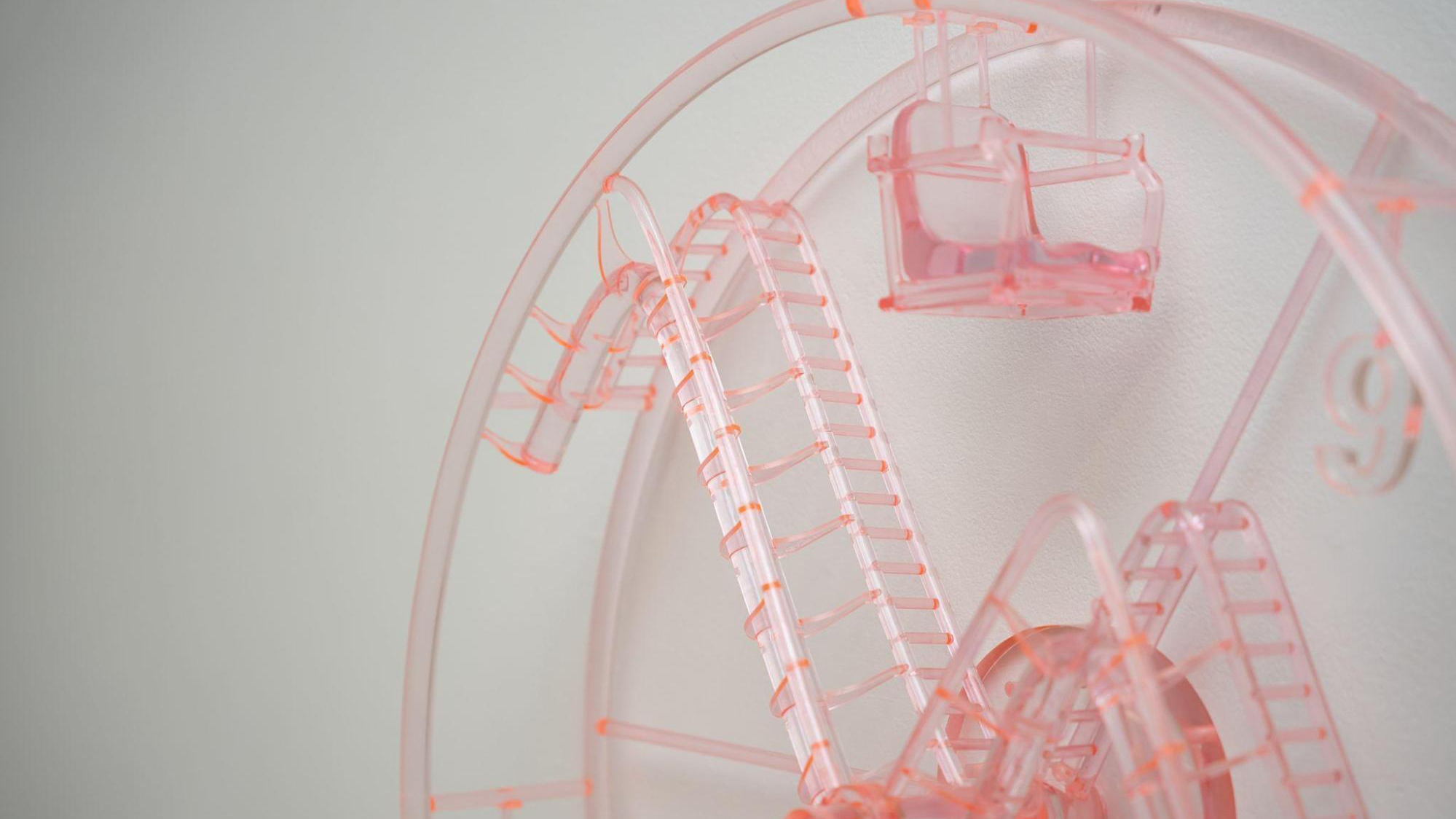
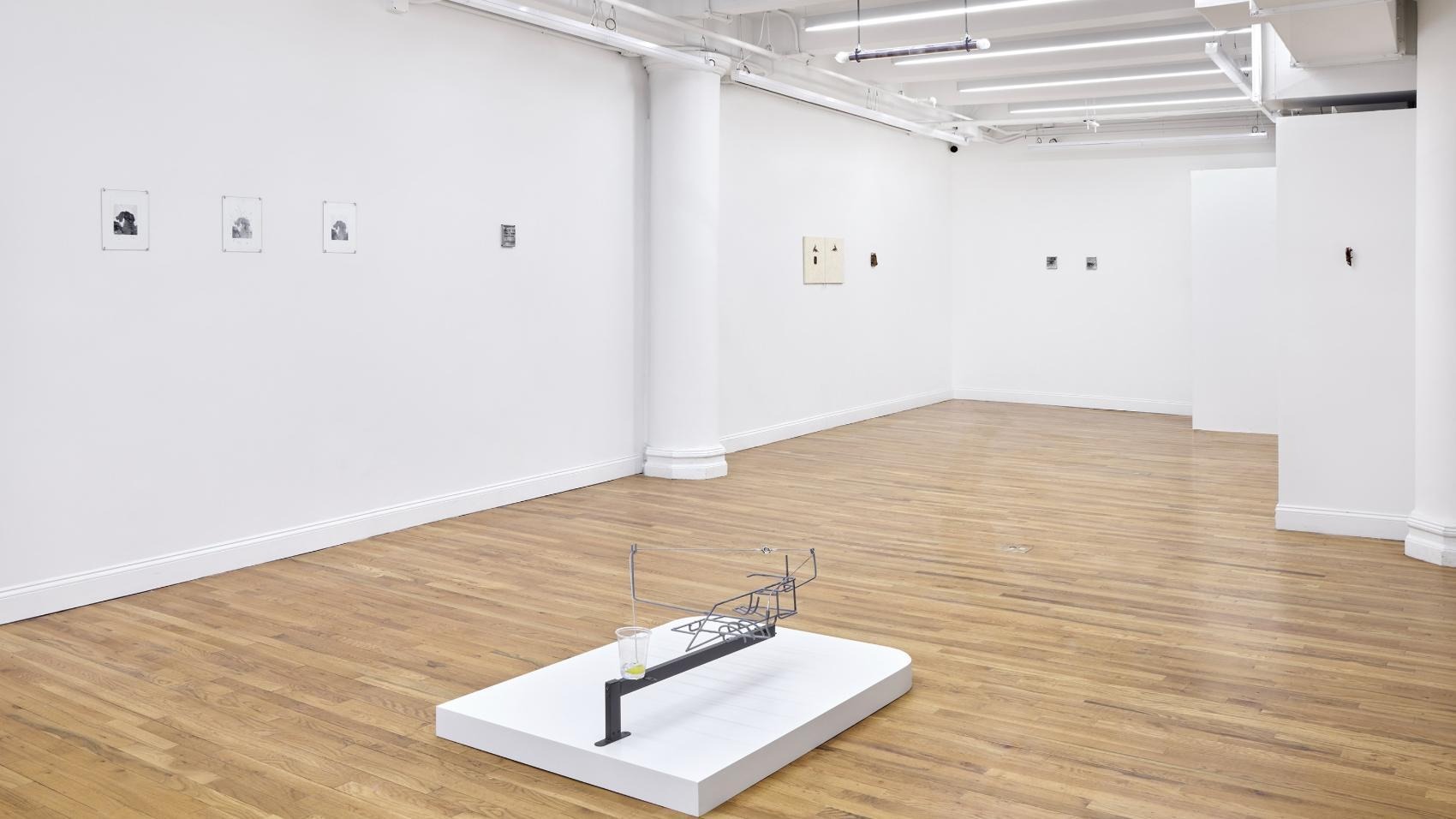
Floating names a state of suspension, between sinking and surviving, between grief and the body’s refusal to stop. In Keren Anavy’s landmark solo exhibition, Floating in Three Acts, this condition is both subject and structure. The exhibition is built the way floating feels: without firm ground, without clear direction, with the question of outcome left open.

Continue reading “Floating in Three Acts- Keren Anavy at SUNY”

Memories, Recollections and Everyday Life, Xiangjie Rebecca Wu at Latitude Gallery 

Installation Shot, A Room Rehearses its Own

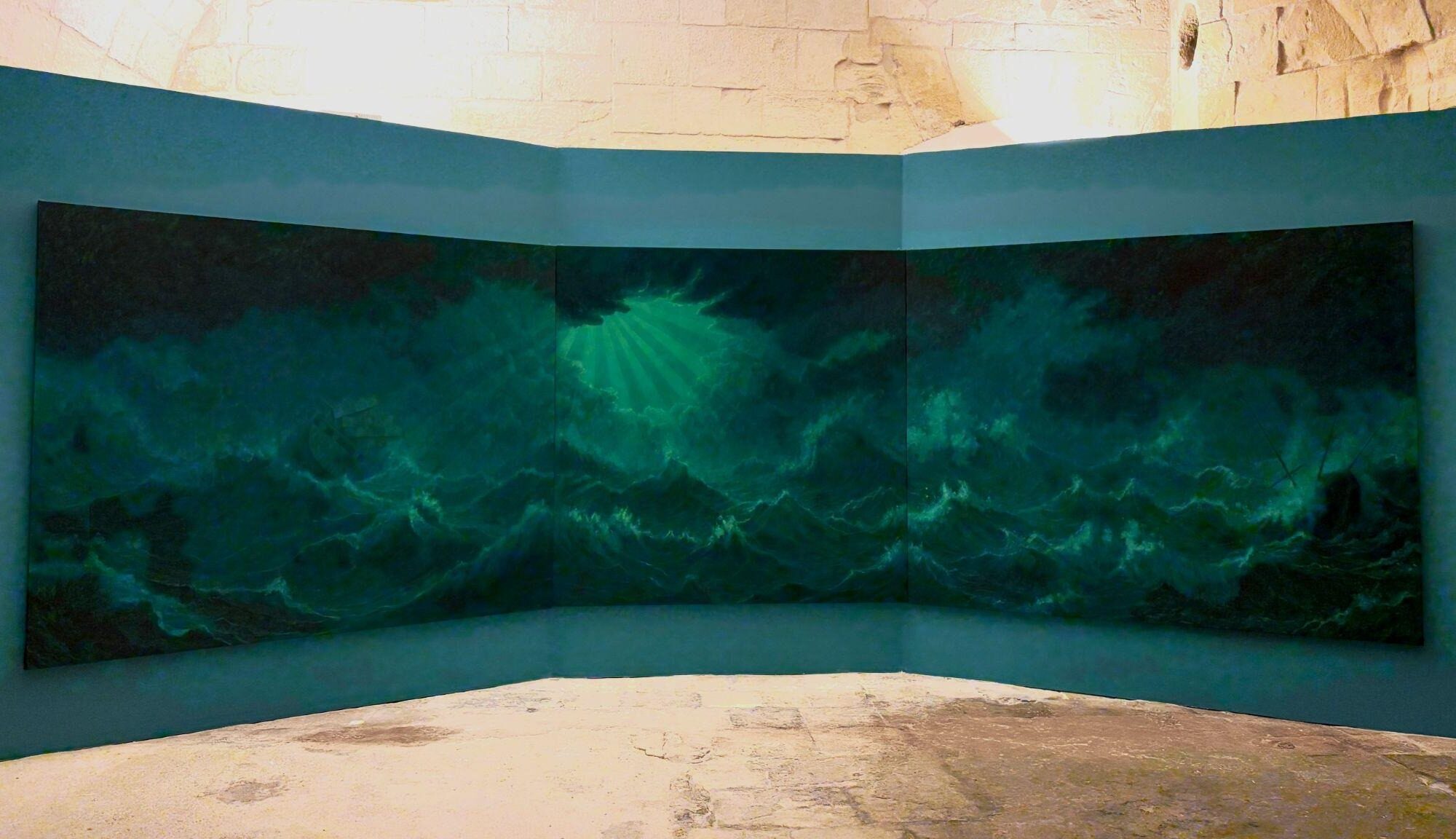
Upon entering the exhibition at Latitude Gallery, you are greeted with a poem as a silent welcome, the cadence of the poem setting both the scene and the pace of the exhibition, titled A Room Rehearses its Own. In this exhibition, the paintings of Xiangjie Rebecca Wu piece together place, memory, and silence, with an impactful portrayal through both presence and absence.

Continue reading “Memories, Recollections and Everyday Life, Xiangjie Rebecca Wu at Latitude Gallery “

Yuko Oda – Decaying into Bloom

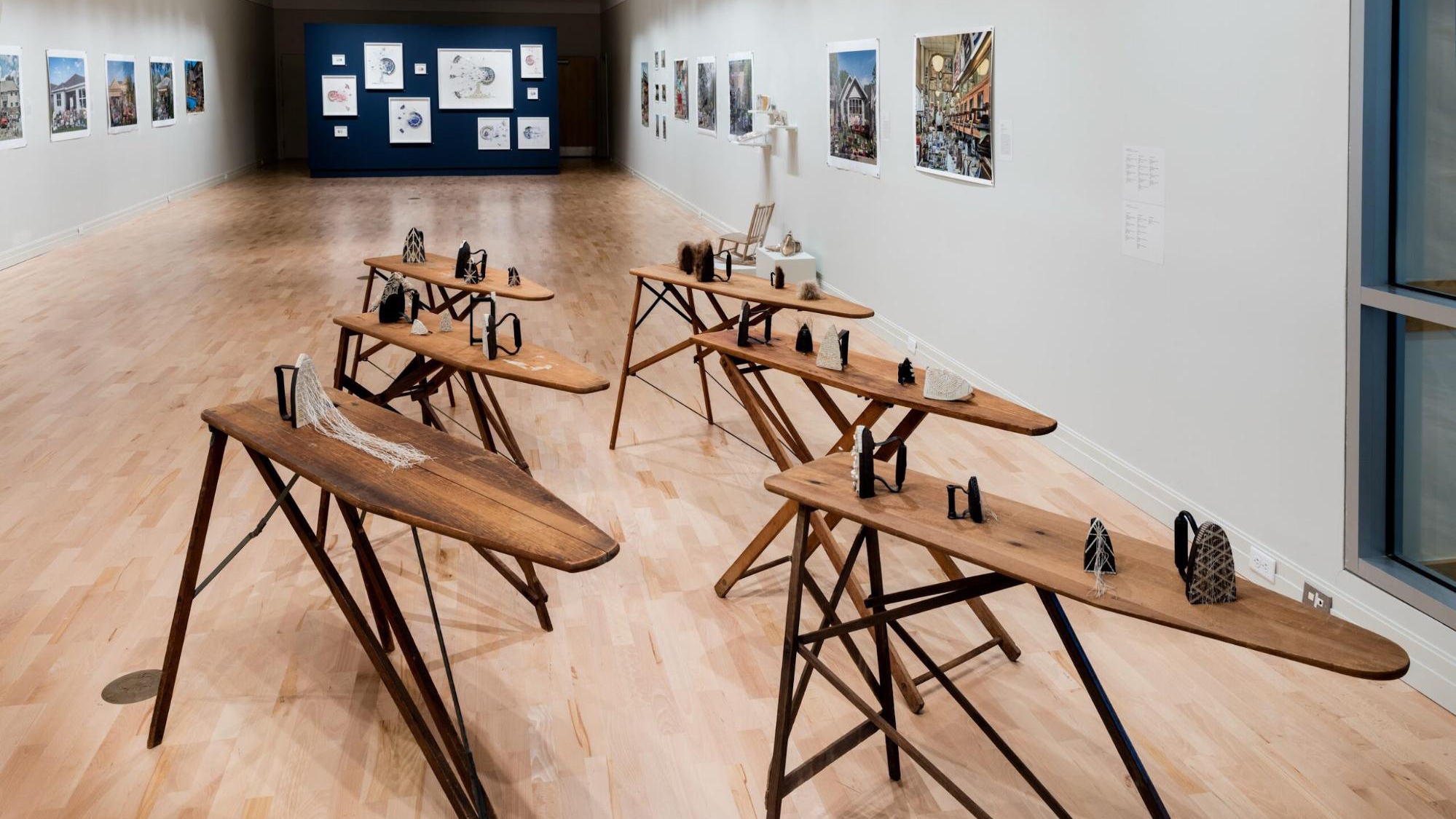
Installation view of Decaying into Bloom

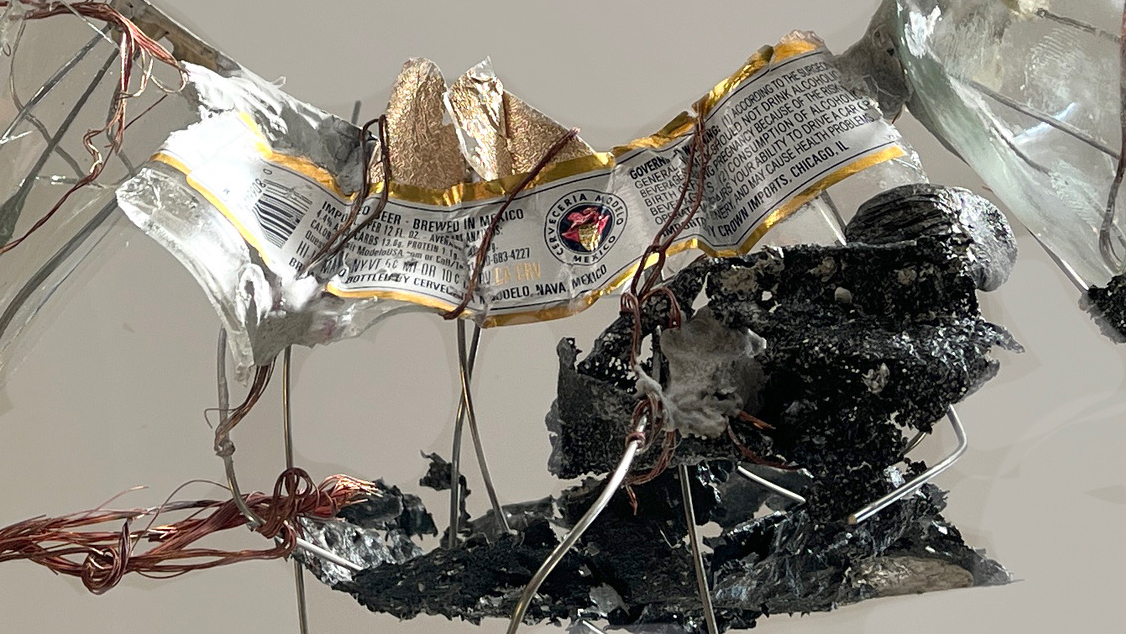
Yuko Oda’s recent exhibit, Decaying into Bloom, currently on view at the Brodigan Gallery at the Groton School, located west of Boston, seduces with beauty and delivers a gut-punch from the moment you enter. It is the best kind of artistic experience: being pulled in by the sensuality of the materials, then hit hard with the poignancy of the message. Living things have always had to adapt to new conditions, and Oda imagines for us some ingenious possibilities. 

Continue reading “Yuko Oda – Decaying into Bloom”

Andrius Alvarez-Backus: I Want to Know, I Need to Know

In Andrius Alvarez-Backus’s solo exhibition, I Want to Know, I Need to Know, at Eli Klein Gallery, the work Are You Still Strong Enough? (2025) emerges as the visual center of the show’s underlying tension. A My Little Pony toy hangs vertically, the surface covered in bronze patina, while the incision along its abdomen is carefully stitched closed. What was once a lighthearted and slightly absurd object becomes, through this treatment, both fragile and solemn. Its form evokes a body after surgery, yet also resembles a preserved specimen. However, the meticulous stitching does not suggest that the wound has truly healed. Instead, the seam runs along the body, leaving the incision exposed and gradually becoming part of the sculpture’s structure. The suturing does not erase the rupture; it keeps the rupture visible. The wound is no longer simply a trace of intervention, but the structural element through which the work sustains its tension.

Continue reading “Andrius Alvarez-Backus: I Want to Know, I Need to Know”

Elisa Jensen at Astor Weeks, A Quiet Pause in Chaotic Times

Installation view of Invitation at Astor Weeks

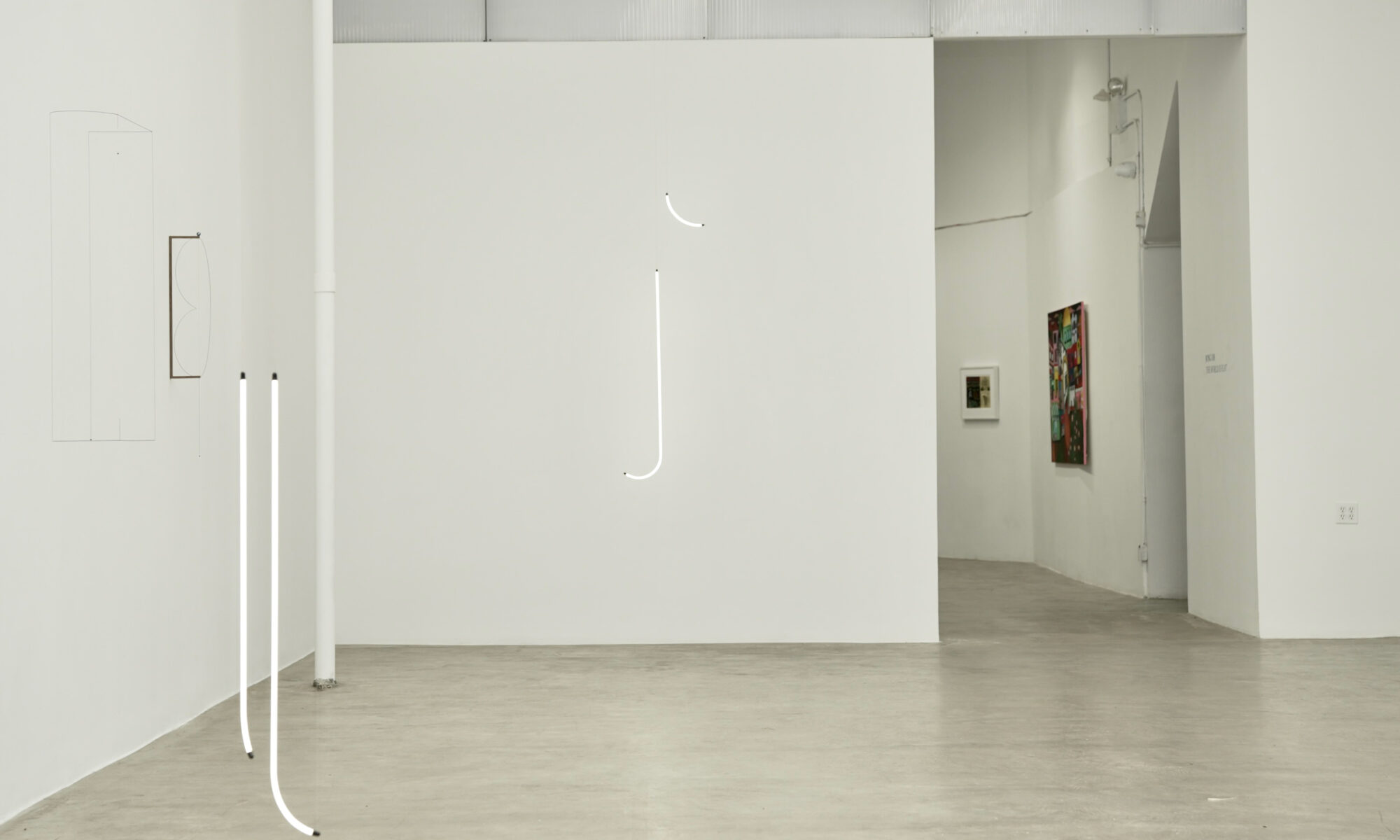
Nestled on the 3rd floor of 209 Canal Street, off a particularly bustling block in Chinatown, is a show of Elisa Jensen’s paintings titled Invitation politely, at Astor Weeks Gallery. These works echo Bonnard’s complex compositions with windows and the depth of space in Vuillard’s work. The paintings are various memories of places close to the artist’s heart: her home in Brooklyn, the house of her late parents that no longer stands, and her aunt and uncle’s home in Denmark. Jensen knows how to whisper through paint and tell a quiet poem in scumbles, with a profound feeling of color. Her playful use of iridescent paint leaves the paintings to be experienced as they change drastically with subtle shifts in lighting. It is as if each painting carries many versions of itself throughout the course of the day, as the light changes. 

Continue reading “Elisa Jensen at Astor Weeks, A Quiet Pause in Chaotic Times”

Eric Wolf’s Two Waters: Nature, Observation, and Exploration at Abri Mars

Eric Wolf’s works at Abri Mars take us through misty, expansive landscapes. Their ethereality and tranquility pull viewers into new places to explore and settle into. Within Two Waters, Wolf recreates the landscapes he observes directly, using a limited ink palette to bring the pieces to life. Through a combination of controlled and reactive strokes, Wolf uses hard and soft edges to render his figures of nature. While the figures are more abstract- mountains, bodies of water, trees, etc, these works are expanding on the process of plein air, bringing the environment into the works directly. With the gallery’s natural light from the front windows, the darkness of the ink becomes velvety, drawing you in, while the light of the paper glows beneath, pushing outward. This push and pull makes the work feel dynamic and lively.

Continue reading “Eric Wolf’s Two Waters: Nature, Observation, and Exploration at Abri Mars”

Magical Thinking of Systems and Beliefs, at Tufts University Art Galleries

Installation view of Magical Thinking of Systems and Beliefs

Would you have believed the sun revolved around the Earth? Possibly, since that was the ironclad determination of the bureaucracies in the 16th century. Slavery legally existed in the United States for centuries before there was even the slightest abolitionist movement. Which brings to mind, why do we adhere to beliefs today simply because they are propagated by governments and institutions?

Continue reading “Magical Thinking of Systems and Beliefs, at Tufts University Art Galleries”

Tobias Pils: Shh at Mumok Vienna

Tobias Pils’s paintings do not give themselves up quickly. It took me two long visits to begin to grasp his extensive solo exhibition at Mumok, curated by Manuela Ammer across two floors and ten years of work. The show traces a practice rooted in personal experience and daily life, charting a shift from floor to easel painting and revealing how drawing and painting remain in constant dialogue throughout. The layout rewards sustained attention and makes the changes over time visible. I viewed the exhibition in reverse, starting with the floor of Pils’s most recent works.

Continue reading “Tobias Pils: Shh at Mumok Vienna”

Unreliable Narrators: Rochelle Voyles

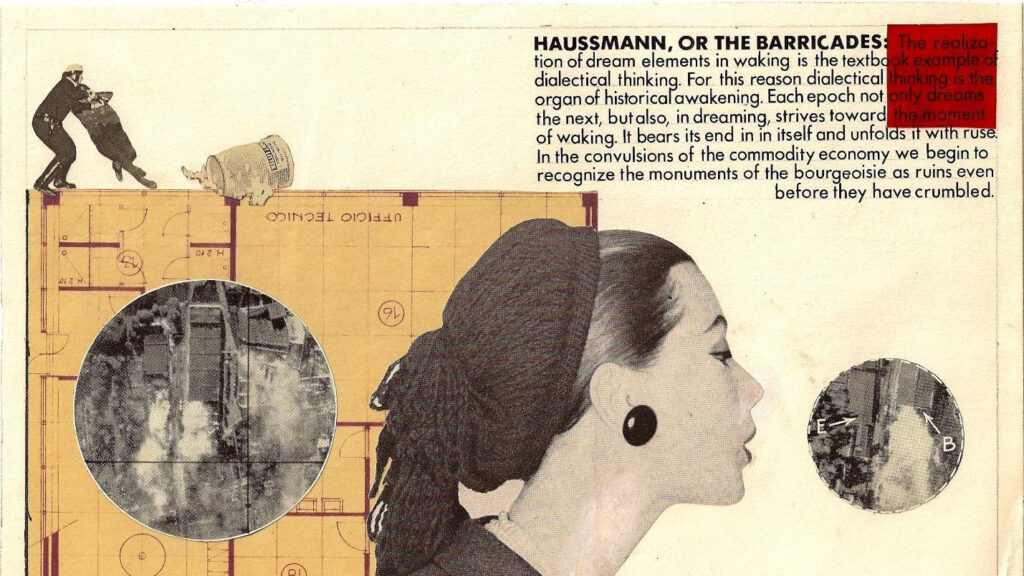
In Unreliable Narrators, Rochelle Voyles’s collages hold both a capacious nihilism and a hope to build stories from the void. From this fulcrum, I think of Joan Didion’s classic essay The White Album, and its opening truism: “We tell ourselves stories in order to live.”  Voyles’s compositions of found photographs extend to viewers, a branch, a bone, a tool in making sense of the randomness that seems to rule our lives. Cutouts layered into loops capture chaos, but the care in each cut, the curation, and the collision of hyperspecific images betray a belief in an idiosyncratic order. These works are at once figurative mazes of manifold meaning, and objects calculated to short-circuit our thinking and experience pure sensation. 

Continue reading “Unreliable Narrators: Rochelle Voyles”

The 15th Shanghai Biennale: Does the Flower Hear the Bees?

Botany, I read in Zoë Schlanger’s bestseller The Light Eaters: How the Unseen World of Plant Intelligence Offers a New Understanding of Life on Earth, is full of groundbreaking discoveries these days (Schlanger 2024). We now know that plants have cellular conduits that allow propagation of electrical charges, that some plants release chemicals in the air to alert neighbors of insects, and that evening primrose increases its nectar’s sweetness when it senses the frequency of the hum of bee wings. While such plant-feeling, plant-talking, and plant-listening are not sustained by the same biological apparatus as ours, the functional parallel is apparent. Perhaps it is time to broaden our understanding of intelligence. 

Continue reading “The 15th Shanghai Biennale: Does the Flower Hear the Bees?”