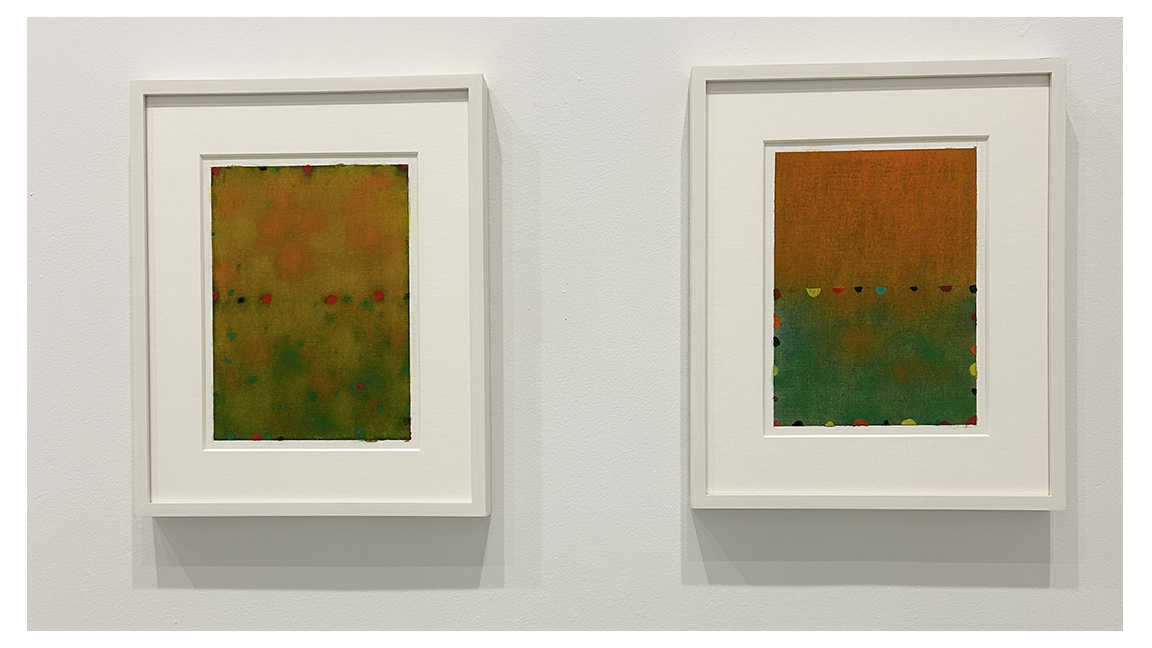
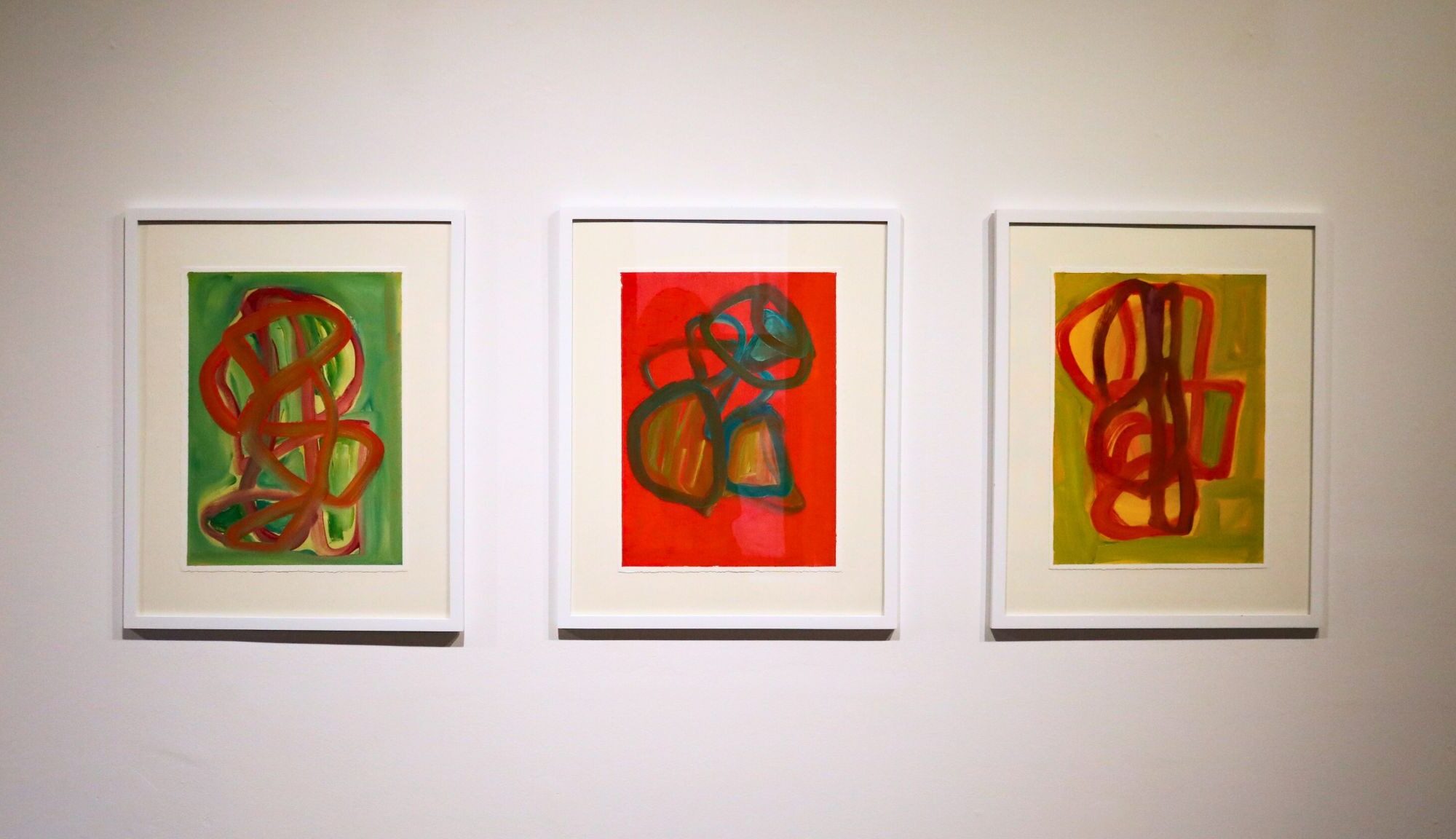
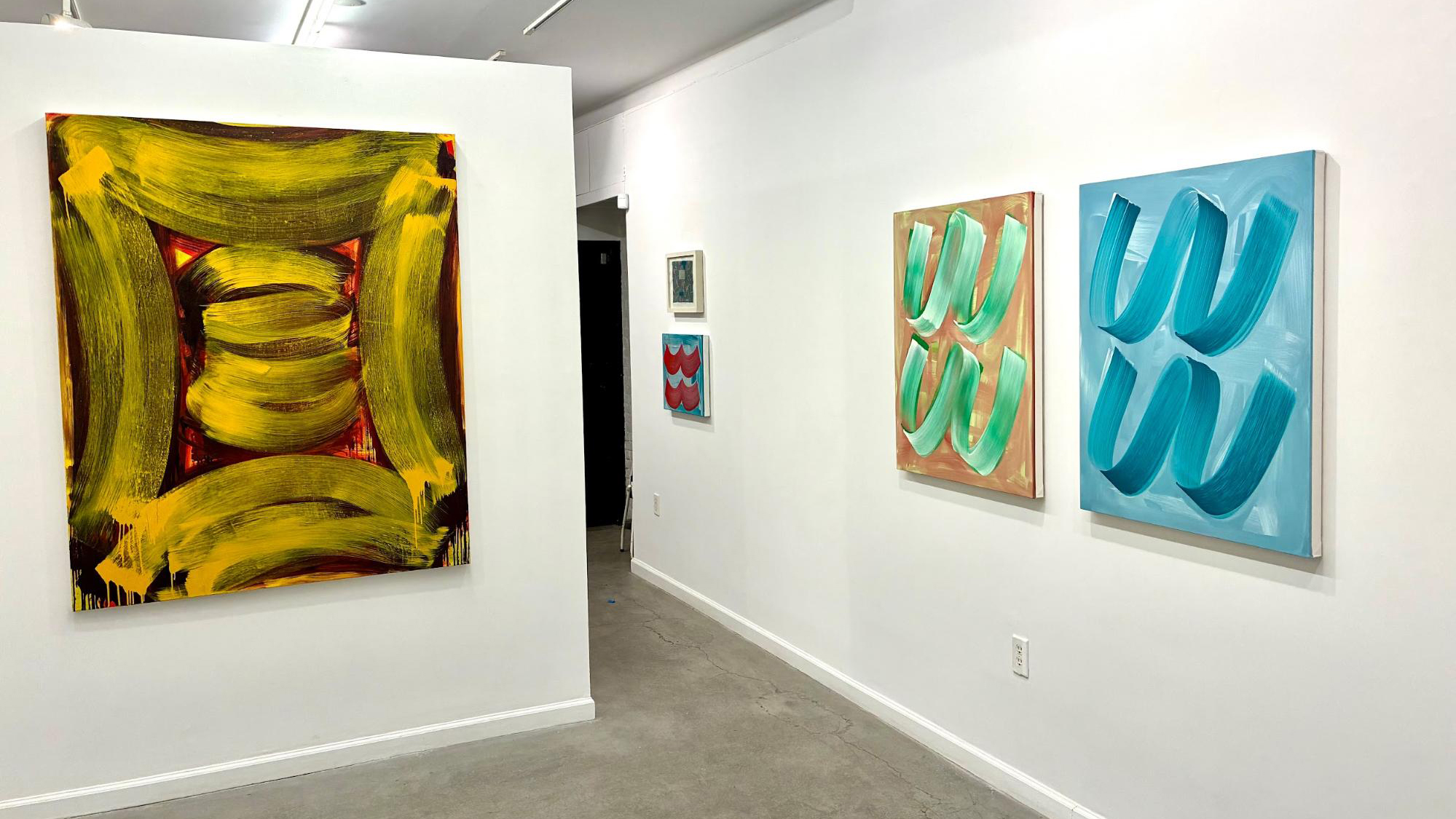
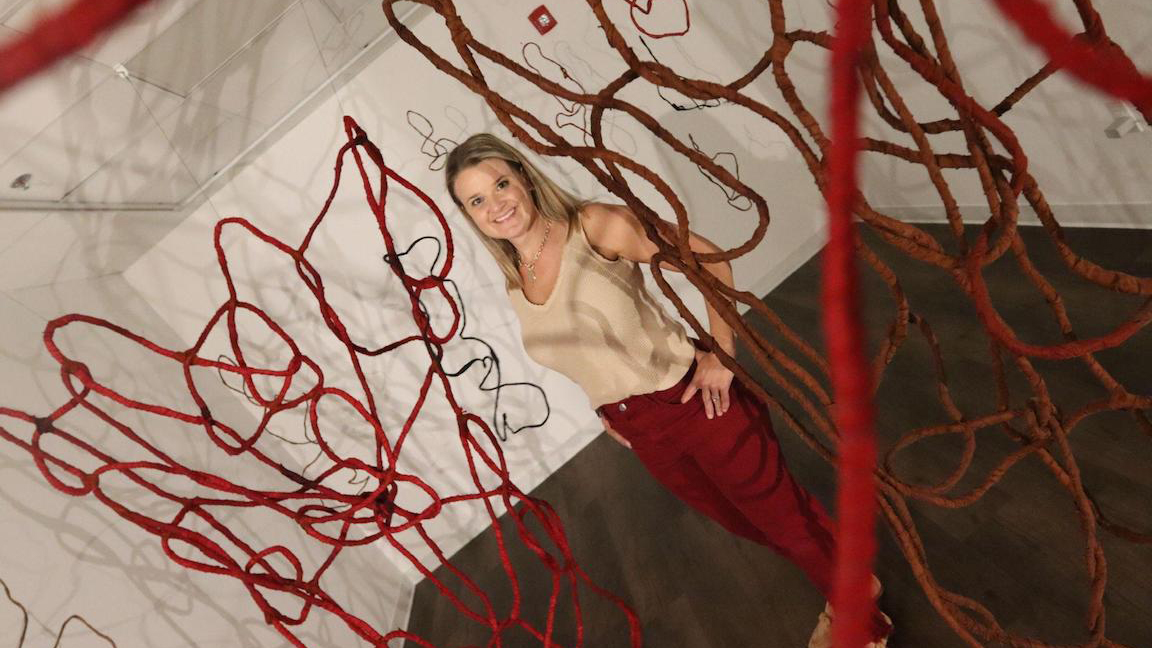
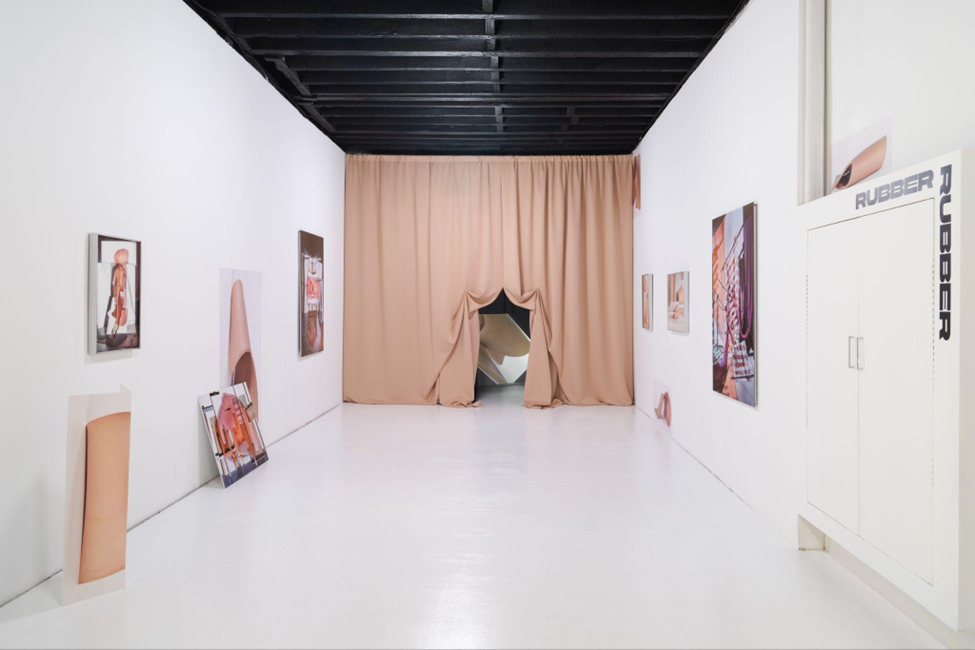
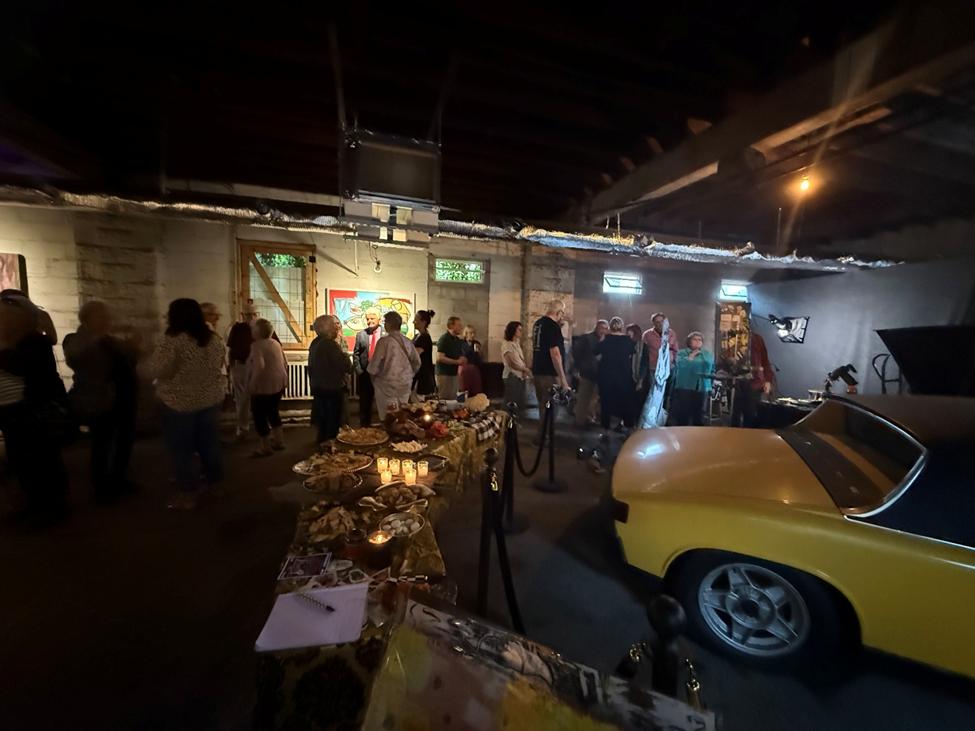
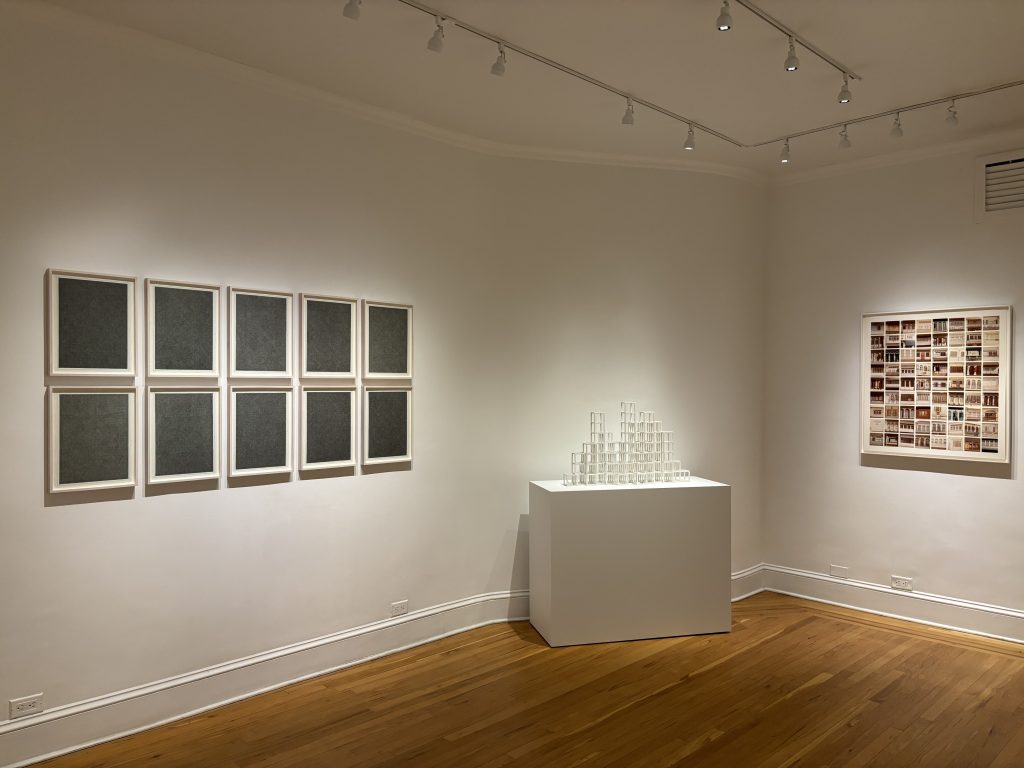
Walking into the group exhibition, Like Cotyledons Buckled with Loam at Art Cake, curated by David Dixon, you are first greeted with a piece by Thomas Nozkowski. This piece is one of three included in the exhibition, each serving as a foundational anchor point in the show. Within the paintings, Nozkowski abstracts forms or fractions of events, allowing viewers to experience the essence and bring their own associations to the works.
Continue reading “Like Cotyledons Buckled with Loam: Conversations and Inspirations”Rifka Milder Paints Downtown Without the Downtown Act
New York City loves a label the way it loves a line outside a new restaurant: there is the promise of significance and the reassurance that someone else has already decided what matters. The label flatters, then quietly ends the conversation. The oil painter Rifka Milder’s work refuses that bargain. Call her a “downtown painter,” and you’re not wrong, but her new solo show at Helm Contemporary, GREAT JONES, is what happens when someone who actually grew up downtown, in a household run on paint and argument, makes abstraction that declines to become neighborhood branding. Art in America once called her “an oil painter’s painter.”
Anne Russinof – Gestural Symphony at Equity Gallery
Emily Berger met the late painter and artist, Anne Russinof, twenty years ago at The Painting Center in New York. Russinof’s intelligence and presence were immediate. A friendship formed around their work—studio visits, openings, exhibitions, and eventually, showing together. Both were committed to abstract painting and supported each other’s practice. Berger curated this exhibition of Russinof’s elegant, rigorous paintings at Equity Gallery to bring them wider recognition. What Russinof left behind is a powerful body of work. “I believe she would be pleased with the exhibition, the beautiful catalog designed by Patricia Fabricant, and the thoughtful, poetic writing from Paul D’Agostino and friends,” Berger says.
Continue reading “Anne Russinof – Gestural Symphony at Equity Gallery”Meghan Roghanchi at RAM Gallery
In her mid-twenties, Meghan Roghanchi began collecting art with her husband, engaging directly with artists and developing an interest in the relationship between artistic production and collecting. After raising three children to school age, she returned to a professional focus shaped by her long-standing engagement with art, education, and collecting. Drawing on these experiences, Roghanchi founded RAM Gallery, positioning it at the intersection of creative practice and collecting, with an emphasis on direct exchange between artists and audiences and an accessible, welcoming gallery environment.
Curatorial visions at Montclair Art Museum

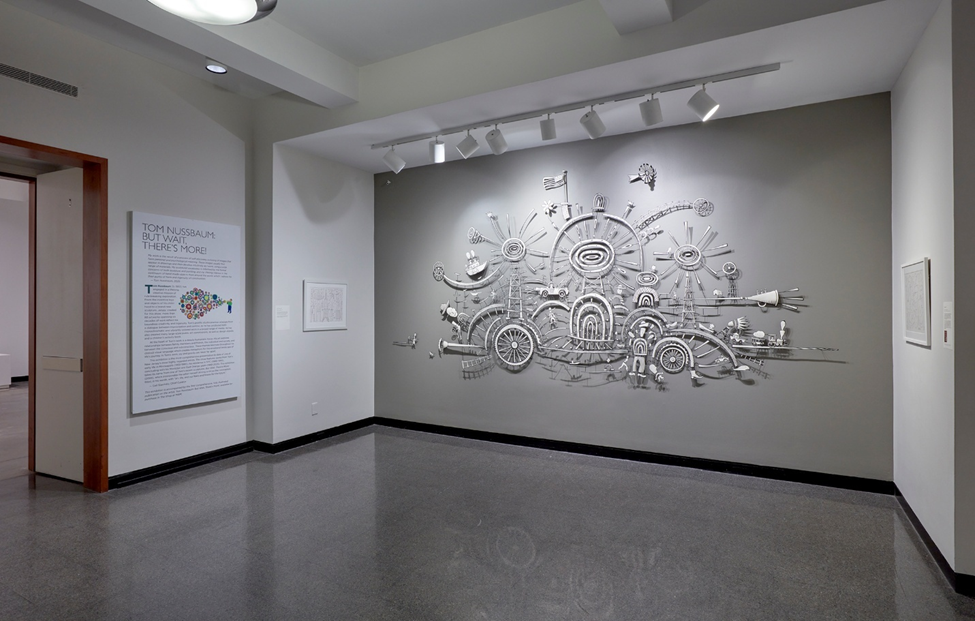
During her more than thirty years at the Montclair Art Museum, Dr. Gail Stavitsky, Chief Curator, has shaped the institution’s vision through exhibitions that deepen public understanding of art history while highlighting under-recognized artists. Her work extends beyond the galleries to publications that introduce new scholarly perspectives — including the recent catalogue accompanying Tom Nussbaum: But Wait, There’s More! In this interview, Dr. Stavitsky discusses her curatorial approach and the ideas guiding the Museum’s current exhibitions by Tom Nussbaum and Christine Romanell.
Continue reading “Curatorial visions at Montclair Art Museum”Beamsplitter curated by David Shaw at Field of Play

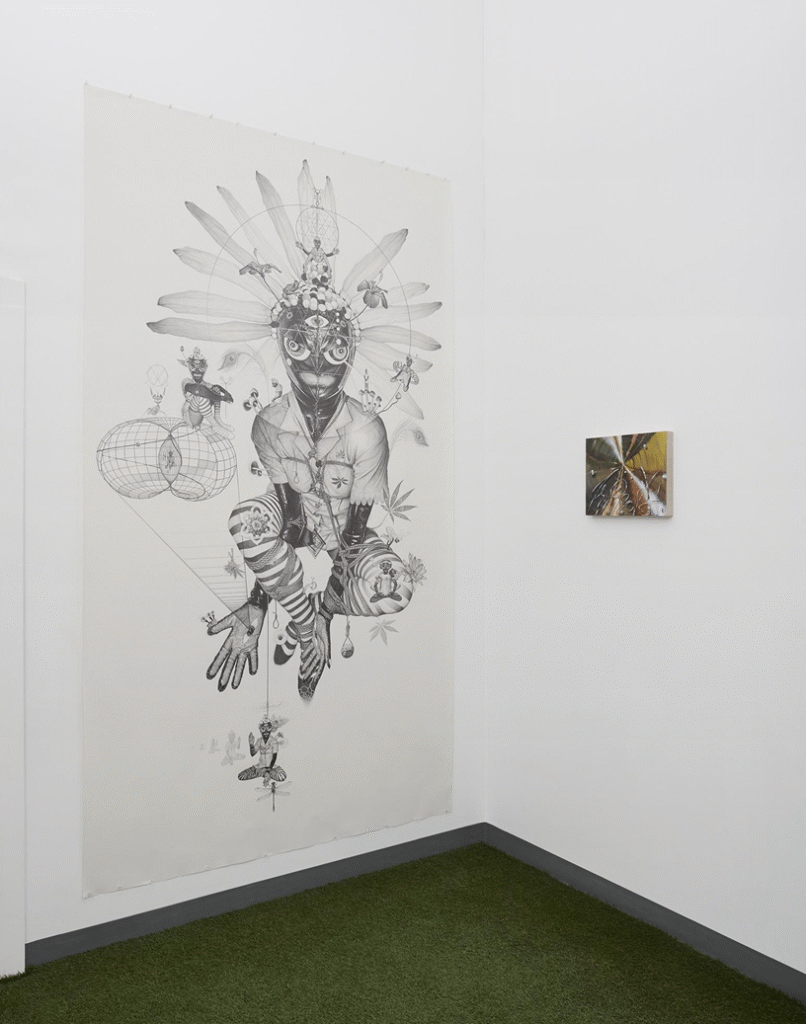
The artwork in Beamsplitter, a six-person show at Field of Play, functions as a series of portals. Named for a scientific device that both transmits and reflects light, Beamsplitter opens up spectrums of material, concept, and time. Using a mix of large and small works from artists across generations, curator David Shaw expands the Gowanus gallery’s 9 x 15-foot footprint into a dynamic array of gateways. The recurrence of circular forms and apertures presents a menu of windows to the artist’s interiority or world-view. Field of Play’s signature astroturf floor provides an idiosyncratic arena to home these loci.
Continue reading “Beamsplitter curated by David Shaw at Field of Play”Yi Hsuan Lai: The Ontology of the Body at SoMad

Yi Hsuan Lai exhibits her works in a solo show at SoMad, a femme- and queer-led art space that serves as a platform for emerging artists to experiment, collaborate, and challenge conventions. SoMad comprises a combined gallery and artist residency program, a production house, and an event space. The name “SoMad” reflects both the physical location — south of Madison Square Park — and the collective’s frustration with the current landscape of resources and support structures available for emerging artists, particularly artists from marginalized communities.
Continue reading “Yi Hsuan Lai: The Ontology of the Body at SoMad”Delusions of Grandeur -Grayson Perry at the Wallace Collection

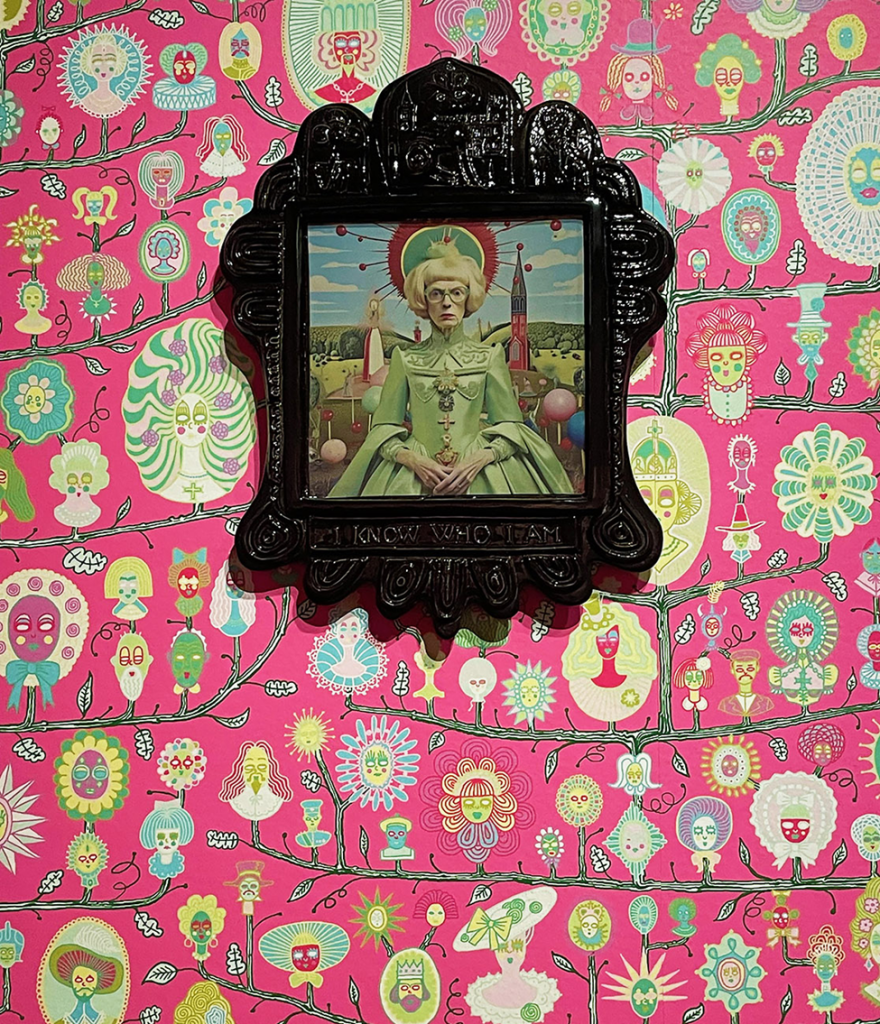
The Wallace Collection, a storied historic mansion in London that houses an extraordinary, far-ranging collection of art and objects, invited the artist Grayson Perry to embed and create an exhibition that responds to their collections. Collected during the18th and 19th Centuries, the museum is dripping in Rococo, houses breathtaking Old Master paintings, amour, ceramics, medieval relics and sculpture. It would be, for a lesser artist, a daunting assignment.
Continue reading “Delusions of Grandeur -Grayson Perry at the Wallace Collection”Aleksandra Scepanovic: Site Seen
In Dialogue

Aleksandra Scepanovic’s story begins in then-Yugoslavia, where the stark presence of brutalist architecture shaped her early sense of form and space. As a journalist during the 1990s she reported on the Balkan conflicts, bearing witness to the fractured landscapes of cities such as Sarajevo.
Continue reading “Aleksandra Scepanovic: Site Seen”Getting to the End of the Line: Sol LeWitt and Phong Bui at Craig Starr

For both Phong Bui and Sol LeWitt, the line is a democratizing gesture. The line as a line: a mark; steering focus towards the method of an image’s creation rather than convincing the viewer of the realism of its ultimate subject. And, at least for both of these artists, this means we begin to deal with units. With LeWitt, the unit is the geometric shape — a square, cube, or even a diagram-a nugget of information, often placed within another diagram, offering multiple levels in the narrative of the work’s process and arrangement.
Continue reading “Getting to the End of the Line: Sol LeWitt and Phong Bui at Craig Starr”