During the Coronavirus pandemic, Art Spiel is reaching out to artists to learn how they are coping.
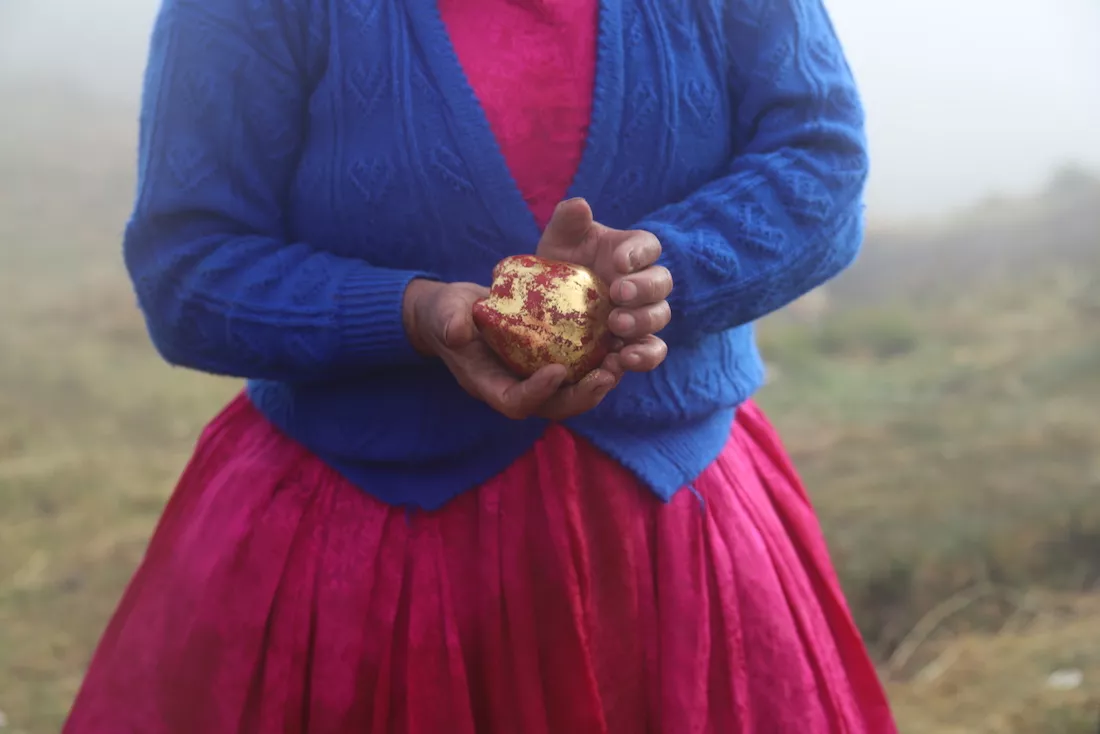
Reverse alchemy in Conga (Màxima), 2019, Photograph. Photo courtesy of the artist.
Jessica Segall is an artist based in Brooklyn, NY. Her work is exhibited internationally including recent/ current shows at The Fries Museum and The National Museum of Jewish American History and upcoming at Thomas Erben Gallery, The Coreana Museum of Art and The Center for Art Research. Jessica received grants from The Pollock Krasner Foundation, The Rema Hort Mann Foundation, New York Foundation for the Arts, New York State Council on the Arts, The Harpo Foundation and Art Matters and attended residencies at The Van Eyck Academie, The MacDowell Colony and Skowhegan. Her work has been included in Cabinet Magazine, The New York Times, Sculpture Magazine, Mousse Magazine and Art in America. Jessica will have a work in a show on ecofeminism in June 19th at Thomas Erben Gallery and she will also participate in the Virtual 2020 Dumbo Open Studio that was postponed (TBA) due to solidarity with the movement of Black Lives Matter.
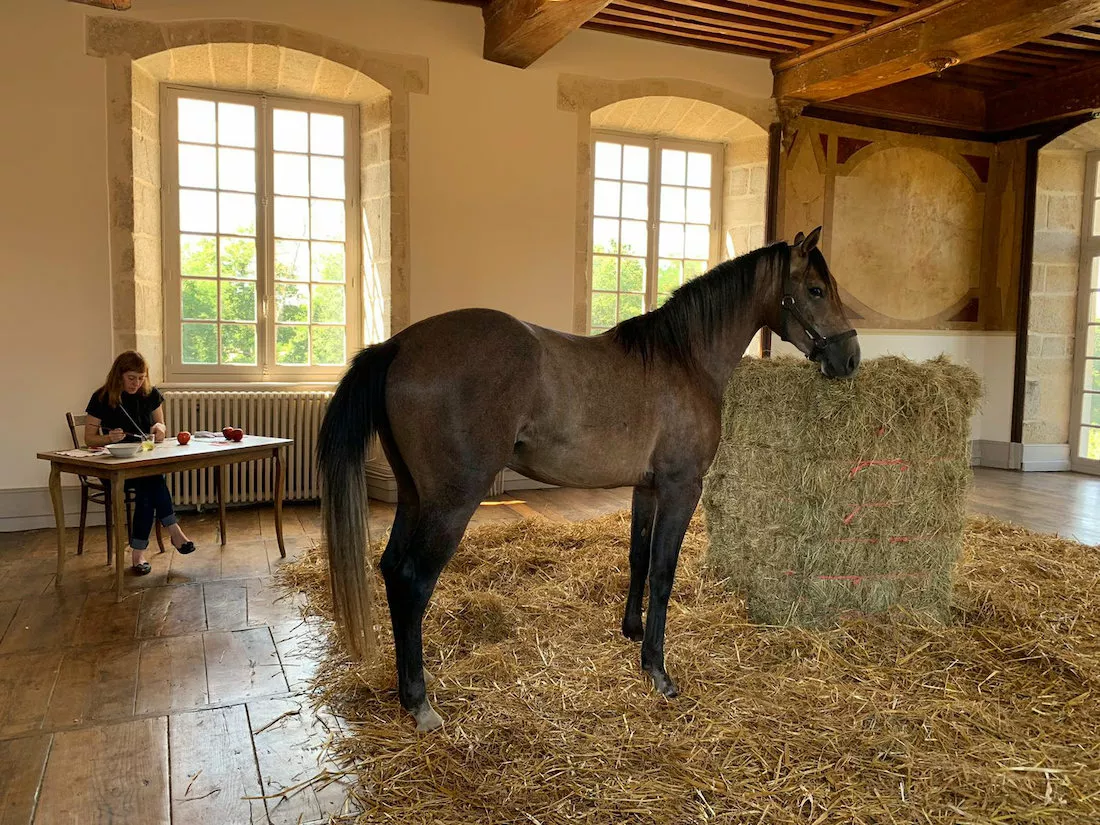
Reverse Alchemy with a Horse Named Lion, 2019 performance. Photo courtesy of the Artist.
AS: How are you coping?
JS: At first I thought I would make a lot of work in the studio, but realized a long time ago that I’m not the kind of artist that thrives in studio solitude. I turned my creativity elsewhere; made masks, fixed a bunch of antique cameras, took hikes to reconnect with nature and have been working on proposals for future projects. Now as I write this, we are in the 8th day of protests, so my energy is focused on how to be constructive, and support the protestors.
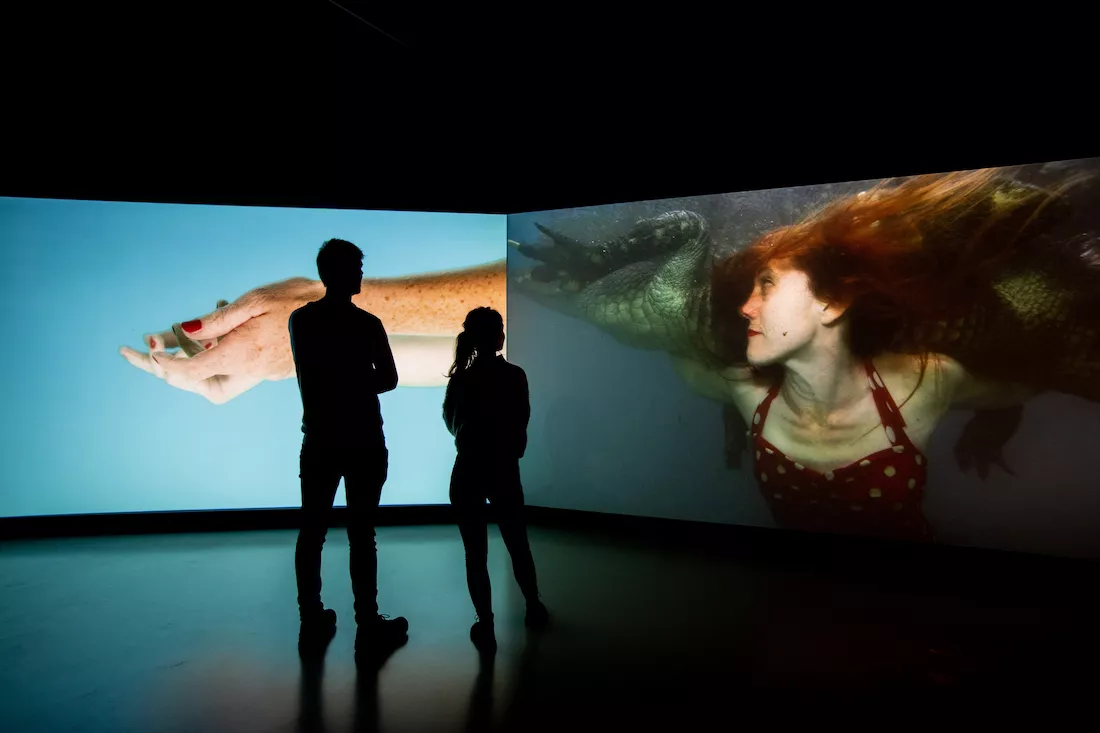
(un)common intimacy, 2019, two channel video. Photo courtesy of Ruben Van Vliet.
AS: Has your routine changed?
JS: Completely. This summer I was scheduled to be in Berlin for a residency, which is now postponed due to travel restrictions. I had two exhibitions that closed, and two others postponed for which I was in high gear to build a new body of work. On the bright side, I have had time to run, meditate, learn new recipes, reach out to loved ones, all things that I value deeply but often don’t have time for. I’ve been reading texts about the value of laziness. Oh, and I haven’t worn lipstick or pants in a while.
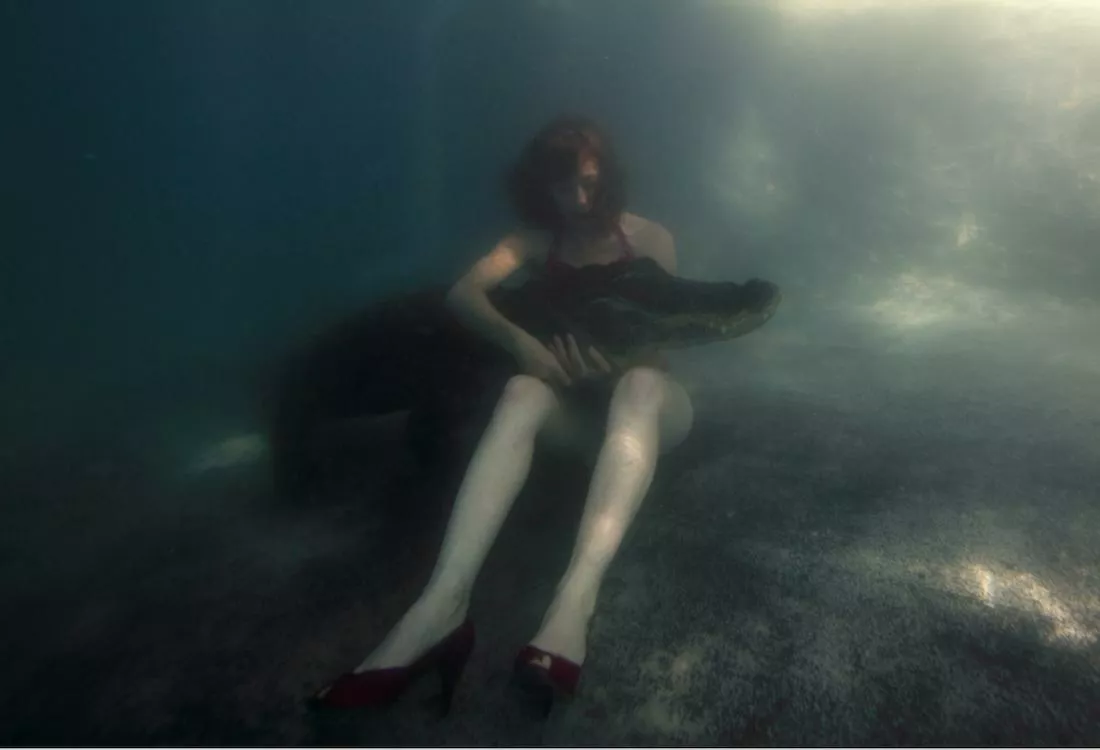
(un)common intimacy, 2019, two channel video. Photo courtesy of the artist.
AS: Can you describe some of your feelings about all this?
JS: Each day brings a new feeling. I started to write this months ago, and every time I sit down, there is something new. First, from the anxiety of the build up to “PAUSE,” to some much needed rest, motivation and recurring malaise under quarantine. It’s a boring utopia, or a utopian nightmare of some kind. Social reforms are happening – with a stab at Universal Basic Income, eviction restrictions, low level offenders being released from prison and a growing understanding that healthcare is a human right. I have daily anger, weariness, ambitions, play and desires like any other day, but I also have friends and family who are sick or passed away due to the pandemic, so all feeling is tempered with collective grief.
Addendum: with the current protests, I have a lot of anxiety about the safety of the protestors. Over the last two nights, there has been violence, tear gas and arrests of peaceful protesters breaking curfew in my neighborhood, and I am still concerned about the virus spreading. On the positive side, it’s heartening to see the sheer number of protesters amassing in public for human rights.
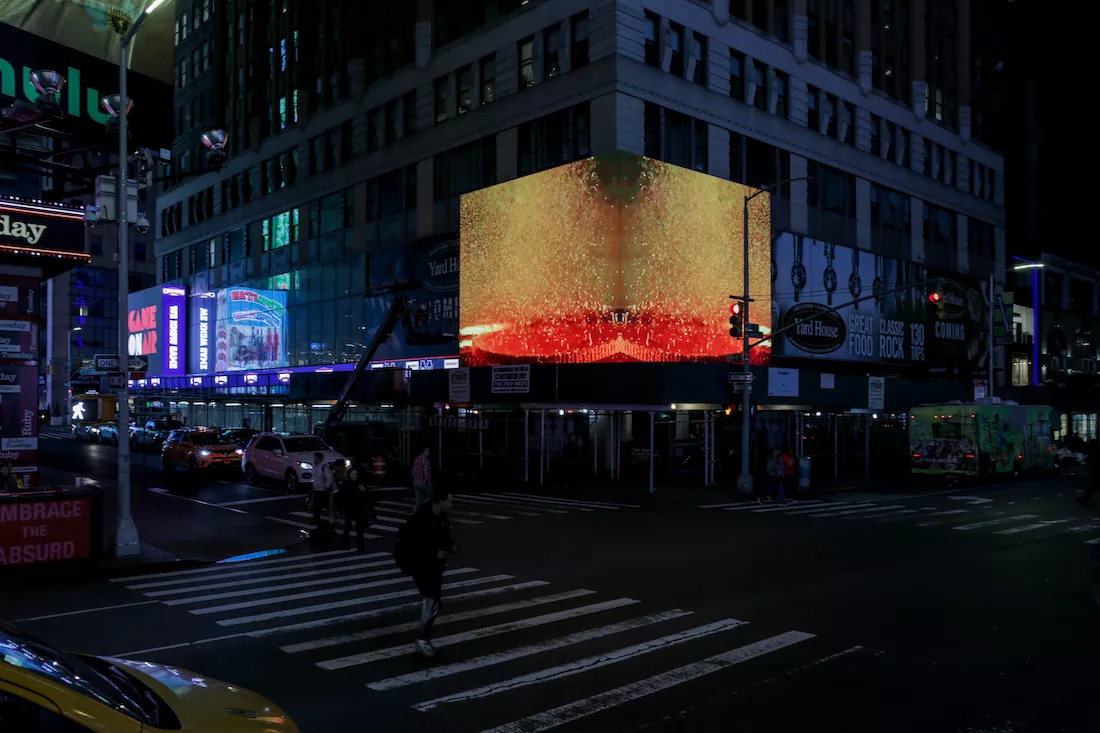
Reverse Alchemy in Conga (Aqua Regia), 2019. Photo Courtesy of ZAZ. Currently showing in Times Square / ZAZ Corner until June 9th.
AS: What matters most right now?
JS: Health and taking care of one another. Creativity, flexibility. Our interconnectedness is visible. America is obsessed with work, and individualism, and New York is obsessed with productivity. There are positive outcomes to such creativity and ambition, but for now I think its important to use this opportunity to make structural changes to collective health. Nothing has to be the way it is. So much of society is built on previous architecture that we reproduce because it just seems impossible to change. And in discussing health, I am including the pandemic of mass incarceration, poverty, unequal distribution of wealth and property, the high cost of education and systemic racism.
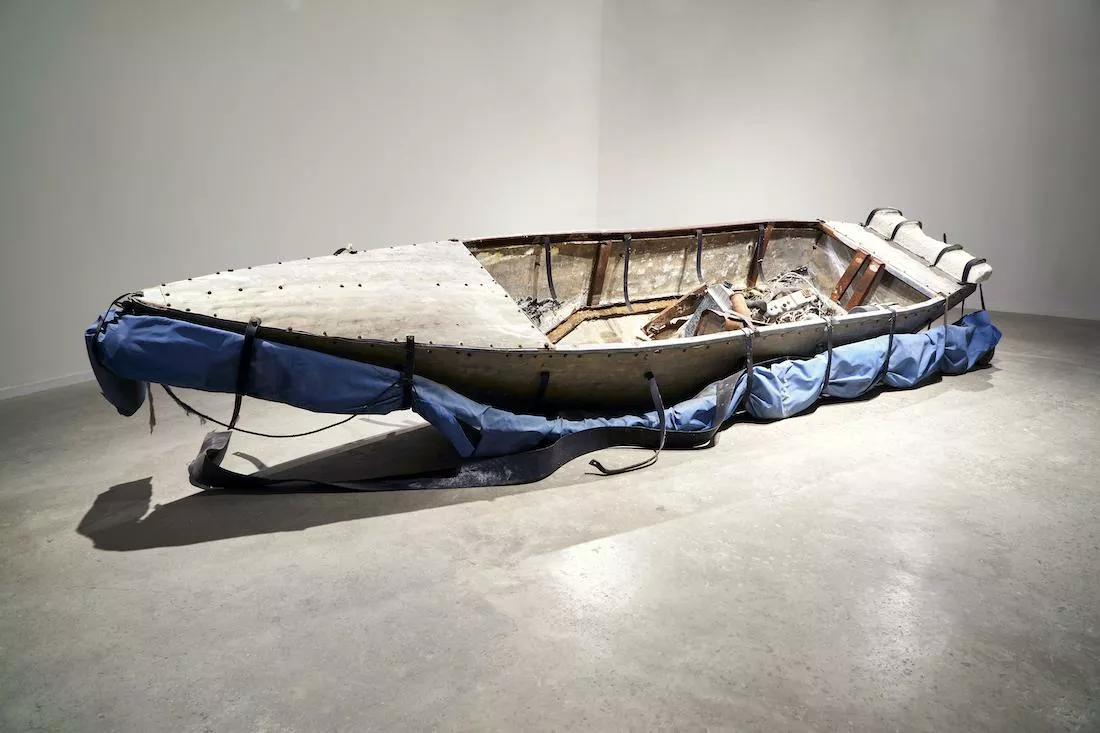
100 Years, All New People, 2020, Installation detail. Photo Courtesy of Rustin McCann.
AS: Any thoughts about the road ahead?
JS: So much is unknown – will cities continue to be livable? Will New York become affordable for artists again? What are the best means to congregate and bring work into the world? I have more questions than predictions.
Here are some of my favorite quotes from reading this summer:
“Instead of taking advantage of periods of crisis, for a general distribution of their products and a universal holiday, the laborers, perishing with hunger, go and beat their heads against the doors of the workshops. With pale faces, emaciated bodies, pitiful speeches they assail the manufacturers: “…give us work, it is not hunger, but the passion for work which torments us”. Paul Delafargue, The Right to be Lazy
“I don’t know exactly what a prayer is.
I do know how to pay attention, how to fall down
into the grass, how to kneel in the grass,
how to be idle and blessed, how to stroll through the fields,
which is what I have been doing all day.
Tell me, what else should I have done?”
Mary Oliver, Wild Geese
I do think we will see some excellent artwork coming from the seeds of these times. As far as how to cope with the future of our social contract, a lot depends on the next election, so please vote!
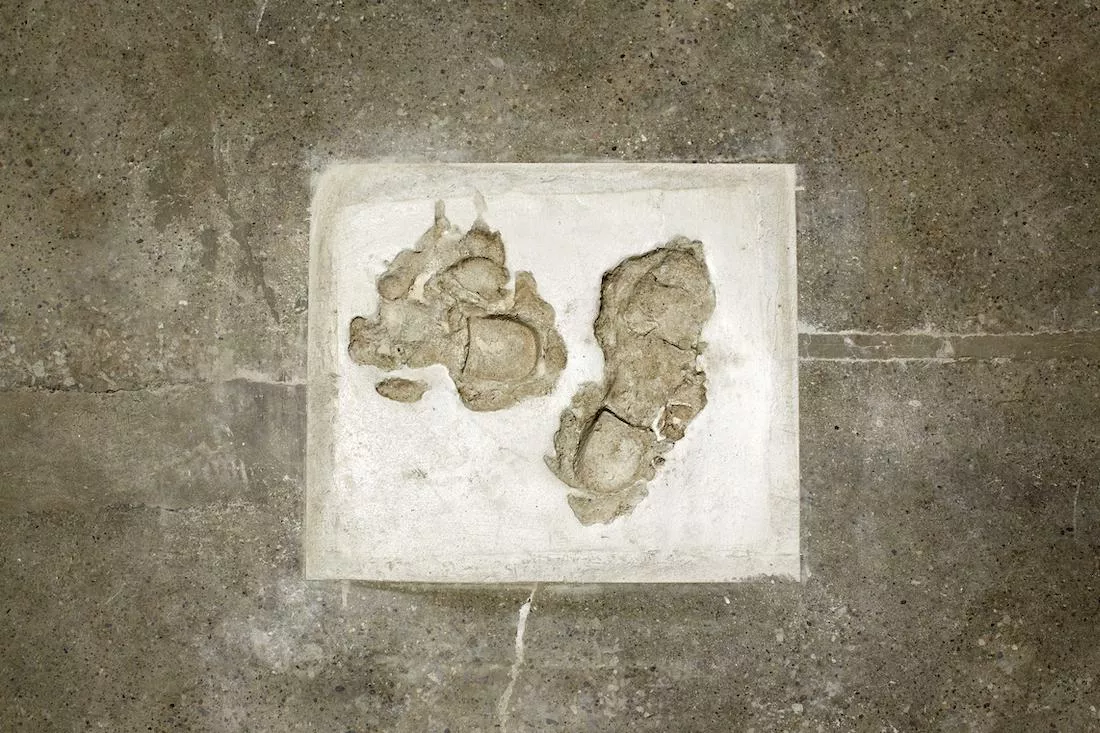
100 Years, All New People, Installation detail, 2020. Photo Courtesy of the artist. Pictured: Cast footprints of refugees last contact with American soil, after walking over the border to seek asylum in Canada.
Etty Yaniv works on her art, art writing and curatorial projects in Brooklyn. She founded Art Spiel as a platform for highlighting the work of contemporary artists, including art reviews, studio visits, interviews with artists, curators, and gallerists. For more details contact by Email: [email protected]