Artists who also write criticism often move between different communities and professional expectations, and few programs are designed with them in mind. The Elizabeth Foundation for the Arts (EFA) wants to change that. SHIFT began in 2010, when Michelle Levy, then director of EFA Project Space, created it as a residency for artists working inside arts organizations, recognizing how hard it can be to sustain a creative practice alongside a professional career.
EFA is now revisiting the program in that same spirit, this time for practitioners who move between the studio and the page. In partnership with Momus, the independent publication devoted to art criticism, the new SHIFT is a six-month residency for a cohort of four artists, designed to let art-making and critical writing shape each other. As Alexandra Unthank, EFA Project space director, puts it, the aim is “to explore and develop new frameworks for hybrid practices.” The residency doesn’t ask participants to deliver a body of work or a stack of essays. It is built around exchange: seminars, mentorship, and time inside EFA’s studio community in Midtown. We spoke with her about where SHIFT fits within EFA today and why moving between making and writing might be a strength rather than a divide.
How did this residency come about? Was there a particular moment, conversation, or gap you noticed that made you feel EFA needed a program specifically for artist-critics?
SHIFT has been part of EFA’s history since 2010, and it was originally developed by Michelle Levy, then director of EFA Project Space, as a residency supporting artists working within arts organizations. The original program recognized the important contributions of arts workers to the cultural landscape while acknowledging the challenges of sustaining an independent creative practice alongside a professional career. It provided residents with peer support, mentorship, studio space, and exhibition opportunities.
As EFA’s programming has evolved, we saw an opportunity to revisit SHIFT and build on its original spirit of supporting practitioners whose work often extends across multiple roles and disciplines. For this new iteration, EFA Studio Program is partnering with Momus, an independent publication dedicated to contemporary art criticism, that fosters critical dialogue and exchange around contemporary art.
Partnering with Momus allows EFA Studios to better support artists working across writing and studio practice, bringing expertise in contemporary art criticism to the residency. Together, EFA and Momus aim to explore and develop new frameworks for hybrid practices, creating space for artistic practice and critical writing to inform and expand one another.
Where will the residency take place, and what does a resident’s time look like day to day? What will residents have access to (studio, writing space, programming, peers)?
The residency will take place at the Elizabeth Foundation for the Arts, located in Midtown Manhattan. EFA has long served as a hub for artists across disciplines, providing a space for creative exchange, professional development, and community building.
The six-month residency brings together a cohort of four artists with access to a shared studio and a program of critical seminars that encourage residents to exchange ideas, develop their individual practices, and engage with different perspectives. Featuring artists, writers, and critics including Sky Goodden (Founding Publisher and Director of Programs at Momus) and Eliza Swann, the seminars will be complemented by a keynote lecture, mentorship from Ajay Kurian, and opportunities to participate in broader EFA programming, including Open Studios and a public panel discussion. The collaboration with Momus will also extend beyond the residency through the production of at least one episode of the Momus Podcast, featuring content and conversations emerging from the program.
Throughout the residency, participants will have dedicated time to explore the relationship between their artistic and critical practices. Residents will also be encouraged to engage with EFA’s broader artistic community through social gatherings and shared experiences, including monthly building-wide Floor x Floor events, community meet-and-greets, visits to EFA artists’ studios, and field trips to artist studios, organizations, and other sites of interest. Floor x Floor events offer members and neighbors an opportunity to visit artists’ studios, see what others are working on, and connect with the diverse practices across the building. Together, these experiences will help residents build relationships beyond their cohort and become part of EFA’s wider creative community.
How does this new residency fit within EFA as it is today? How does it relate to EFA’s existing programs and residencies, and what does it say about where EFA is heading as an organization?
EFA’s programs create different entry points for artists to develop their practices, access resources, share their work, and connect with a wider creative community. EFA Studios provides affordable workspace and a community of professional artists, while the Robert Blackburn Printmaking Workshop offers access to printmaking facilities, education, and specialized resources. EFA’s residency programs provide additional opportunities for focused exploration and exchange. SHIFT builds on these offerings by bringing a new perspective into the organization: one centered on the relationship between making art and writing about it. It also creates opportunities for dialogue between practitioners whose work may not otherwise intersect.
Looking ahead, SHIFT reflects EFA’s interest in exploring new approaches to artistic development and building partnerships that bring different forms of knowledge and expertise into the organization. We recognize that the needs and practices of artists continue to evolve, and that the structures supporting them should evolve as well. Through initiatives like SHIFT, we hope to create more room for experimentation, interdisciplinary exchange, and new ways of thinking about what an artistic practice can encompass.
How would you describe the core of the residency? Is the emphasis on producing work, producing writing, or on the space where the two inform each other?
With this iteration of SHIFT, the focus is on creating space for artists to explore the relationship between artistic production and writing. We’re excited to see what becomes possible when hybrid practitioners are given the opportunity to move beyond traditional disciplinary classifications. We want to encourage residents to explore how each practice can inform, complicate, and expand the other.
For some, that may mean approaching writing as an extension of their visual practice. For others, it could mean allowing their engagement with art-making to reshape how they approach criticism. We are interested in the possibilities that emerge when these roles are not treated as separate or competing identities, but rather as complementary ways of thinking, making, and engaging with the world.
Through seminars, mentorship, and sustained exchange within the cohort, residents will have the opportunity to experiment with these intersections and develop their own approaches. Ultimately, SHIFT is less concerned with producing a particular kind of work than with supporting the questions, conversations, and discoveries that emerge when art and criticism meet.
Artists who write criticism often find themselves split between two worlds. What do you think artist-critics bring that a single-track practitioner doesn’t, and why does that hybridity need its own dedicated support now?
Art criticism demands a depth of exploration that we believe can enrich the broader artist community at EFA. Artist-critics bring a valuable perspective because they engage with art from both sides of the practice: as artists who make work and as critical thinkers who analyze the work being made. Their experience as practitioners can inform the way they approach criticism, bringing an understanding of the questions, uncertainties, and decisions that shape artistic production. At the same time, their engagement with critical writing can introduce new ways of thinking into their own artistic practices.
We do not see these as two competing worlds, but as complementary ways of engaging with art. While the distinction between making art and writing about it can be useful, it can also be limiting when practitioners are expected to identify primarily with one discipline.
We believe dedicated support is important because these hybrid practices deserve the same consideration and space for development as more traditionally defined disciplines. Artist-critics often move between different communities and professional expectations, and there are relatively few programs specifically designed to support that intersection. With SHIFT, we want to recognize the importance of these practitioners and create an environment where their dual perspectives are not treated as an exception, but as a strength.
Looking a few years ahead, what do you hope residents carry out of the program, and what do you hope the residency adds to the broader conversation in the NYC art community?
We hope residents leave SHIFT with a stronger sense of possibility around their practices, along with new relationships, perspectives, and ways of approaching both their work and their writing. Ideally, the residency will give them time and space to pursue questions they might not have otherwise had the opportunity to explore, while building connections with peers who understand and share an interest in moving between disciplines. We also hope the conversations that begin during the residency continue well beyond its six-month structure.
For the broader New York art community, we hope SHIFT contributes to a more expansive understanding of what artistic practice can look like and the different ways people engage with contemporary art. Critical writing plays an important role in shaping how art is interpreted, discussed, and understood, especially by the general public. We believe those conversations benefit from including the perspectives of those who are actively making work. We hope that SHIFT helps foster a community where artistic production and critical discourse are not treated as separate conversations, but as interconnected.
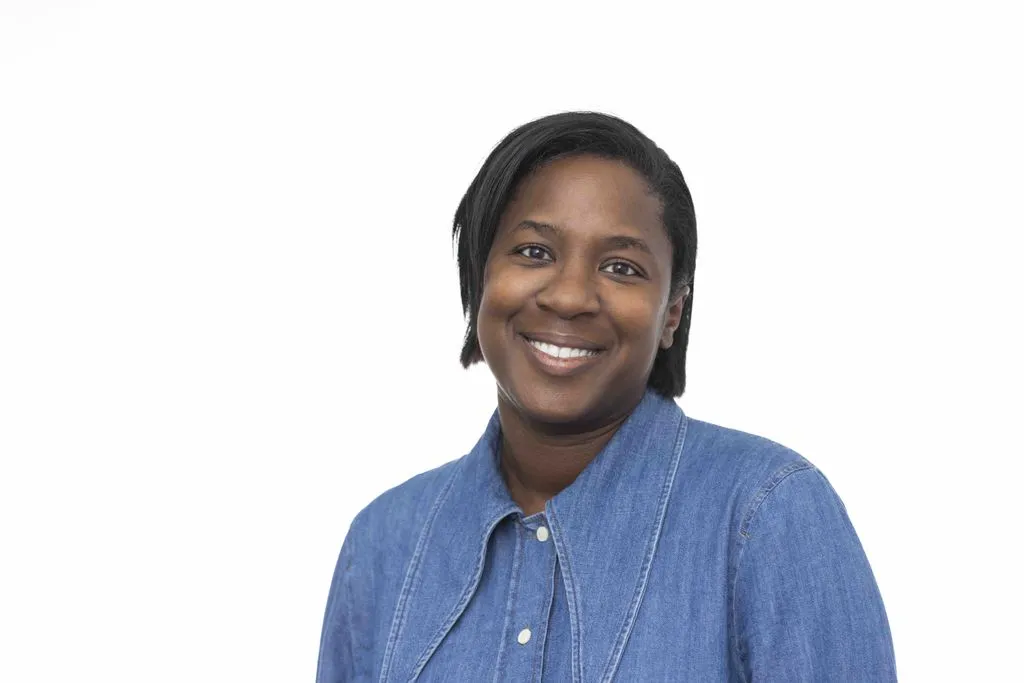
Alexandra Unthank is a New York City-based artist and arts administrator. She is passionate about creating engaging experiences that provide platforms for growth, dialogue, and self-discovery within the arts community. As Director of the Studio Program at the Elizabeth Foundation for the Arts (EFA), she oversees 95 subsidized artist studios in Midtown Manhattan, along with professional development and opportunities for member artists to connect with curators, critics, and audiences.
The EFA Studio Program The Elizabeth Foundation for the Arts (EFA) is launching a new iteration of its SHIFT Residency in partnership with Momus, focused on the productive intersections between artistic practice and critical writing. The six-month program will bring together four New York–based practitioners whose practices move between visual art and art criticism—artists who write, or writers who make art—to explore the ways these disciplines can inform and challenge one another.
The cohort will convene at EFA Studios under the mentorship of Ajay Kurian, a New York–based multidisciplinary artist, writer, and founder of NewCrits. Through studio access, seminars, and conversations with visiting professionals, residents will foster cross-disciplinary exchange and develop new critical frameworks that privilege dialogue and exchange over evaluation, and experimentation over fixed definitions. At its core, the residency creates space for reflection, mutual support, and the collective development of language around artistic and critical practices. Deadline: December 15, 2026 11:59 PM