Artworks

Articles & Reviews

A Story of Immigration, Heritage, and Identity: Invisible Bodies on View at Pennsylvania State University

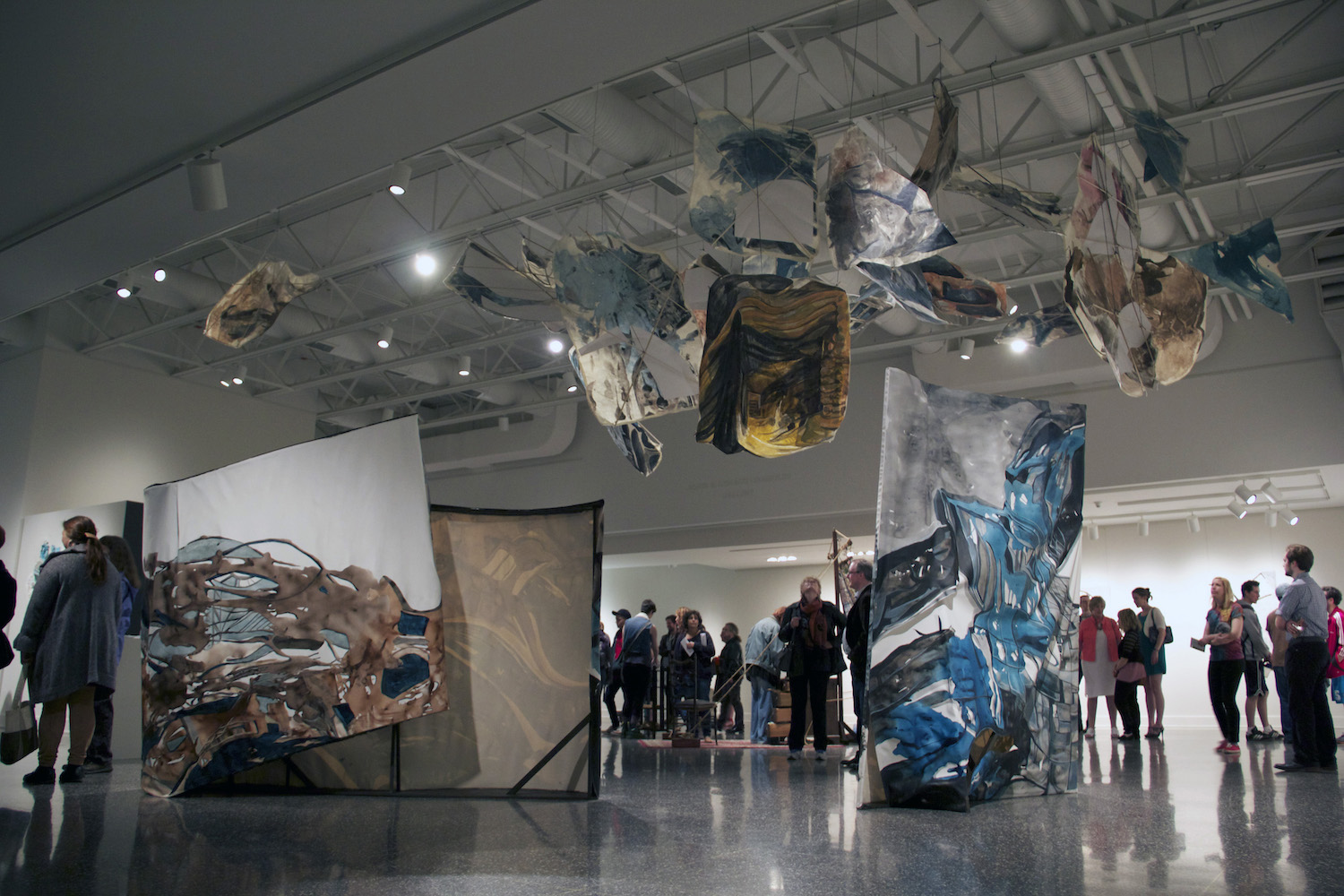
Installation view, Invisible Bodies, at Penn State University (HUB-Robeson Galleries), 2023. Images courtesy of The Border Gallery and HUB-Robeson Galleries

As one approaches “Art Alley,” part of the Hub-Robeson Galleries at Pennsylvania State University, it is the vibrant green walls that first draw one’s attention. Painted green for the “support for an open immigration system, allowing immigrants to contribute to the nation’s labor force, Invisible Bodies: An Exploration of Migrant Labor Through an Artistic Lens, curated by The Border Gallery and Emireth Herrera Valdes, brings together fifteen artists from diverse backgrounds to contemplate labor, immigration, and identity in the United States.

­­Zahra Nazari: Interiors

In Dialogue

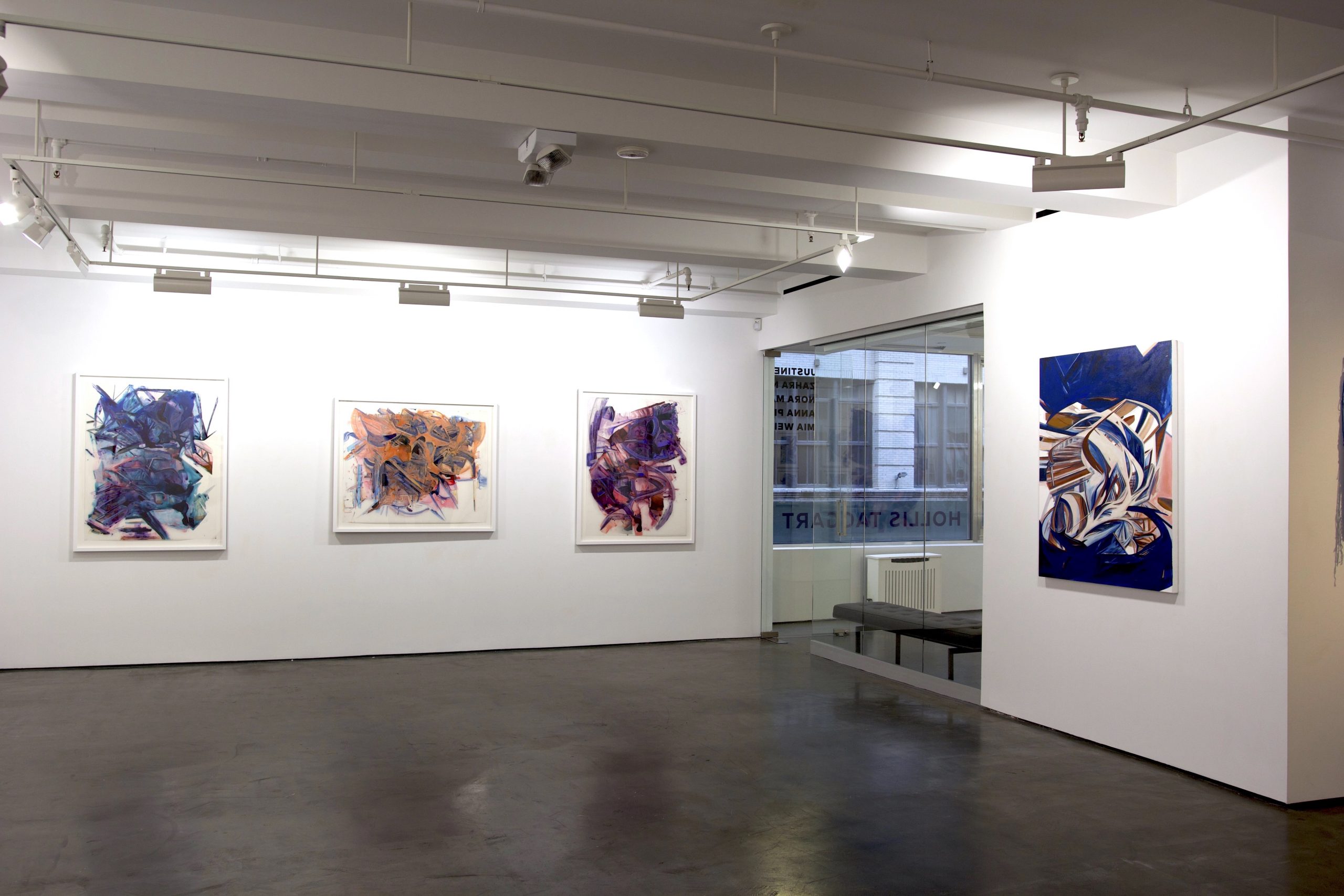
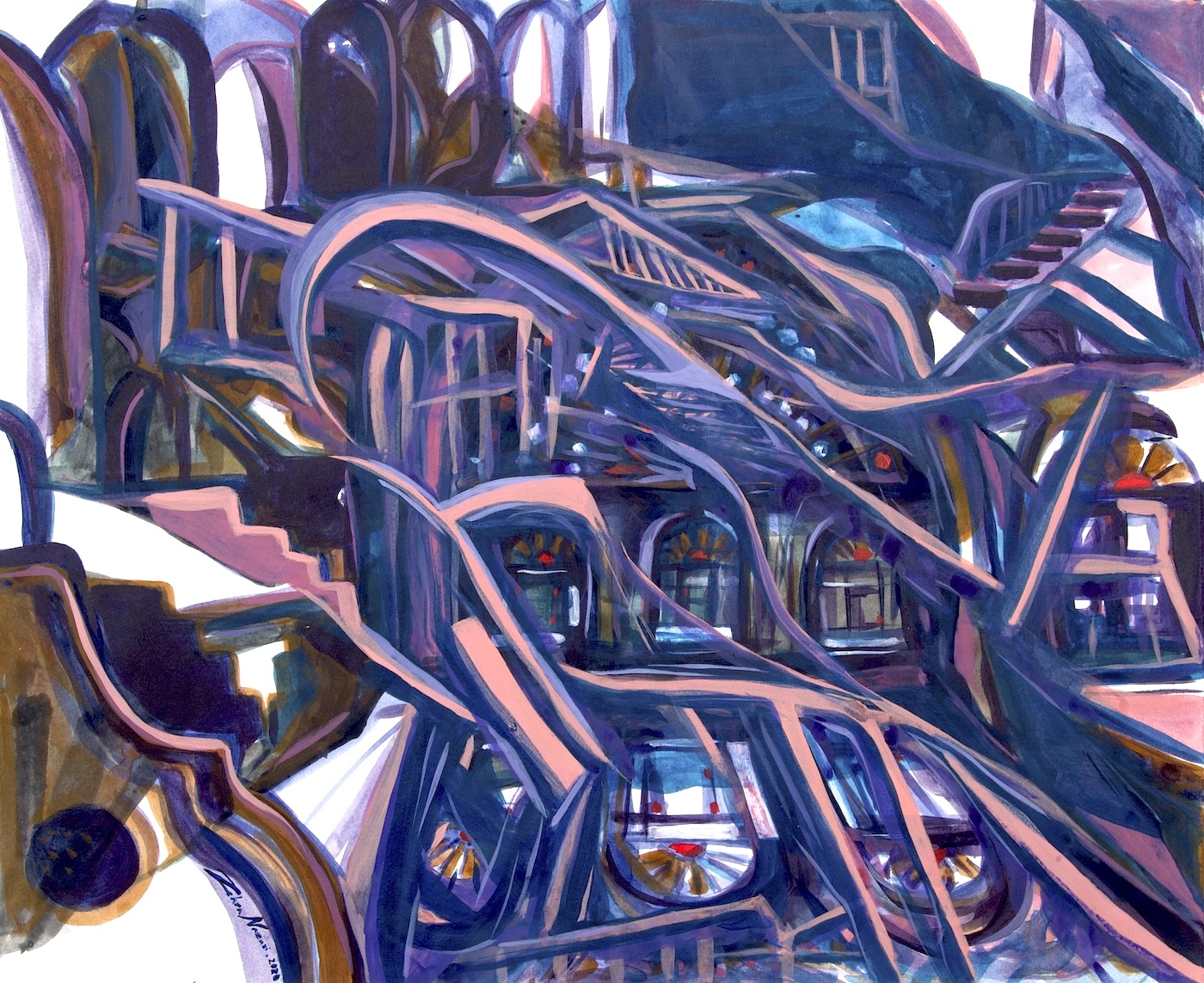
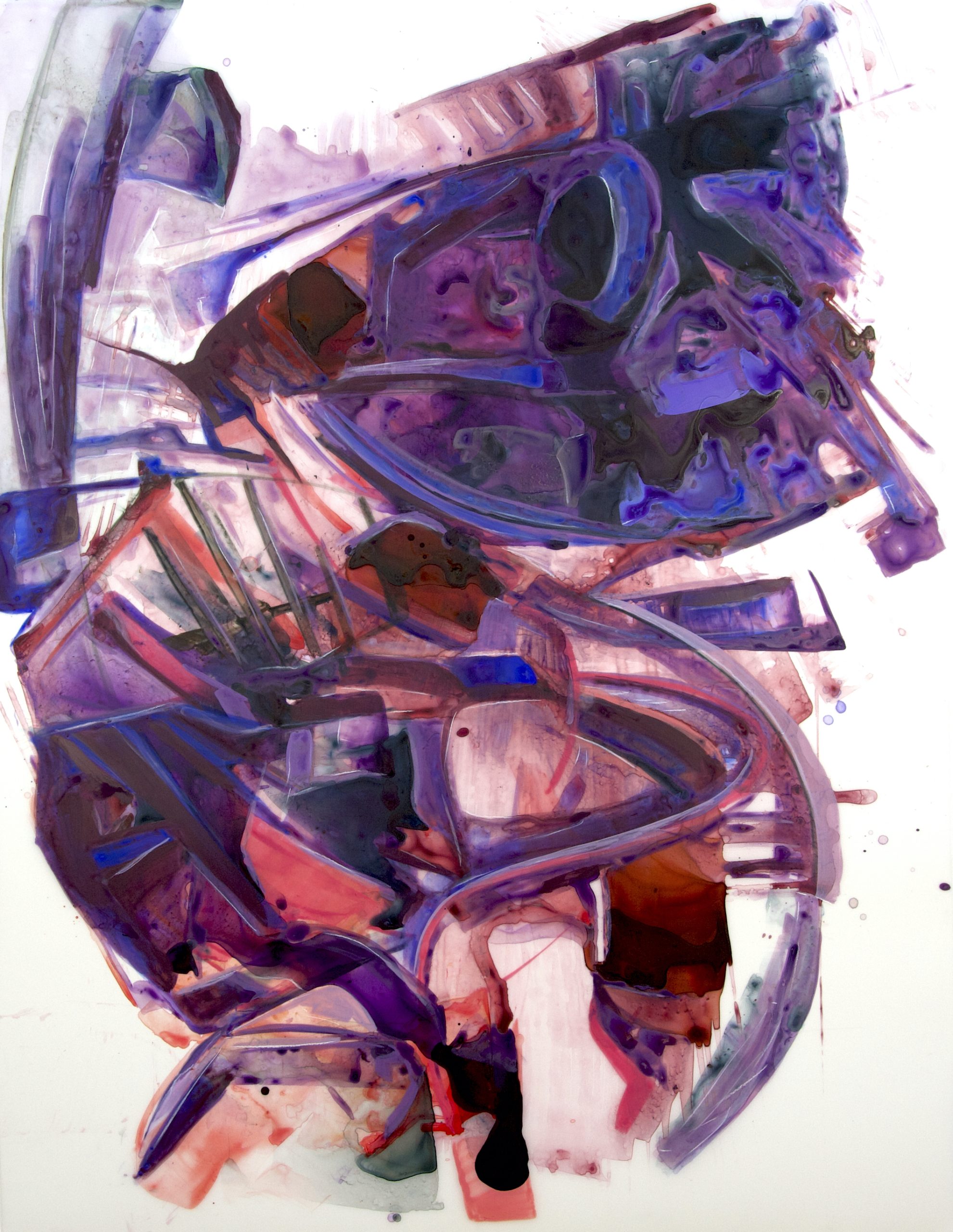
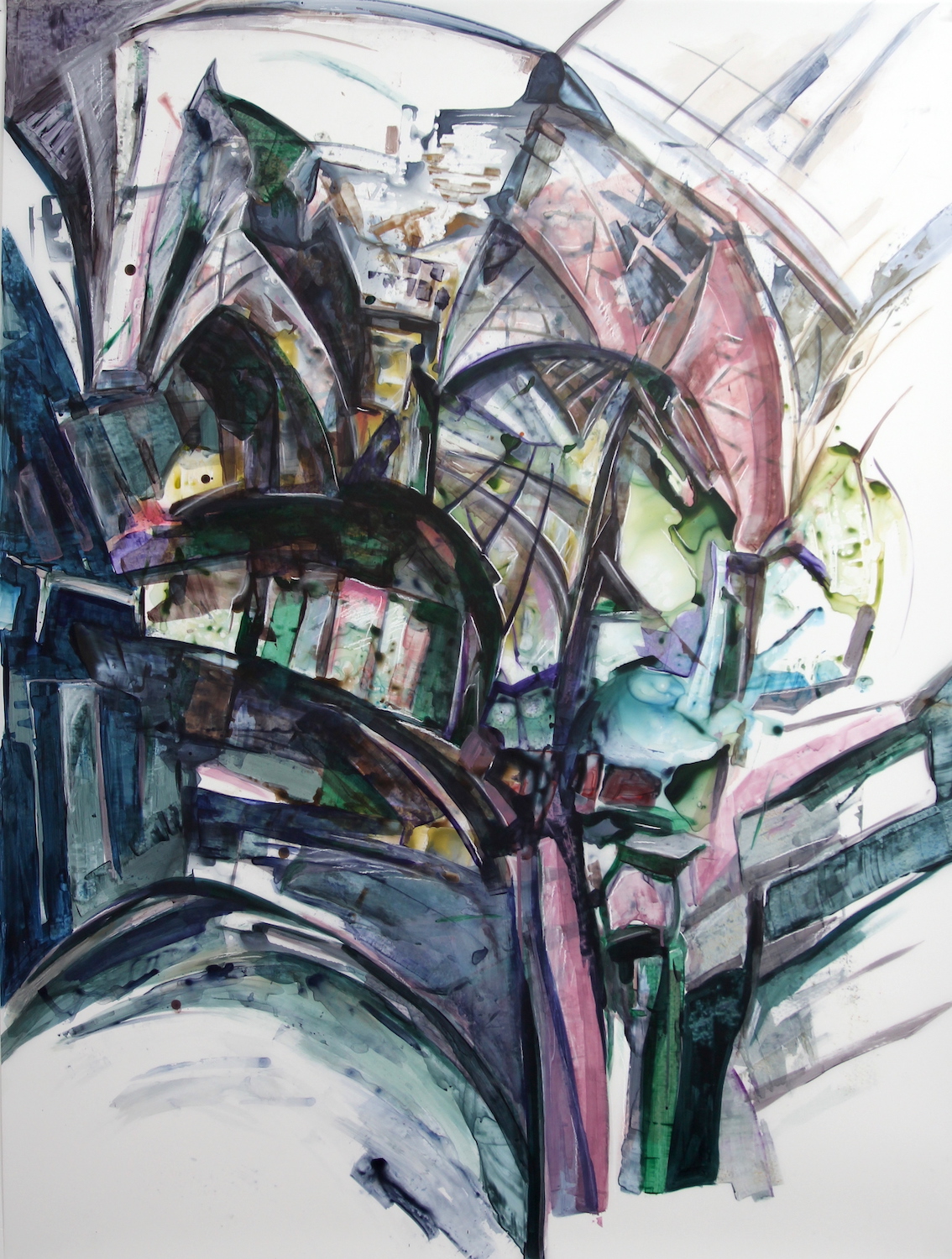
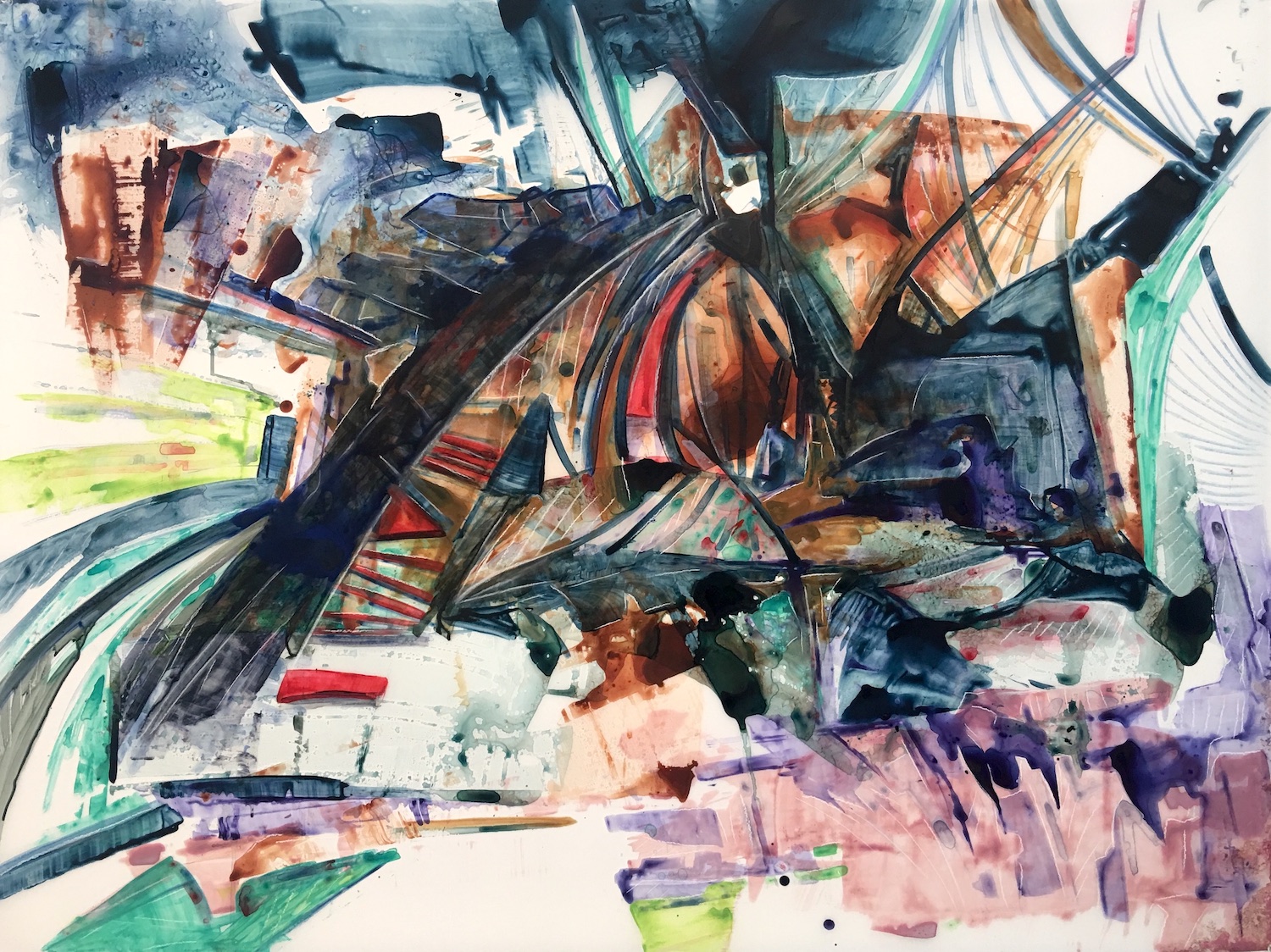
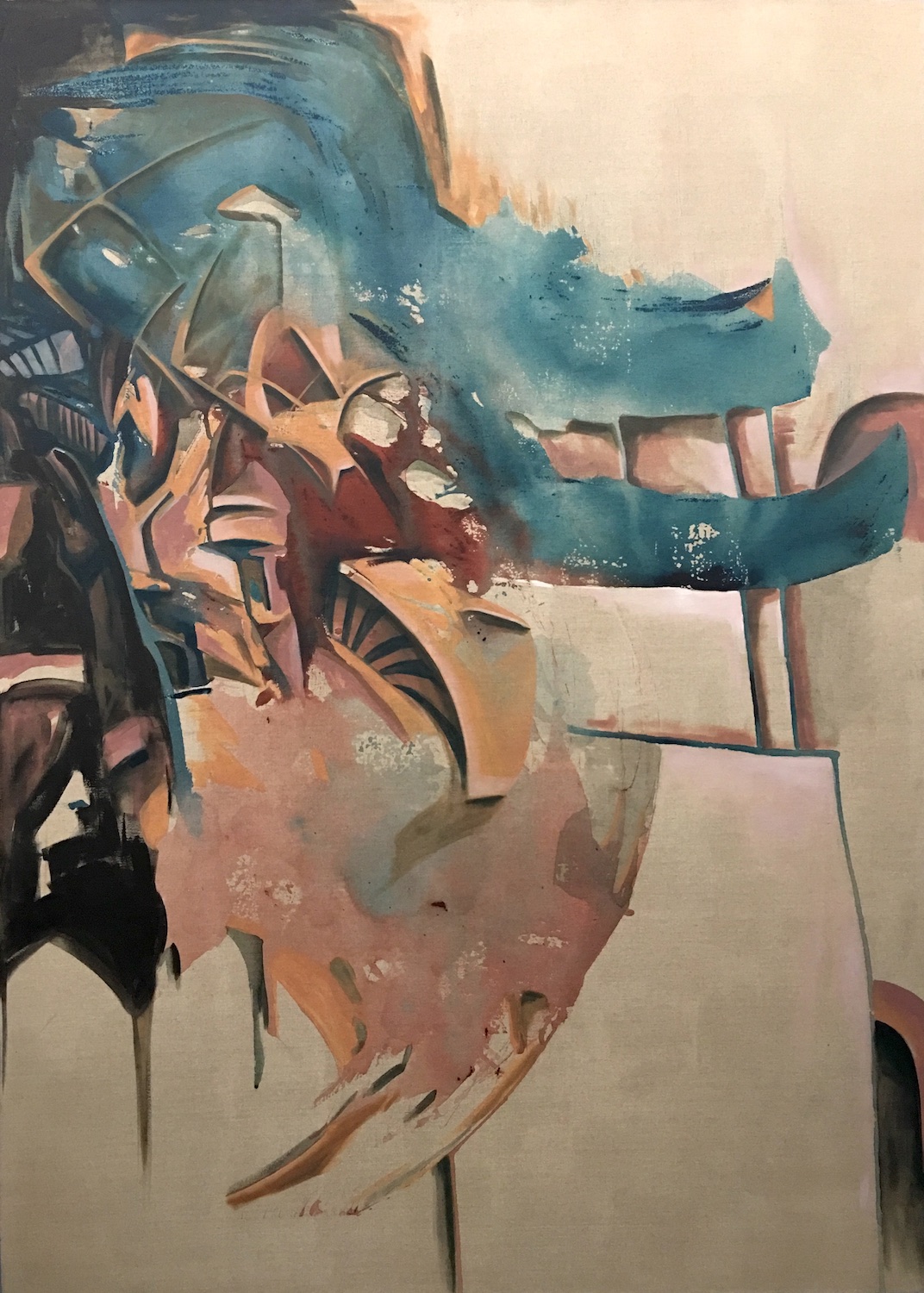
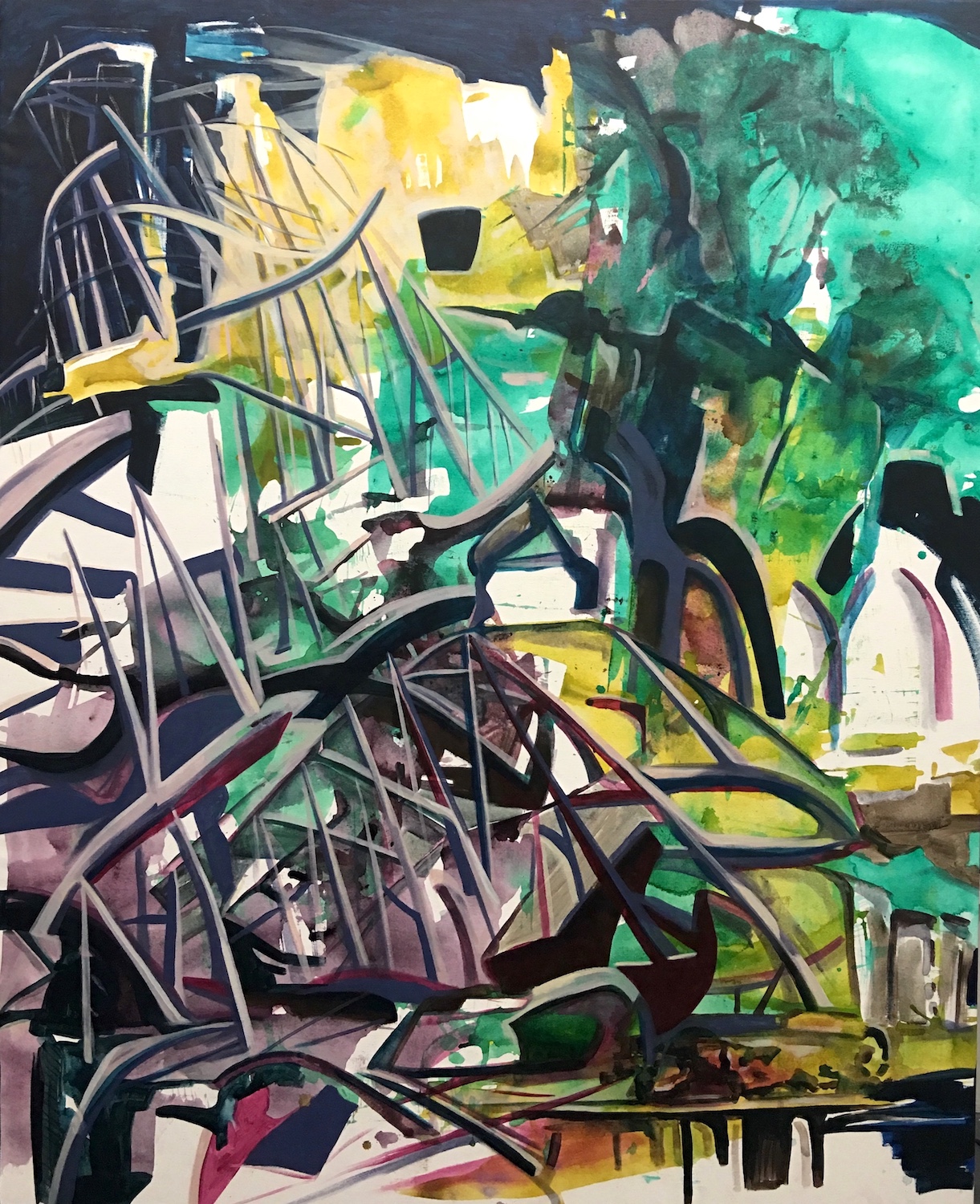
In her Interiors painting series, American Iranian-born painter Zahra Nazari draws on prominent features in classical Persian and Islamic architecture—decorative botanical motifs, arch, and particularly, iwan, the large, vaulted hall semi-enclosed and usually walled on three sides, with one end entirely open. Many scholars believe its origin can be traced back to the Parthian era. While looking at Nazari’s luminous surfaces, it may be interesting to keep in mind the dual role of the Persian arch—it serves both decorative and functional purposes—this richly decorated key aesthetic element in Persian architecture functions not only as an ornament but also as a structural support that provides stability. It is also designed to moderate the amount of sunlight that enters space, especially in iwans or other open spaces. Nazari’s frequent use of Mylar as a surface stirs a play on the notion of external and internal light, and simultaneously, her saturated color palette invokes a hot and arid climate with bright, sunlit days and crisp nights. Repetitive and rhythmical, these motifs coalesce into energetic, translucent, and luminous surfaces, evoking an interior space in flux. Zahra Nazari elaborates on her ideas and process in this interview with Art Spiel.

Zahra Nazari: Metamorphosing Gestures

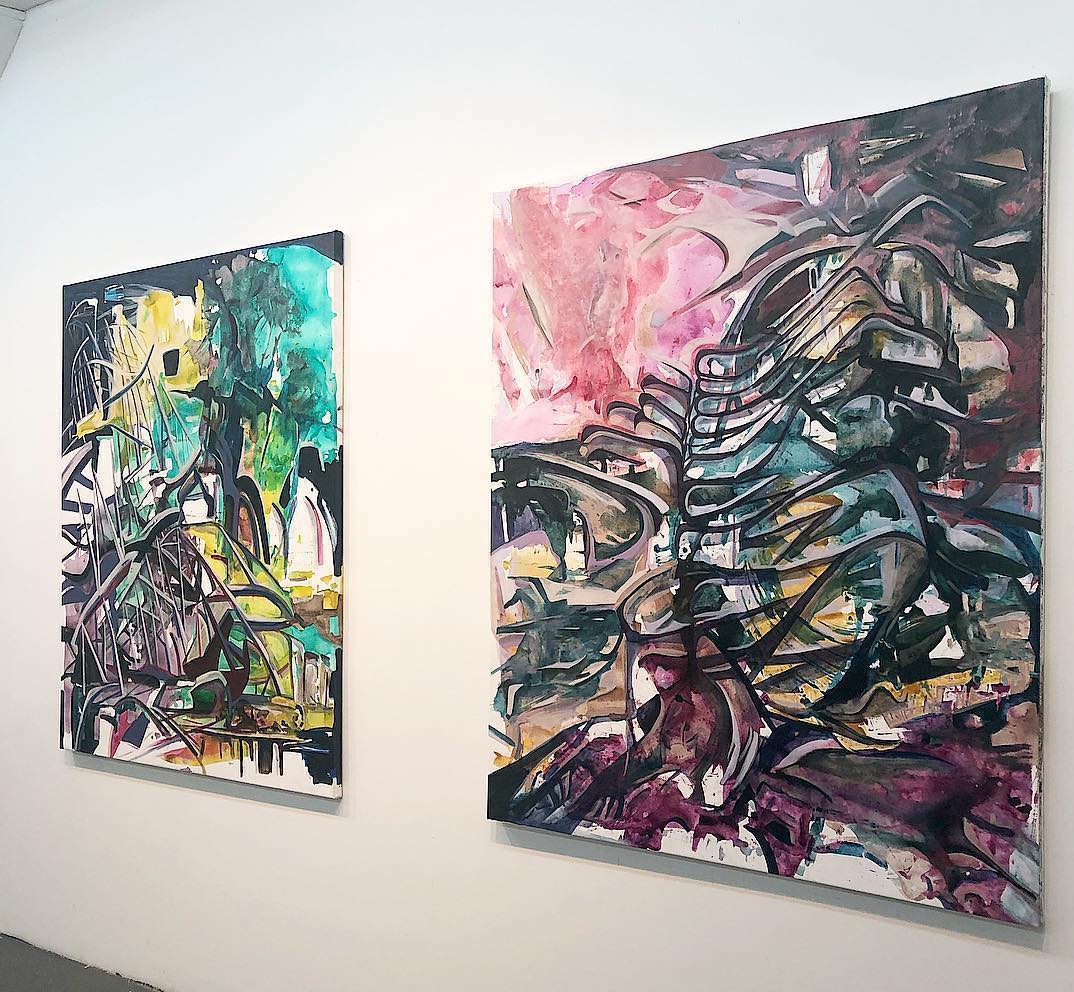
In her lush paintings and complex installations Zahra Nazari draws largely on architecture and her Iranian roots both in terms of cultural heritage and personal experience as an immigrant, while utilizing gestural forms invoking early 20th modernists like Der Blaue Reiter (The Blue Rider) in Munich, or mid century Abstract Expressionists in NYC. This fertile amalgam of cultural cues makes her work current and thought provoking. Zahra Nazari shares with Art Spiel her experience as an artist, her approach to art making and some of her projects.