Artworks

Articles & Reviews

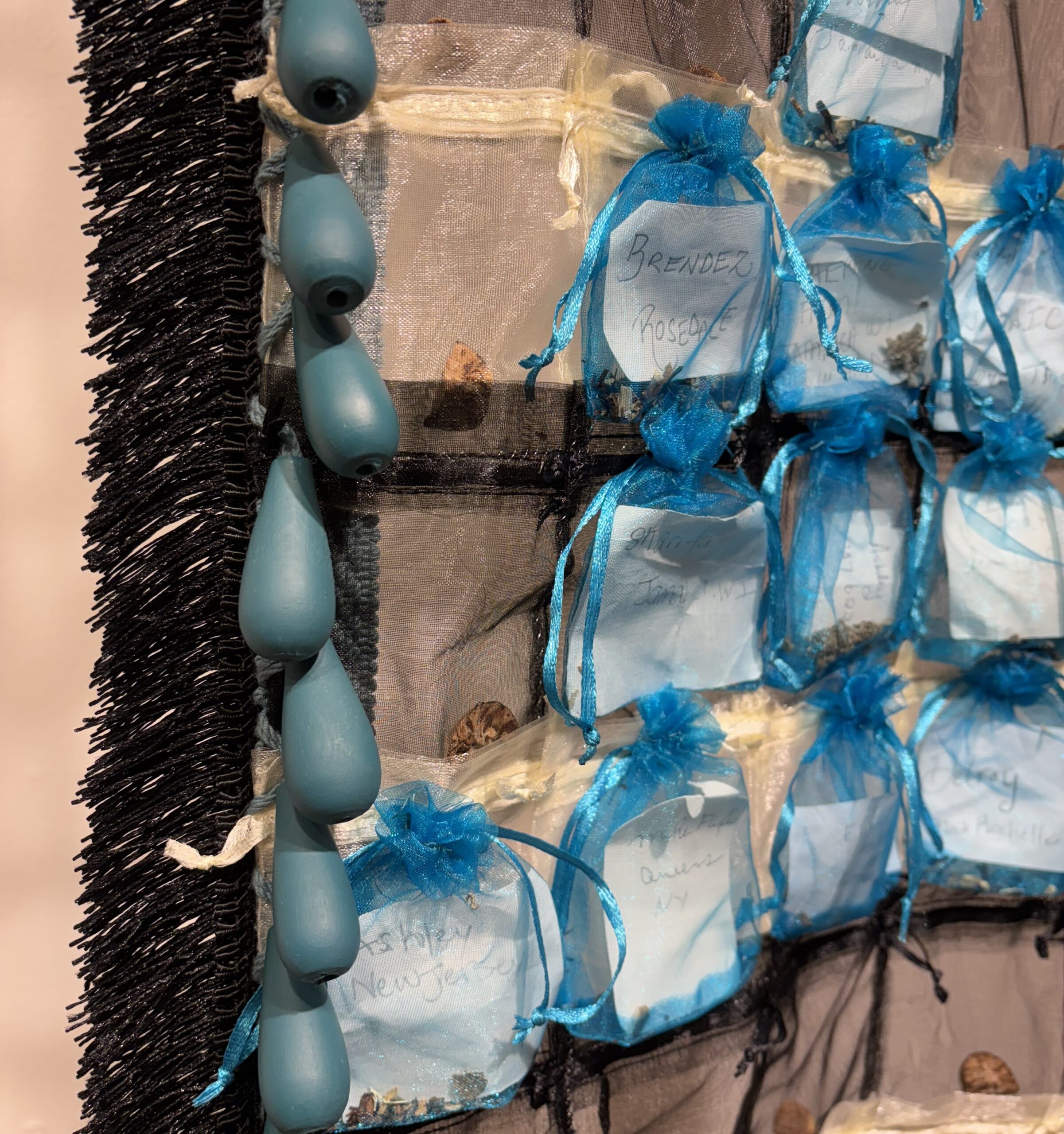
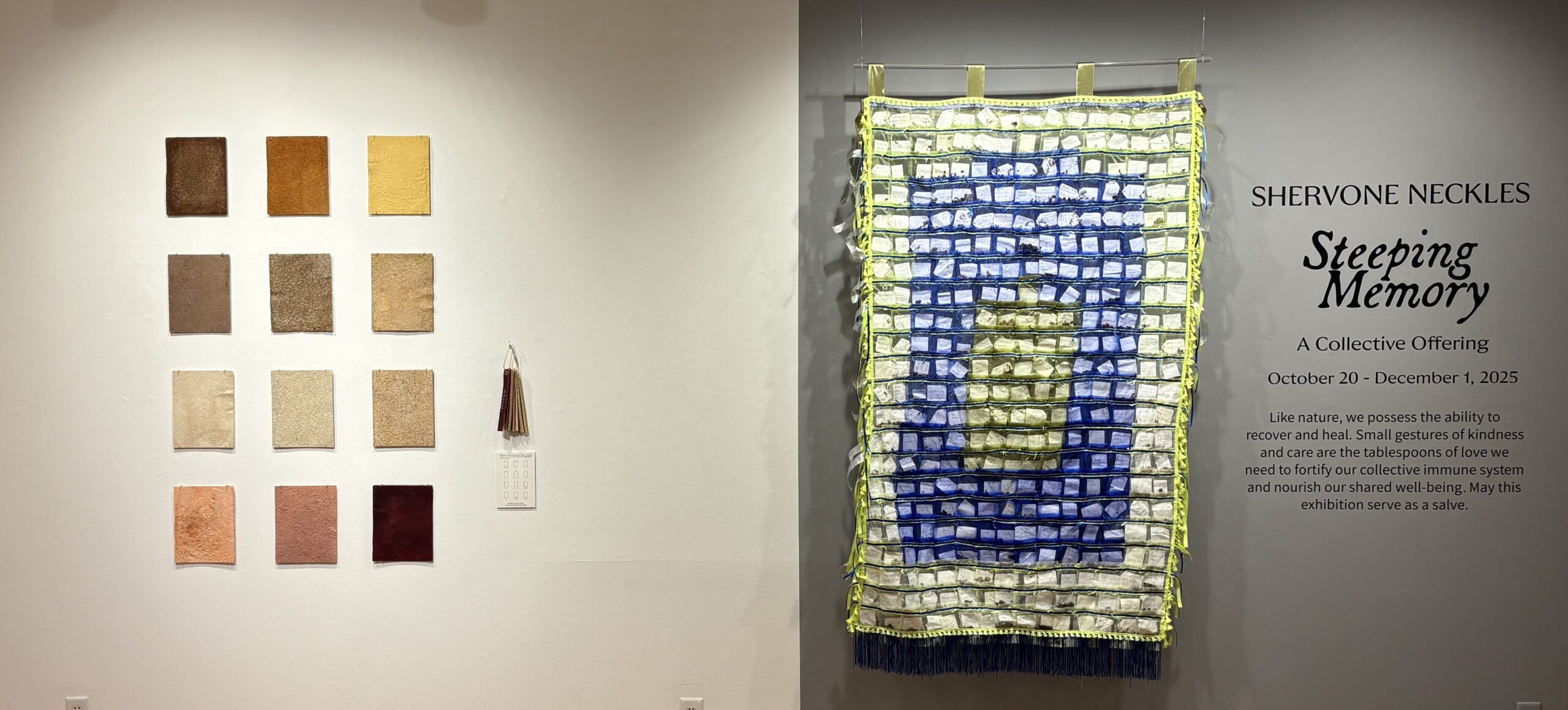
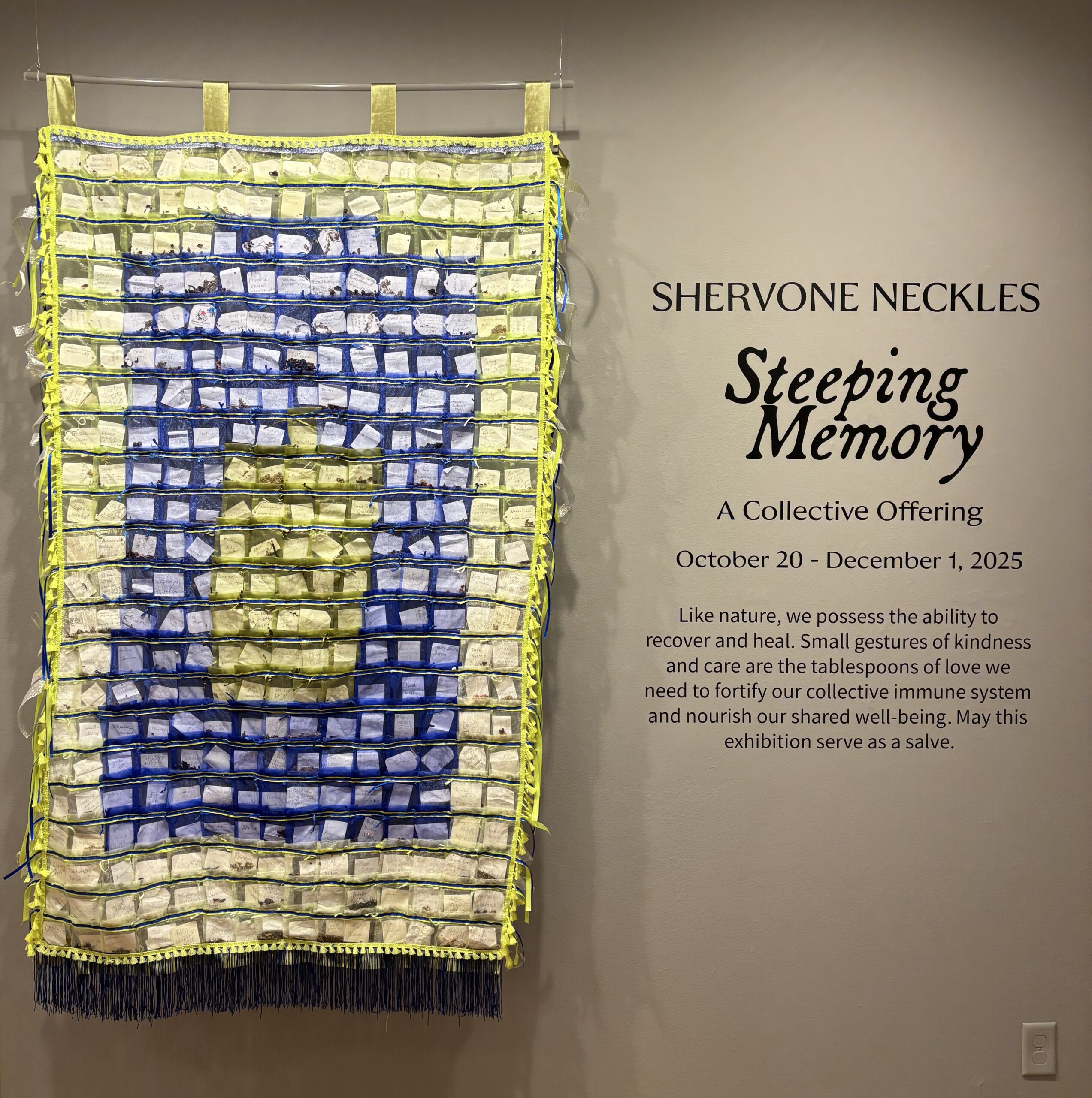
Shervone Neckles: Steeping Memory

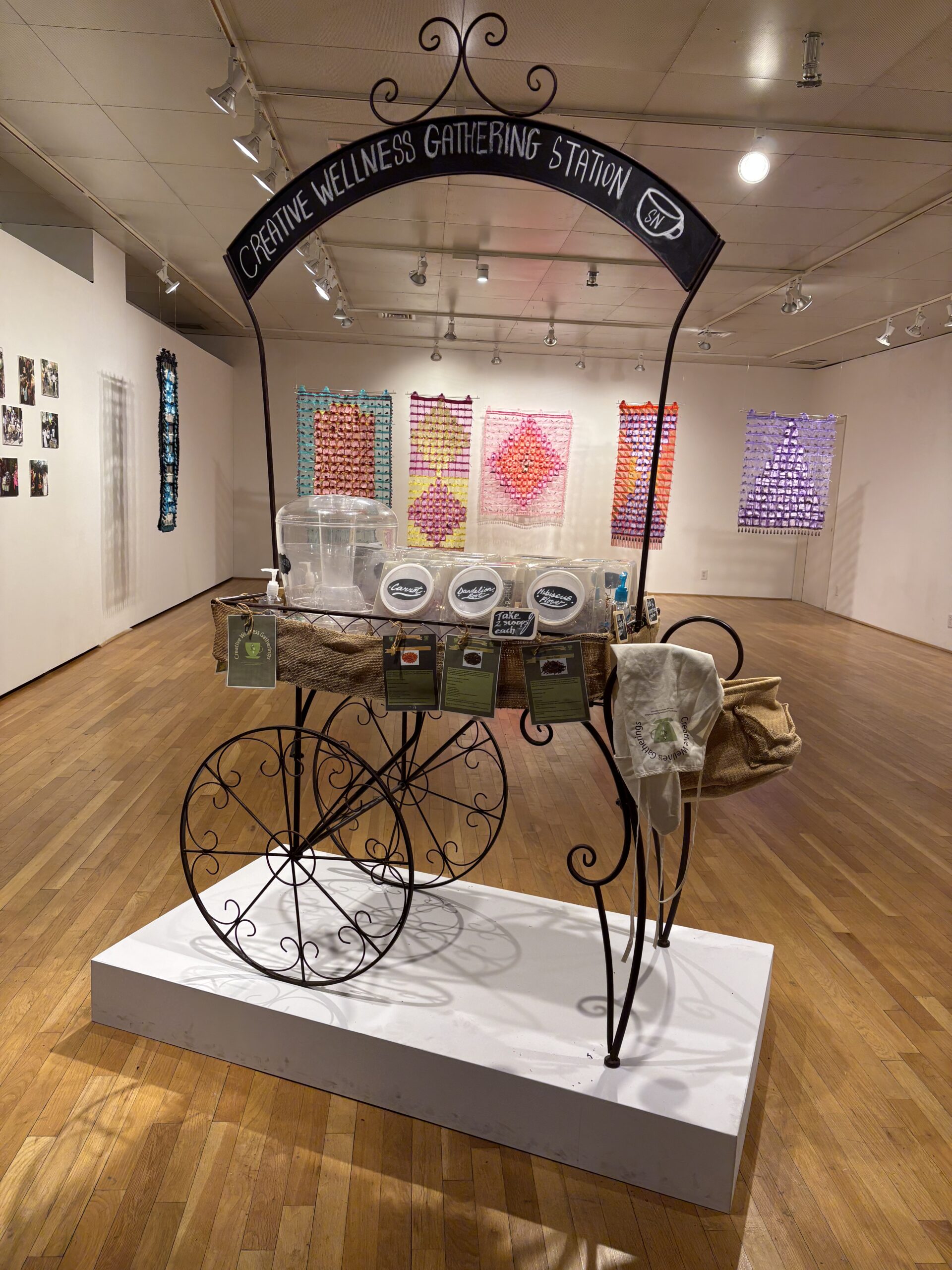
We do rely on art for healing purposes, but art that directly heals often requires a performative component. That is not to say that it delivers results, but there needs to be an interactive element in which the art appears to “give back” to the viewer.  I visited the shrine of St. Anthony in Padua, for me, it was mostly to see the Donatello altarpiece and the Antonio and Tullio Lombardo friezes, but it was impossible to ignore the numerous worshippers at the shrine, their foreheads resting against the saint’s sarcophagus, inserting small pieces of paper with requests for St. Anthony.  For nine years, Shervone Neckles has wheeled her healing cart — the Creative Wellness Gathering Station throughout the five boroughs and dispensed potions to fascinated and grateful onlookers. 

The Agreement: Chromatic Presences – Funky and Formal at Zurcher

I’ll start with a question: does a critic have an obligation to propose a solution to an enigmatic puzzle an exhibition might pose? What has led to this, is reading William Corwin’s catalog essay for The Agreement: Chromatic Presences, in which he ignores recounting the history of sculpture and color—deemed for a very long time to be irreconcilable like fish and cheese. It is now common knowledge, sculpture till the time of the renaissance was largely polychromed, but a neo-classical notion of purity and essentialism came to be imposed upon it to differentiate it qualitatively from painting. As a result, sculpture came to be limited to the colors of its materials—marble, bronze and wood. In the West, this formalism was institutionalized by the Enlightenment’s and was the excepted norm until the mid-20th century, when art’s traditional forms began to morph. Consequently, we must ask if there is a more contemporary issue concerning color and form at the heart of Corwin’s The Agreement: Chromatic Presences, and if so, what might it be?