Artworks

Articles & Reviews

Samira Abbassy: Hybrid Iconography

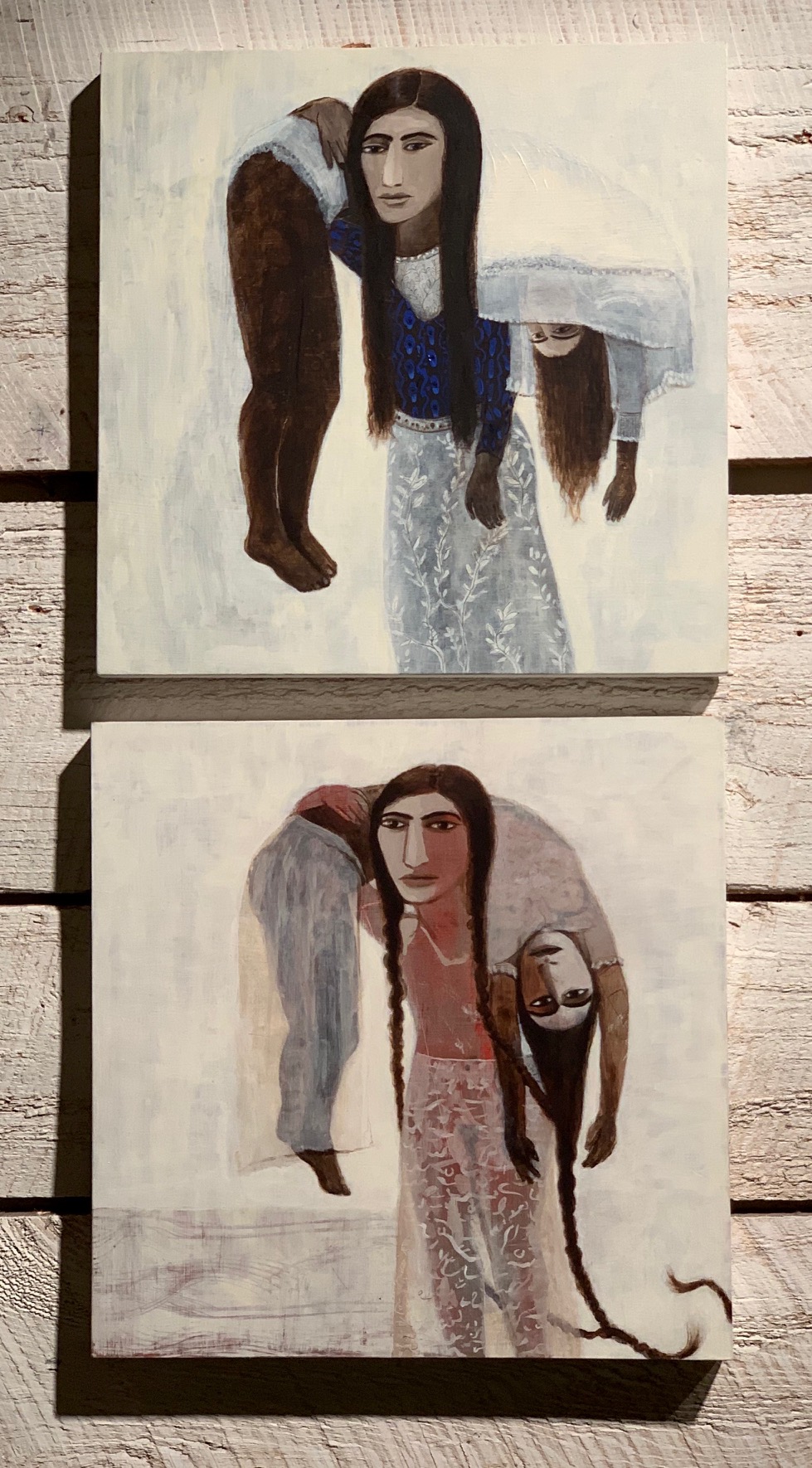
Samira Abbassy’s paintings and drawings portray mysterious iconic figures, primarily female, who inhabit an ambiguous space. While her pictorial world resonates with archetypal imagery from eastern and western cultures, it equally pulsates with an urgent psychological core, creating an invigorating tension which prompts the viewer to search and discover rich layers for meaning.

Re-Orientation at La Esquina Gallery

The group show “Re-Orientations” at La Esquina in NYC features Samira Abbassy, Camille Eskell, Dhanashree Gdiyar, and Sheida Soleimani, 4 US based female artists who bring through figurative representation feminist perspectives rooted in the Near East and South Asia. The co-curators Natasha Stefanovic and Audra Lambert present these distinct feminist voices in context of “Orientalism,” the 1978 seminal and polemic book by renowned scholar Edward W. Said, a must read in Post-Colonial Culture Studies. Ranging formally from painting to embroidery, and thematically from identity to immigration, the images overall depict tragic and at times nostalgic moments rooted in the artists’ cultural background. Underscored with post-colonial sensibility, these intimate narratives humanize and defy the stereotype of what is “oriental.”

Après Coup: Transforming Trauma into Art

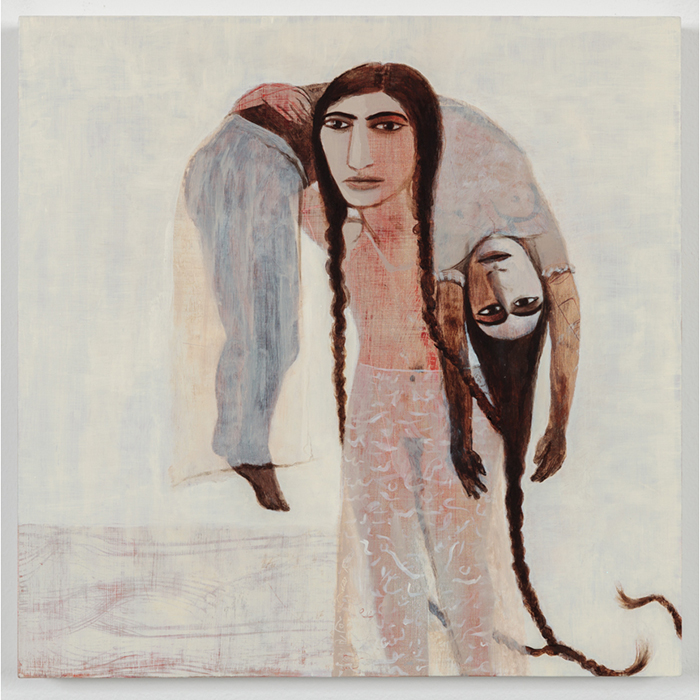
[caption id="attachment_668" align="aligncenter" width="362"] Samira Abbassy, Reincarnated Fears, Oil on Gesso Panel, 48” X 36”, 2016, photo courtesy of JEANETTE MAY photo studio[/caption]

The group exhibition “Après Coup: Transforming Trauma into Art” was conceived in tandem with the conference, Translating Trauma into Art and Literature at the Hewitt gallery in Marymount Manhattan College. Curated by Hallie Cohen, Professor of Art, Director of the Hewitt Gallery, this thought provoking show features work by Samira AbbassySusan Erony, Joumana Jaber, Miriam Katin, jc lenochan,  Lance Letscher, Ruth Liberman, Tyson Robertson, and Stephanie Serpick who come from diverse backgrounds and refer to different adversities, but all share ongoing reflections on trauma – running the gamut from the deeply personal to the philosophical.