Artworks

Articles & Reviews

Hovey Brock: The Invasive Species with Cornell’s Eco Arts

In DIALOGUE

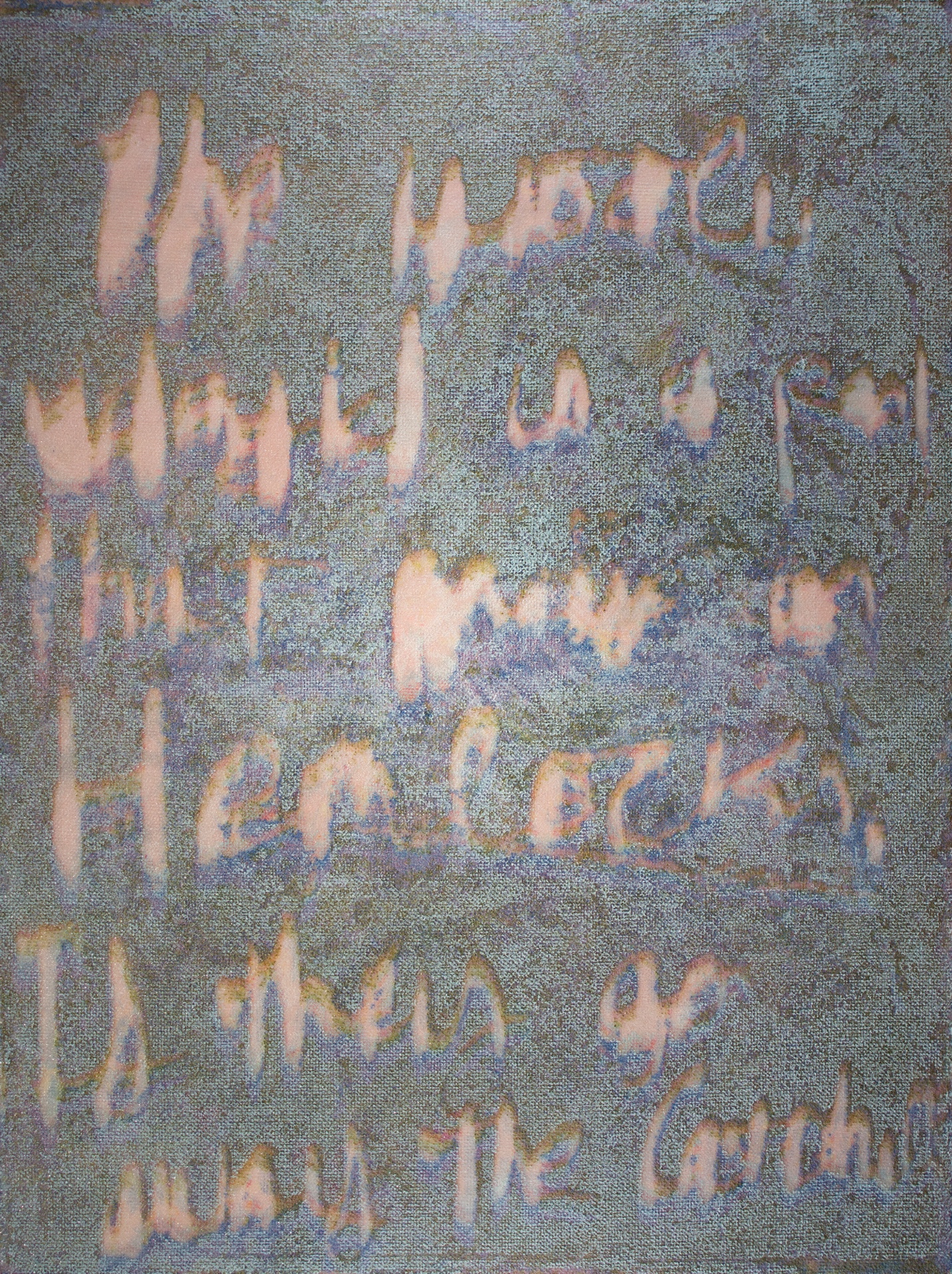
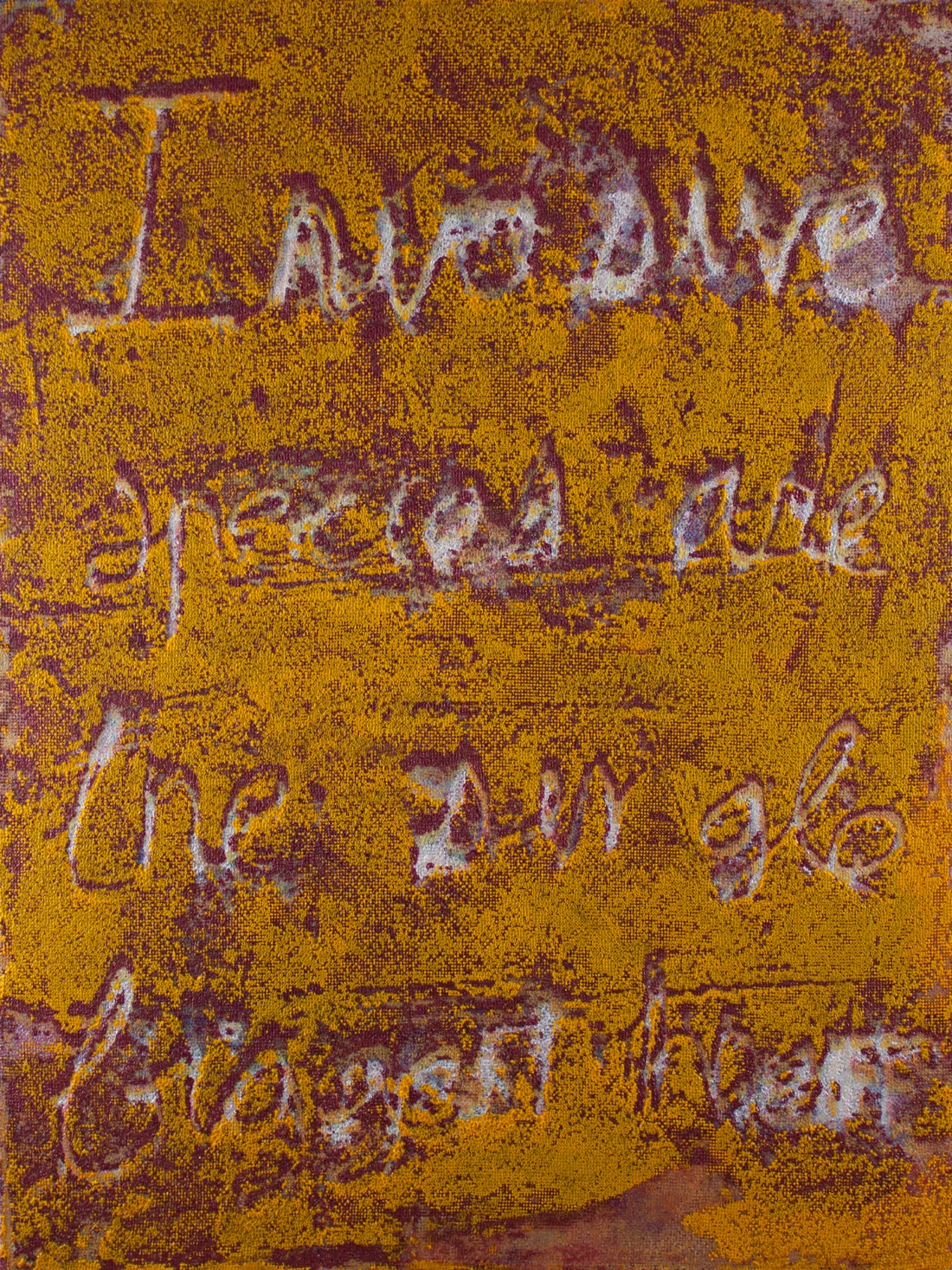
Hovey Brock’s show, The Invasive Species, in collaboration with Cornell’s Eco Arts features a series of paintings that focuses on how the climate crisis in general and invasive species in particular threaten the forests of the Northeast—an outgrowth of his Crazy River project that focused on the climate crisis in the Catskills. The paintings have phrases or questions that have been obsessing Brock for some time.

Hovey Brock-Daniella Dooling-Valerie Hegarty at Catskill Art Space

HOT AIR

Hovey Brock was a member of the Catskill Art Society (CAS) before its rebranding as the Catskill Art Space. Originally a low-key regional arts center, the transformation began under the guidance of Executive Director Sally Wright. In October 2022, Wright inaugurated the new exhibition halls, featuring on-loan installations by Sol Lewitt and James Turrell, signaling CAS’s ambition to bring world-class arts programming to Livingston Manor. This initiative marked a significant milestone in the cultural revival sweeping the entire Catskill region, with CAS playing a pivotal role. “Since so much of my work is about the Catskills, I am thrilled to have this opportunity to show my pieces at CAS, especially in the company of fellow artists Daniella Dooling and Valerie Hegarty,” Brock says.

Crazy River: Umwelt Series Part III

Featured Project

A central theme in my Crazy River project has been highlighting the emotional toll of the climate crisis by putting under a microscope, so to speak, my own feelings about not only the impacts of the crisis but the knowledge that humans’ actions are the cause. This series of three on-line essays, thought experiments if you like, expands that project to change the POV to non-human actors that are inextricably bound with the habitat in the Western Catskills: the black-legged or deer tick (Ixodes scapularis), the white-tail deer (Odocoileus virginianus), and Japanese knotweed (Reynoutria japonica). All three have seen their habitat change dramatically through climate change and human interventions. Using my imagination and research, I try to enter the umwelt of all three species, an impossible task, as Thomas Nagel pointed out in “What Is It LIke to Be a Bat,” for which artistic license may give us the best chance to accomplish. My intentions in doing so fall along three axes: theoretical, aesthetic, and spiritual, dimensions all essential to my own art practice. Part III looks at the umwelt–a term normally applied only to animals whose use in this instance I will explain later–of Japanese knotweed from the perspective of the Vajrayana, or Tantric Buddhism.
Crazy River Umwelt Series: Part II

Featured Project

A central theme in my Crazy River project has been highlighting the emotional toll of the climate crisis by putting under a microscope, so to speak, my own feelings about not only the impacts of the crisis but the knowledge that humans’ actions are the cause. This series of three on-line essays, thought experiments if you like, expands that project to change the POV to non-human actors that are inextricably bound with the habitat in the Western Catskills: the black-legged or deer tick (Ixodes scapularis), the white-tail deer (Odocoileus virginianus), and Japanese knotweed (Reynoutria japonica). All three have seen their habitat change dramatically through climate change and human interventions. Using my imagination and research, I try to enter the umwelt of all three species, an impossible task, as Thomas Nagel pointed out in “What Is It LIke to Be a Bat,” for which artistic license may give us the best chance to accomplish. My intentions in doing so fall along three axes: theoretical, aesthetic, and spiritual, dimensions all essential to my own art practice. What follows is a look at the umwelt of white-tailed deer from the perspective of aesthetics.

Crazy River Umwelt Series Part I

Featured Project

A central theme in my Crazy River project has been highlighting the emotional toll of the climate crisis by putting under a microscope, so to speak, my own feelings about not only the impacts of the crisis but the knowledge that humans’ actions are the cause. This series of three on-line essays, thought experiments if you like, expands that project to change the POV to non-human actors that are inextricably bound with the habitat in the Western Catskills: the black-legged or deer tick (Ixodes scapularis), the white-tail deer (Odocoileus virginianus), and Japanese knotweed (Reynoutria japonica). All three have seen their habitat change dramatically through climate change and human interventions. Using my imagination and research, I try to enter the umwelt of all three species, an impossible task, as Thomas Nagel pointed out in “What Is It LIke to Be a Bat,” for which artistic license may give us the best chance to accomplish. My intentions in doing so fall along three axes: theoretical, aesthetic, and spiritual, dimensions all essential to my own art practice. What follows is a look at the umwelt of black-legged ticks from the perspective of theory.

What’s Your Golden Spike?

What’s Your Golden Spike is the third in a series of three interrelated experimental pieces that combine graphics, text, and hyperlinks based on themes coming out of my Crazy River project, for which I gave an interview on this website on May 16th. Crazy River takes a wide-angle view of the climate crisis, ranging from my own climate grief to an in-depth focus on the many causes and effects of rapid environmental changes on the West Branch of the Neversink in Ulster County. In this piece I investigate the idea of the Catskills as a region, and an incongruous bundle of contradictions and coincidences. The Lands of Kats Kill weaves three timelines together: the geologic, the historical, and the personal. This structure repeats throughout my Crazy River project. The previous piece in this series, Invaders, took apart the idea of invasive species. The following will explore the concept of the Golden Spike in stratigraphy as fact and metaphor.

The Lands of Kats Kill

The Lands of Kats Kill is the second in a series of three interrelated experimental pieces that combine graphics, text, and hyperlinks based on themes coming out of my Crazy River project, for which I gave an interview on this website on May 16th. Crazy River takes a wide-angle view of the climate crisis, ranging from my own climate grief to an in-depth focus on the many causes and effects of rapid environmental changes on the West Branch of the Neversink in Ulster County. In this piece I investigate the idea of the Catskills as a region, and an incongruous bundle of contradictions and coincidences. The Lands of Kats Kill weaves three timelines together: the geologic, the historical, and the personal. This structure repeats throughout my Crazy River project. The previous piece in this series, Invaders, took apart the idea of invasive species. The following will explore the concept of the Golden Spike in stratigraphy as fact and metaphor.

Invaders

Invaders is the first in a series of three interrelated experimental pieces that combine graphics, text, and hyperlinks based on themes coming out of my Crazy River project, for which I gave an interview on this website on May 16th. Invaders plays with the idea of invasive species, which has to be the misnomer of the century. So-called invasive species do reduce biodiversity in their new ecosystems but they are all the result of human intervention. International trade has been the main agent for transport to new locations, but climate change has also forced many species to move beyond their original habitat in order to survive. Every invasive species does what all living creatures do, including our own: take advantage of opportunities. Invaders includes my Crazy River paintings, photographs, and a list of 100 species from an on-line source: The Global Invasive Species Database, produced by the Invasive Species Specialist Group, a global network of scientists dedicated to identifying and tracking invasives.

Hovey Brock: Crazy River

In Dialogue with Hovey Brock

Hovey Brock’s current paintings are part of Crazy River, a larger project he has been developing since 2017. The paintings are based on his life-long relationship to the West Branch of the Neversink, which runs between Ulster and Sullivan counties in New York state. The project also includes text and videos, drawing on the artist’s experience and stories about the West Branch and the western Catskill mountains handed down through his family.